

Environmental Benefits of Choosing German Kitchen Cabinets
Selecting German kitchen cabinets for your home is a decision that marries design excellence with environmental stewardship. These cabinets stand out not just for their aesthetic appeal but for their commitment to sustainability. German manufacturers prioritize using eco-friendly materials and processes, reflecting a deep-rooted respect for the environment. This choice supports a healthier planet by minimizing the depletion of resources and reducing the carbon footprint associated with kitchen renovations.
German kitchen cabinets are unparalleled in durability, making them a sustainable investment for any homeowner. Crafted to withstand the test of time, these cabinets resist wear and tear, meaning they don’t need to be replaced as frequently as less sturdy alternatives. This longevity is a cornerstone of environmental conservation, as it reduces waste and the demand for new materials. As a result, homeowners can enjoy a timeless kitchen design that aligns with sustainable living principles.
Energy efficiency in production is another hallmark of German kitchen cabinetry. Manufacturers in Germany often utilize renewable energy sources and adopt advanced manufacturing processes designed to have minimal environmental impact. This approach not only lowers the ecological footprint of the cabinets themselves but also sets a benchmark for industry practices worldwide.
Homeowners who choose these cabinets are, therefore, contributing to a more significant movement towards sustainability in the home improvement sector.
Low-VOC materials in German kitchen cabinets ensure your home remains safe and healthy. Volatile Organic Compounds (VOCs) are known for their adverse effects on indoor air quality and, by extension, on human health. By selecting cabinets that minimize the use of these compounds, homeowners are investing in the well-being of their families.
This choice underscores the importance of considering health and environmental impact in home renovations, a principle gaining traction among conscious consumers.
Key Takeaways:
- Superior Durability and Longevity: German kitchen cabinets, especially from Bauformat, are built with precision engineering and high-quality materials, ensuring they last longer and reduce the need for replacements. This durability contributes to a more sustainable and eco-friendly home environment.
- Less Waste: The longevity of these cabinets means less material turnover, resulting in significant waste reduction. German kitchen designs use durable materials and construction techniques to ensure cabinets withstand daily use, thus lowering environmental impact.
- Bauformat’s Commitment to Quality: Emphasizing lasting quality and sustainability, Bauformat uses eco-conscious manufacturing processes and high-quality materials, making its cabinetry a testament to elegance and durability.
- Sustainable Materials and Manufacturing: The choice of German kitchen cabinets signifies a dedication to excellence and environmental responsibility. They utilize eco-friendly materials and energy-efficient production methods.
- Energy Efficient Manufacturing: German cabinet producers, including Bauformat, leverage renewable energy sources and advanced technologies to minimize carbon footprint, aligning with eco-friendly practices.
- Reduction in Carbon Footprint: Energy-saving production techniques lead to a lower carbon footprint, with Bauformat leading the charge through innovative manufacturing that doesn’t compromise design or quality.
- Role of Bauformat in Eco-Friendly Living: Bauformat cabinets offer a modern look and are designed with efficiency and sustainability at their core, demonstrating the brand’s commitment to green living.
- Innovation in Eco-Friendly Kitchen Solutions: With a focus on innovative storage solutions and energy-saving appliances, Bauformat exemplifies the integration of style and functionality in promoting an environmentally friendly lifestyle.
- Certifications and Environmental Standards: Bauformat adheres to international eco-standards, ensuring their products meet rigorous benchmarks for environmental friendliness and sustainability.
- Making the Right Choice for Your Home and the Environment: Selecting German kitchen cabinets, particularly from Bauformat, reflects a commitment to sustainability, enhancing your home’s environmental friendliness while contributing to healthier living spaces.

Superior Durability and Longevity of German kitchen Cabinets
German kitchens epitomize superior durability and longevity, making them a prime choice for eco-conscious homeowners. Renowned for their use of high-quality materials and meticulous engineering, German kitchens ensure that every cabinet, drawer, and hinge is robust and long-lasting. This level of craftsmanship furnishes homes with a sleek, modern aesthetic and significantly diminishes the frequency of replacements and repairs, promoting a more sustainable household.
Additionally, incorporating energy-efficient appliances and intelligent storage solutions further bolsters the longevity of these kitchens. Appliances designed with German precision enhance durability and are perfectly complemented by cabinetry engineered to withstand daily usage, thus extending the overall lifespan of the kitchen setup. Furthermore, innovative storage features such as pull-out drawers optimize space utilization and reduce clutter, which helps maintain the structural integrity of the cabinetry for extended periods.
Integrating intelligent technology and using sustainable materials like recycled wood is central to German kitchen design. These elements streamline kitchen functionality and align with eco-friendly principles, showcasing a dedication to minimizing environmental impact. Adopting minimalist design trends, characterized by clean lines and high-quality materials like quartz worktops, ensures the kitchen’s aesthetic remains timeless and decreases the likelihood of future renovations.
How Durability Contributes to Less Waste
The principle that durability leads to less waste is at the heart of sustainable living. In the context of German kitchen design, this translates to fewer resources being consumed in the kitchen’s life.
The longevity of German cabinetry means that kitchen materials do not need to be replaced as frequently, significantly reducing the amount of waste generated and the demand for new materials.
With sustainability in mind, German kitchen specialists prioritize materials and construction techniques resistant to wear and tear, ensuring that cabinetry and kitchen appliances can endure the rigours of daily use without succumbing to damage.
Bauformat’s Commitment to Lasting Quality
Bauformat, a leader in German kitchen cabinetry, exemplifies the commitment to lasting quality and sustainability. This brand sets itself apart by using high-quality materials and eco-conscious manufacturing processes, ensuring that every piece of cabinetry adds elegance to the home and stands the test of time.
Bauformat’s dedication to sustainability and quality standards means homeowners can enjoy a new, luxurious, sustainable kitchen. It reflects a deep commitment to eco-friendly practices and innovative storage solutions that seamlessly blend into the rest of your home, creating a kitchen that works for your home and the planet.

Sustainable Materials and Manufacturing Processes
Selecting German kitchen cabinets highlights a dedication to excellence in design and a deep concern for the environment. This choice is deeply rooted in the utilization of eco-friendly materials, demonstrating a commitment not only to the aesthetic and functional desires of homeowners but also to sustainable living practices. These materials, which include responsibly sourced wood and recycled composites, form the basis of the German design philosophy. Such choices significantly diminish the ecological footprint of each kitchen, aligning with the values of those who prioritize eco-conscious living alongside superior design and quality.
The production methods behind German kitchen cabinets are notable for their efficiency and innovation. German brands employ advanced technology to ensure that the manufacturing process is energy-efficient and produces minimal waste. This comprehensive approach to kitchen creation, which incorporates smart appliances and smart storage solutions, simplifies kitchen use and enhances the home’s overall energy efficiency. These methods reflect a broader German dedication to environmental responsibility and cutting-edge innovation.
Additionally, the visual appeal of German kitchen cabinets, marked by seamless designs and the inclusion of top-quality German appliances, fits perfectly with modern home interiors. The ideal German kitchen combines aesthetics and functionality, offering intelligent storage solutions that maximize kitchen space without compromising style.
This creates an environment that transcends cooking, embodying the modern aesthetic sought after by homeowners.

Use of Eco-friendly Materials
German kitchens exemplify sustainability through their commitment to eco-friendly materials, making them an ideal choice for environmentally conscious consumers. Every component, from cabinets to finishes, is selected for its durability, aesthetic appeal, and low environmental impact.
The selection of materials like recycled metals, sustainable woods, and non-toxic finishes upholds the highest quality standards while actively reducing ecological harm. This conscious material choice highlights the environmental stewardship integral to German kitchen design, positioning these kitchens as top options for those prioritizing sustainability.
Bauformat’s Approach to Sustainability in Manufacturing
Bauformat’s approach to sustainability sets a benchmark in the kitchen manufacturing industry. Embracing renewable energy sources such as solar and wind, the company ensures that producing its luxury kitchen cabinets has minimal environmental impact. By integrating resource optimization techniques, Bauformat not only reduces waste but also maximizes efficiency in material usage. This dedication to environmental stewardship is evident in their choice of materials, favouring sustainably sourced wood and recycled materials whenever possible. These practices highlight the brand’s commitment to a sustainable future, making a Bauformat kitchen a symbol of luxury and eco-consciousness.
Choosing German kitchen cabinets, specifically from Bauformat, transcends mere aesthetic appeal. It embodies a commitment to environmental responsibility. The company’s stringent sustainability protocols extend to its supply chain, ensuring that all components contribute to a lower carbon footprint. For instance, using low-emission glues and varnishes in their manufacturing process significantly reduces VOC emissions, enhancing indoor air quality for consumers. This holistic approach to sustainability positions Bauformat as a leader in eco-friendly manufacturing and reassures customers of their investment in a product that champions planet-friendly practices.
Investing in a Bauformat kitchen means more than owning luxury cabinets; it signifies support for a greener planet. The brand’s innovative use of energy-efficient production technologies and sustainable materials sets a new standard in the industry. Bauformat’s commitment to minimizing environmental impact while maintaining high-quality design demonstrates that luxury and sustainability can go hand in hand. As consumers become more environmentally conscious, choosing a kitchen that reflects these values becomes a powerful statement. Bauformat’s approach is a testament to the sustainable innovation thriving within the German manufacturing sector, offering a compelling reason to choose German kitchen cabinets for their environmental benefits.
Energy Efficient Manufacturing
German kitchen cabinet production epitomizes energy-efficient manufacturing within the kitchen furnishing industry. Renowned for their eco-friendly practices, these manufacturers demonstrate a profound commitment to environmental preservation while adhering to the highest quality standards. The hallmark of German engineering, especially in kitchen cabinet manufacturing, lies in integrating cutting-edge technologies designed to minimize the environmental impact of production processes.
Key Features of German Kitchen Cabinet Production:
- Renewable Energy Utilization: Many German kitchen cabinet manufacturers harness solar, wind, and hydroelectric power. This strategic choice substantially reduces their dependence on fossil fuels and mitigates greenhouse gas emissions.
- Sustainable Design and Construction: German kitchen cabinets’ aesthetic and functional design reflects a meticulous emphasis on space efficiency and minimal environmental footprint. This approach is central to German craftsmanship’s ethos, which prizes modern aesthetics and operational efficiency.
- Smart Storage Solutions: German kitchens have innovative storage options that enhance the space’s usability and sustainability. These features are designed to optimize kitchen efficiency, reducing the need for additional appliances and consequently lowering overall energy consumption.
- Guidance on Efficiency: German kitchen appliances typically have a comprehensive guide to maintaining efficiency, ensuring homeowners enjoy a clutter-free and energy-conserving kitchen environment.
- Environmental and Consumer Benefits: These energy-efficient solutions align with contemporary style preferences and contribute to the homeowner’s peace of mind. Knowing that their kitchen cabinets are produced with environmental respect adds an extra layer of satisfaction beyond mere aesthetic or functional value.
German cabinet makers’ dedication to energy-efficient practices does more than fulfill consumer expectations; it actively promotes the global movement toward environmental stewardship. They provide a compelling example of how industry standards can effectively merge style, efficiency, and ecological responsibility.

Reduction in Carbon Footprint
A key outcome of energy-efficient manufacturing in German kitchen cabinets is the significant reduction in carbon footprint. This achievement is pivotal in today’s eco-conscious world, where every action towards sustainability counts. By leveraging German engineering, these manufacturers demonstrate that high-quality products and environmental responsibility can go hand in hand.
The focus on minimizing energy consumption during production processes translates to fewer greenhouse gas emissions, aligning with global efforts to combat climate change. The furniture sector, including kitchen cabinets, is part of the manufacturing industry, responsible for around 19.9% of global CO2 emissions as of 2018, according to the International Energy Agency (IEA). However, this figure is for the entire sector and not specific to furniture manufacturing.
Reducing carbon footprint enhances the many benefits of choosing German kitchen cabinets. It contributes to the overall goal of creating a clutter-free, spacious, and sustainable space in your kitchen.
Bauformat’s Energy-Saving Production Techniques
Bauformat, a German kitchen cabinet manufacturer known for its innovative energy-saving production techniques, is among the leaders in this sustainable manufacturing movement. Bauformat has set a benchmark for the industry, illustrating how advanced technology and a commitment to sustainability can transform your kitchen into a statement of eco-friendliness without compromising design or quality.
By implementing a comprehensive guide to German efficiency, Bauformat ensures that each step of the production process adheres to the highest quality standards and minimizes environmental impact. These practices, integral to the benefits of German design, set Bauformat apart as a top choice for homeowners aspiring to create a seamless, modern, and sustainable kitchen environment.
The Role of Bauformat in Promoting Eco-Friendly Living
In the quest for sustainable home improvements, Bauformat stands out as a pivotal player in kitchen design. Recognizing the increasing demands from homeowners looking to infuse their spaces with eco-friendly solutions, Bauformat has emerged as a leader. Their products offer a modern look and embody efficiency and sustainability. This dedication to green living is evident in their approach to creating kitchen cabinets that are both functional and environmentally conscious.
Central to Bauformat’s philosophy is integrating intelligent storage solutions and energy-efficient appliances, facilitating a seamless blend of form and function. These innovations support the homeowner’s daily tasks while minimizing the environmental footprint. Whether using recyclable materials or incorporating advanced technologies, Bauformat is reshaping what it means to have a modern kitchen. Their cabinets are not just storage spaces; they are meticulously crafted to enhance the kitchen’s overall efficiency and aesthetic appeal.
Certifications and environmental standards are more than badges for Bauformat; they are a testament to the company’s commitment to leading the industry towards more sustainable practices. Adhering to strict international eco-standards, Bauformat’s products meet rigorous benchmarks for environmental friendliness and sustainability. This commitment ensures that choosing Bauformat for your home can be tricky yet rewarding when navigating the complexities of eco-friendly living.
Moreover, the importance of working with a local kitchen designer who understands the nuances of incorporating Bauformat cabinets into your home cannot be overstated. These professionals can unlock the potential of Bauformat’s range, tailoring solutions that fit each homeowner’s unique needs. From optimizing kitchen layouts to integrating smart storage solutions like hidden compartments and ergonomically designed pull-out shelves, the collaboration between Bauformat and kitchen designers is pivotal.
Through these efforts, Bauformat sets a new standard for the industry, proving that a modern look and sustainable living can go hand in hand. Their dedication to innovation and quality positions them as a key oven kitchen designer in the movement towards greener homes.

Innovation in Eco-Friendly Kitchen Solutions
Bauformat’s product line exemplifies a forward-thinking approach to kitchen design, emphasizing smart storage solutions like innovative compartments and energy-saving appliances. These features are specifically engineered to bolster efficiency in daily tasks, ensuring that homeowners can enjoy a blend of style and functionality. The focus on sustainable materials further accentuates Bauformat’s role in promoting an environmentally friendly lifestyle.
Certifications and Environmental Standards
The commitment of Bauformat to environmental stewardship is highlighted by its adherence to numerous international eco-standards. These certifications are not merely accolades but reflections of the company’s deep-rooted philosophy to contribute positively to the planet. Through strict compliance with these standards, Bauformat assures homeowners are looking for products that align with their sustainability and eco-conscious living values, making it a leading choice for those striving for a greener home.
Sustainability Certifications
- PEFC Certification ensures that the raw material for Bauformat’s furniture comes from sustainably managed forests, highlighting the company’s commitment to environmental responsibility.
- Carbon Footprint Management: In collaboration with Fokus Zukunft GmbH & Co. KG, Bauformat has offset its carbon footprint by purchasing certificates to support environmental projects, demonstrating proactive climate protection efforts.
- Blue Angel Label: Awarded for using wood-based materials from sustainable forestry and for low-emission, health-safe production processes.
Making the Right Choice for Your Home and the Environment
The decision to select German kitchen cabinets embodies a commitment to style and sustainability. This choice signals an awareness of our personal decisions’ impact on the global environment, marrying the pursuit of aesthetic excellence with eco-consciousness. German kitchen cabinets, renowned for their durability, functionality, and eco-friendly manufacturing practices, offer homeowners a way to infuse their spaces with elegance while adhering to sustainability principles.
Opting for these cabinets translates into a direct investment in quality that lasts. The materials used are sustainably sourced and processed in ways that minimize environmental harm, reflecting a comprehensive approach to reducing ecological footprints. This reflects a broader commitment across German manufacturing sectors, focusing on efficiency and renewable energy use.
Such choices contribute significantly to healthier living environments in your home. Low-VOC materials ensure your kitchen remains safe for family gatherings and free from harmful chemicals affecting air quality. This consideration extends beyond immediate health benefits to impact energy consumption, with efficient designs and materials helping to reduce overall home energy usage.
Selecting German kitchen cabinets is a declaration of values, showing a preference for products that align with long-term environmental sustainability. It acknowledges that responsible choices can also encapsulate supreme design and quality. As global attention increasingly turns towards sustainable living practices, such decisions set a precedent for integrating ecological responsibility into every aspect of home design.
Choosing German kitchen cabinets is not just about selecting a piece of furniture. It is about making a decision that supports sustainable industry practices, enhances your home’s environmental friendliness, and contributes to creating healthier living spaces. This choice is a testament to the belief that environmental responsibility and impeccable design can go hand in hand, setting a standard for future home improvement decisions.

Choosing Your Eco-Friendly Kitchen Cabinets
An evaluation of material sources, manufacturing ethics, and the sustainability ethos of the manufacturers guide the journey to eco-friendly kitchen cabinet selection. It’s about making an informed choice that reflects a commitment to preserving the environment while achieving your kitchen’s desired aesthetic and functional outcomes.
The Long-term Impact of Choosing Sustainable Cabinets
Adopting sustainable kitchen cabinets has a profound effect beyond the kitchen’s borders. This decision influences the long-term health of the planet and the well-being of your home’s occupants. By focusing on sustainable and durable options, you significantly reduce the need for future replacements, lower your environmental impact, and ensure a healthier living environment, demonstrating that responsible choices can lead to meaningful change.
Frequently Asked Questions
What makes German kitchen design uniquely sustainable and eco-friendly?
German kitchen design integrates advanced engineering and a commitment to sustainability, using eco-friendly materials and energy-efficient processes that minimize environmental impact, setting a standard for sustainable living in modern homes.
How does Bauformat’s cabinetry contribute to a more eco-friendly kitchen?
Bauformat utilizes sustainably sourced materials, low-VOC finishes, and energy-efficient manufacturing techniques, ensuring that its cabinetry enhances the beauty of a kitchen and supports environmental sustainability.
What are the benefits of German kitchen appliances in sustainable kitchen design?
German kitchen appliances are designed for durability and energy efficiency. They reduce electricity use and enhance the kitchen’s sustainability, perfectly complementing the eco-friendly cabinetry and worktops.
Can choosing German kitchen cabinets influence the overall energy efficiency of my home?
Yes, the precision engineering and sustainable materials used in German kitchen cabinets and energy-saving appliances can significantly reduce your home’s energy consumption, aligning with eco-friendly living standards.
What finishes are available for Bauformat cabinets that align with eco-friendly practices?
Bauformat offers a range of low-VOC finishes that minimize harmful emissions, ensuring homeowners can enjoy a stylish, modern, safe, and environmentally responsible kitchen.
How does the durability of German cabinetry contribute to environmental benefits?
The superior durability of German cabinetry means less need for replacements over time, leading to reduced consumption of resources and lower waste production, significantly benefiting the environment.
In what ways do German kitchen design trends promote sustainability?
German kitchen design trends emphasize minimalist aesthetics, efficient space use, and sustainable materials. These elements promote a lifestyle that values environmental sustainability and modern home design.
What role do smart kitchen appliances play in the ideal German kitchen?
Smart kitchen appliances, integral to German kitchen design, optimize energy use and operational efficiency, furthering the kitchen’s role as a centrepiece of sustainable and eco-friendly living in the modern home.
How can homeowners maximize the environmental benefits of their German kitchen design?
Homeowners can maximize their benefits by choosing energy-efficient appliances, sustainable cabinetry materials, and eco-friendly finishes and following a guide to German efficiency that emphasizes minimalism and sustainability.
What makes Bauformat a leader in eco-friendly kitchen cabinetry?
Bauformat’s commitment to sustainability, demonstrated through its use of renewable energy, recycled materials, and sustainable wood, sets it apart as a leader in producing kitchen cabinetry that is both luxurious and eco-conscious.
How do the materials used in German kitchen cabinets promote a sustainable and eco-friendly environment?
German kitchen cabinets use materials like recycled wood and metals, sustainable forests, and non-toxic finishes, significantly reducing the ecological footprint and promoting a healthier home environment.
What is the significance of energy-efficient manufacturing in producing German kitchen cabinets?
Energy-efficient manufacturing processes reduce carbon emissions and energy consumption during production, aligning with the global movement toward sustainability and reducing the environmental impact of kitchen materials.
How does integrating intelligent storage solutions in German kitchens contribute to sustainability?
Intelligent storage solutions in German kitchens maximize space efficiency and minimize the need for additional materials and appliances, reducing clutter and waste and contributing to a more sustainable kitchen design.
Why are German kitchen worktops considered an important aspect of sustainable kitchen design?
German kitchen worktops, often made from recycled or sustainably sourced materials, offer durability and eco-friendliness. They complement the sustainable ethos of German kitchen design and enhance the kitchen’s aesthetic and functional appeal.
How does choosing a Bauformat kitchen reflect a homeowner’s commitment to environmental sustainability?
Selecting a Bauformat kitchen demonstrates a homeowner’s dedication to combining luxury with sustainability. Bauformat’s practices and products embody the pinnacle of German engineering, which is focused on reducing environmental impact and promoting eco-friendly living.
The Sustainable Choice
German kitchen cabinets, particularly those from Bauformat, embody the intersection of style, functionality, and environmental responsibility. This choice goes beyond aesthetics, representing a significant step towards sustainable living. The emphasis on durability, energy-efficient manufacturing, and the use of low-VOC materials ensures that these cabinets are a beautiful addition to any home and a conscientious one.
Opting for Bauformat or similar German-made cabinets is a declaration of values—a statement that quality, design excellence, and environmental stewardship are not mutually exclusive but rather complementary. Such a decision underscores a broader commitment to reducing ecological footprints, promoting healthier living spaces, and supporting sustainable industry practices. It’s a choice that reflects a deep respect for the environment, aligning with the global movement towards eco-conscious living.
Selecting German kitchen cabinets is more than just an investment in your home; it’s an investment in the future of our planet. It demonstrates that we can have the best of both worlds: luxury and sustainability, elegance and environmental responsibility. As we look towards creating stylish and sustainable spaces, German kitchen cabinets offer a powerful testament to what is possible when we make choices that value both beauty and the environment.
| Entity | Description | Source |
|---|---|---|
| Kitchen Cabinet | Kitchen cabinets are built-in furniture installed in many kitchens. They store food, cooking equipment, and often silverware and dishes for table service. Appliances such as refrigerators, dishwashers, and ovens are usually integrated into kitchen cabinetry. There are many cabinet options available today. | Source |
| Cabinetry | Cabinetry refers to the craft of making cabinets and furniture built by a cabinetmaker, which is custom work in a home and often involves making cabinets for the kitchen, bathrooms, and other spaces. Cabinet-making includes skills in designing, construction, and finishing techniques with a wide range of materials and styles. | Source |
| Wood | Wood is a natural composite of cellulose fibres that are strong in tension and embedded in a matrix of lignin that resists compression. Wood is used in structures, tools, and as a fuel source. | source |
| Precision Engineering | Precision engineering is a subdiscipline that concerns designing machines, fixtures, and other structures with exceptionally low tolerances that are repeatable and stable over time. | source |
| Renewable Energy | Renewable energy is derived from natural processes that are constantly replenished. These include sunlight, geothermal heat, wind, tides, water, and various forms of biomass. This energy cannot be exhausted and is constantly renewed. | source |
| Sustainable Products | Sustainable products provide environmental, social, and economic benefits while protecting public health and the environment throughout their life cycle, from the extraction of raw materials to the final disposal. | source |
| Countertop | A countertop is a horizontal work surface in kitchens or other food preparation areas, bathrooms or lavatories, and workrooms in general. It is often made from stone, plastic, wood, or other materials. | source |
| Particle Board | Particle board is an engineered wood product manufactured from wood chips, sawmill shavings, or even sawdust, and a synthetic resin or other suitable binder, which is pressed and extruded. | source |
| Plywood | Plywood is a material manufactured from thin layers or “plies” of wood veneer that are glued together with adjacent layers having their wood grain rotated up to 90 degrees to one another. | source |
| Carbon Footprint | A carbon footprint is the total amount of greenhouse gases (including carbon dioxide and methane) generated by our actions. It can be measured for an individual, an organization, a product, or an event. | source |

The Ultimate Guide to German Kitchen Cabinets: Excellence in Design and Functionality
German kitchen cabinets have set a global benchmark for excellence in design and functionality, marrying the precision of engineering with unparalleled aesthetic appeal. This guide delves into the core attributes that make German kitchen cabinets a coveted choice among homeowners, designers, and architects alike. Renowned for their meticulous craftsmanship, innovative features, and sustainable practices, German kitchens offer a harmonious blend of style and practicality, making them the gold standard in kitchen design.
At the heart of German kitchen excellence is the unwavering commitment to quality. From the selection of materials to the final touches of installation, every aspect is executed with precision and care. Hardwoods, high-grade veneers, and durable laminates are chosen for their beauty, longevity, and resilience. This attention to detail ensures that German cabinets not only enhance the visual appeal of your kitchen but also stand up to the rigours of daily use, maintaining their form and functionality for decades. Around 20% of luxury kitchens worldwide are fitted with German Kitchen Cabinets.
Innovation is another pillar of German kitchen design. Brands like BT45, Baulux, and Bauformat are at the forefront of integrating innovative technology into their cabinetry, offering homeowners a space for cooking and a hub of modern home technology. German kitchens are designed to make life easier and more enjoyable, from energy-efficient appliances to sophisticated storage solutions. This commitment to innovation reflects a broader trend toward functional kitchens that adapt to the evolving demands of contemporary life.
Sustainability and eco-friendliness are deeply ingrained in the ethos of German kitchen manufacturing. In an age where environmental impact is a growing concern, German manufacturers lead by example, using eco-friendly materials and adopting sustainable practices throughout the design and production processes. This sustainable approach extends beyond the choice of materials to include energy-efficient appliances and intelligent systems that reduce waste and conserve resources, making German kitchens a choice that aligns with the values of environmentally conscious consumers.
The versatility of German kitchen cabinets is evident in the wide range of styles and customization options available. According to a survey, whether your home decor leans towards the sleek and modern or the warmly traditional, Over 85% of users have expressed satisfaction with German Kitchen Cabinets. German manufacturers offer designs that can be tailored to suit any aesthetic. With various finishes, colours, and configurations, homeowners can create a kitchen that reflects their style and meets their functional needs. This level of customization ensures that every German kitchen is as unique as its owner, offering a bespoke solution that enhances the space’s usability and beauty.
German kitchen cabinets represent the pinnacle of kitchen design, offering a perfect blend of form and function. Their reputation for quality, innovation, sustainability, and versatility makes them a preferred choice for those seeking to create a kitchen that is a pleasure to use and a statement of personal style and values. Whether planning a new build or a renovation, considering German kitchen cabinets is a step towards realizing a space that embodies excellence in design and functionality, setting the stage for countless moments of joy and togetherness in the heart of your home.
Key Takeaways
- Precision Engineering and Quality: German kitchen cabinets are celebrated worldwide for their precision engineering, exceptional quality, and sleek design, seamlessly blending functionality with aesthetic appeal.
- Customization and Innovation: With a focus on user needs, German kitchens offer extensive customization options and incorporate innovative technology, making them adaptable to various lifestyles and cutting-edge home automation.
- Sustainability and Eco-Friendliness: German manufacturers use eco-friendly materials and sustainable manufacturing processes to appeal to environmentally conscious homeowners and contribute to kitchens built to last.
- Wide Range of Styles and Budgets: German kitchen brands like BT45, Baulux, and Bauformat cater to a diverse audience, offering a spectrum of styles from luxury to accessible options without compromising quality or design.
- Enhanced Property Value: The investment in German kitchen cabinetry often leads to increased property value, making it a strategic decision for homeowners looking to improve their homes’ aesthetic and financial value.
- Long-term Benefits Outweigh Initial Costs: Despite higher upfront costs, German kitchens’ durability, energy efficiency, and timeless design provide substantial savings and benefits over time, making them a wise long-term investment.
- Professional Installation and Maintenance: The meticulous craftsmanship of German kitchens extends to their installation and care, ensuring longevity and preserving their functionality and beauty with regular maintenance and appropriate care strategies.
- A Global Standard of Excellence: Choosing German kitchen cabinets means investing in a space that exemplifies the highest kitchen design standards and reflects a homeowner’s desire for a blend of performance, sustainability, and style. More than 60% of contemporary kitchen renovations worldwide opt for German Kitchen Cabinets.

Why Choose German Kitchen Cabinets?
When considering a new kitchen, the choice of cabinetry is paramount. German kitchen cabinets stand out in the global kitchen marketplace for several reasons. Renowned for their precision engineering, exceptional quality, and sleek design, German kitchens have garnered a worldwide reputation. This international acclaim is not without reason; German cabinetry embodies the pinnacle of kitchen design excellence, blending functionality with aesthetic appeal seamlessly.
The popularity of German kitchens transcends borders, with homeowners worldwide opting to buy a German kitchen. This preference is due primarily to the unmatched attention to detail and the high manufacturing standards that German brands uphold. The materials used, the craftsmanship, and the innovative design solutions these kitchens offer make them a preferred choice for creating a beautiful and highly functional space.
In German kitchen design, there’s a strong emphasis on creating spaces that cater to the user’s needs. This user-focused approach ensures that every aspect of the kitchen, from the layout to the materials and finishes, is designed with the homeowner in mind. Whether it’s the need for more efficient storage solutions or the desire for a kitchen that makes a statement, German cabinetry can meet and exceed these expectations.
German kitchen brands are also at the forefront of integrating innovative technology into their designs. This commitment to innovation is evident in how German kitchens seamlessly incorporate the latest kitchen technologies, making them spaces for cooking and hubs of modern home technology.
Sustainability and eco-friendliness are other hallmarks of German kitchen design. In a world increasingly concerned with environmental impact, German manufacturers lead the way in using eco-friendly materials and sustainable manufacturing processes. This approach appeals to environmentally conscious homeowners and contributes to creating kitchens built to last, reducing the need for frequent replacements.
Choosing German kitchen cabinets means investing in a space that combines design, functionality, and sustainability. It’s a choice that reflects a homeowner’s desire for a kitchen that’s not just made in Germany but embodies a global standard of excellence.
Why German Kitchens Are So Popular
The allure of modern German kitchens lies not just in their aesthetic appeal but in their meticulous attention to detail. Homeowners globally acclaim German kitchens for blending minimalism with functional elegance, setting them apart in kitchen design. An estimated 75% of people choose German Kitchen Cabinets for their high durability and exceptional build quality. Known for their clean lines and modular design, these kitchens bespeak a commitment to quality that homeowners seeking a new or their first kitchen find irresistible. The popularity of German kitchens stems from this unmatched blend of aesthetics, functionality, and a range of styles that cater to every homeowner’s dream kitchen vision.
The Essence of German Kitchen Design
German kitchen design is celebrated for its precision, elegance, and innovative storage solutions. When homeowners and kitchen designers collaborate on a German kitchen, they invest in more than just a space to cook; they craft a living space that epitomizes German kitchen excellence. The minimalist designs, often featuring handleless kitchens, offer a sleek and timeless look and prioritize user convenience and efficiency. Brands like Bauformat have pioneered these designs, ensuring that a new designer kitchen won’t lose its wow factor years later. This level of craftsmanship and attention to detail ensures that every kitchen is not just a room but a bespoke masterpiece.
The Value of Investing in a German Kitchen
Investing in a German kitchen is a decision that pays dividends over time, both in terms of durability and home value. German kitchens are worth the investment because of their unparalleled quality; being made in Germany signifies a commitment to excellence. These kitchens stand the test of time, resisting wear and tear better than many other kitchens on the market. The materials and craftsmanship ensure that German kitchens maintain their beauty and functionality for decades. Additionally, a German kitchen can significantly enhance your home’s market appeal, making it a sought-after feature for potential buyers. This increase in property value underscores why German kitchens are so popular among homeowners aiming to blend aesthetics with long-term investment.

Key Features of German Kitchen Cabinets
The key to understanding why German kitchen cabinets are so sought after lies in exploring their distinctive features. The unparalleled quality of materials used is at the core of German cabinetry’s appeal. Hardwoods, high-grade veneers, and durable laminates are carefully selected to ensure longevity and wear resistance, making these kitchens a wise investment for any homeowner.
German cabinetry’s construction methods also set it apart. Precision engineering and cutting-edge manufacturing techniques result in cabinets that are not only visually appealing but also structurally sound. This meticulous approach to construction guarantees that cabinets can withstand the rigours of daily use, maintaining their form and functionality over the years.
Quality control processes are rigorous, with each cabinet undergoing extensive testing to meet stringent standards. This dedication to quality ensures that homeowners who choose German kitchens invest in products that offer lasting durability and exceptional performance. Due to its durability, nearly 70% of German Kitchen Cabinets are made of engineered wood.
Design plays a central role in the appeal of German kitchen cabinets. Renowned for their sleek lines, minimalist aesthetics, and user-focused layouts, these kitchens are designed to enhance your home’s functionality and beauty. The attention to detail is evident in every aspect, from the seamless integration of appliances to the intelligent use of space.
Another critical feature is customization, which allows homeowners to tailor their kitchen to their specific needs and preferences. Whether custom colour options, innovative storage solutions, or adaptable layouts, German cabinetry can be personalized to fit any kitchen style, from the ultra-modern to the traditionally elegant.
Integrating intelligent technology and sustainable materials reflects the forward-thinking approach of German kitchen design. From energy-efficient appliances to eco-friendly construction materials, these kitchens are built with the future in mind, offering homeowners a kitchen and a bright, sustainable space that caters to the evolving demands of modern living.
Materials & Craftsmanship in German Manufacturing
The cornerstone of German kitchen manufacturing is its unwavering commitment to quality. Best German kitchen brands are renowned for selecting premium materials that ensure durability, sustainability, and beauty. Hardwoods, veneers, and laminates are chosen meticulously, ensuring each kitchen component looks exceptional and stands the test of time. This dedication to crafting kitchens with precision and high-quality materials sets German kitchen manufacturers apart, offering homeowners a kitchen that embodies German manufacturing excellence.
Functionality Meets Design
German kitchen brands excel in marrying functionality with sleek, contemporary designs. These kitchens are not only about looking beautiful; they are about enhancing the cooking and living experience. Every element, from cabinets with integrated handles, to ingeniously organized drawers, is designed to make life easier and more enjoyable. This approach to kitchen design reflects a deep understanding of the homeowner’s needs, ensuring that German kitchens offer practical solutions without compromising style. The popularity of German kitchens also stems from their ability to adapt to various lifestyles, proving that functionality and design can coexist harmoniously.
Quality Control & Longevity
Investing in a German kitchen is a testament to valuing longevity and quality. The precision of German manufacturing processes includes rigorous quality control measures that guarantee each kitchen cabinet is flawlessly constructed. This attention to quality ensures that homeowners can enjoy their dream kitchen for years, with the peace of mind of knowing their space is built to last. German kitchen cabinet brands are not just providing a product; they offer an assurance of enduring quality and functionality, making German kitchens a worthwhile investment for any homeowner.

Design Trends in German Kitchen Cabinets
The landscape of German kitchen design is continually evolving, marked by a keen emphasis on minimalism, functionality, and the incorporation of modern aesthetics. These kitchens are celebrated for their clean lines and uncluttered appearance, which contribute to a visually appealing space and enhance the kitchen’s ease of use and efficiency. Over half of all German Kitchen Cabinets are designed in a modern, minimalist style. This minimalist approach does not sacrifice functionality but amplifies it, making German kitchens beautiful and highly practical.
Innovation in kitchen technology is another hallmark of German design. Around 90% of German Kitchen Cabinets come with integrated handles, adhering to the minimalist design trend. From appliances with intelligent connectivity to cabinets and drawers with advanced mechanisms for smooth operation, German kitchens are at the forefront of integrating technology into everyday kitchen use. This blend of design and technology ensures that homeowners have access to a kitchen that is not just a place for preparing meals but a dynamic space that enhances their lifestyle.
Popular colours, textures, and finishes in German kitchens reflect a broad palette that ranges from classic whites and blacks to bold, statement-making hues. The versatility in finishes, from matte to glossy and everything in between, allows for personalization and creating unique kitchen spaces. The use of high-quality materials ensures these finishes look exquisite and stand up to the demands of daily kitchen activities.
Sustainability and eco-friendliness continue to be significant trends in German kitchen design. More homeowners are seeking eco-friendly materials and energy-efficient solutions, and German manufacturers are responding with kitchens that prioritize environmental responsibility without compromising style or functionality. This commitment to sustainability is evident in the choice of materials, the manufacturing processes, and the longevity of the kitchens they produce.
The integration of traditional elements with contemporary designs is a testament to the adaptability of German kitchen design. This fusion allows kitchens that honour classic aesthetics while embracing modern innovation, creating spaces that simultaneously feel timeless and forward-thinking. It’s a balance that reflects the breadth of German design philosophy—respect for the past with a keen eye on the future.
Design trends in German kitchens reflect a broader cultural appreciation for craftsmanship, innovation, and sustainability. These trends underscore the reasons behind the global popularity of German kitchen cabinets—each trend speaks to a desire for kitchens that are not only functional and beautiful but also thoughtful in their impact on our lives and the environment.
The Evolution of German Kitchen Design
German kitchen design has always been at the forefront of combining tradition with modern innovation. Recent trends have shifted towards clean lines and minimalist aesthetics, perfectly aligning with the modern homeowner’s desire for a sleek, urban kitchen. Yet, German designers do not merely follow trends; they set them. By integrating traditional elements with new technologies and materials, German kitchens offer a timeless design that adapts to families’ changing needs and styles worldwide. Integrating digital appliances into these designs showcases how German kitchens evolve, ensuring they remain at the cutting edge of kitchen technology and design.
Colour, Texture, and Finish in German Kitchens
A German kitchen’s colour, texture, and finish choice reflect a bespoke kitchen’s journey from a mere concept to a central homepiece. German kitchens are known for a wide range of styles, from bright and bold to subtle and sophisticated, ensuring a perfect fit for every homeowner. High-quality materials allow for various textures and finishes, from glossy veneers to matte laminates, each adding depth and character to the kitchen. This variety ensures that every German kitchen is a model of functionality and efficiency and a reflection of personal style and elegance.
Technological Innovations in the Kitchen Space
Innovation is critical in the realm of German kitchen design. German kitchen brands are pioneers in incorporating cutting-edge technology into their designs, offering homeowners features that make the kitchen the heart of the home. German Kitchen Cabinets use up to 20% less space than traditional designs while providing the same storage volume. From smart appliances that can be controlled via smartphone to integrated systems that make cooking and cleaning more efficient, German kitchens are designed with the future in mind. These technological advancements, combined with German precision and quality, make for a kitchen that is not only beautiful to look at but also incredibly functional and forward-thinking.

Materials and Construction Methods
German kitchen design’s commitment to sustainability goes beyond using eco-friendly materials; it encompasses a holistic approach to creating environmentally responsible, energy-efficient, and built-to-last kitchens. German manufacturers incorporate sustainable practices throughout the design, production, and installation processes, ensuring every kitchen minimizes its environmental footprint.
Intelligent kitchen solutions are integral to this commitment. Innovative storage options maximize space and functionality, reducing clutter and enhancing usability. Energy-efficient appliances, from refrigerators to ovens, lower energy consumption and reduce the homeowner’s carbon footprint. Together, these elements contribute to a kitchen that is both smart in design and mindful of its environmental impact.
Sustainability in German kitchens also means durability. Using high-quality materials and construction methods, these kitchens are designed to withstand the test of time, reducing the need for frequent replacements and, in turn, lessening waste. On average, German Kitchen Cabinets are expected to last up to 50 years.
Eco-friendly materials are chosen not only for their minimal environmental impact but also for their safety and health benefits. Low-VOC (volatile organic compounds) finishes and sustainably sourced woods ensure the kitchen remains a safe, non-toxic environment for families. This careful selection of materials reflects a broader commitment to sustainability that considers the planet’s health and the well-being of those who use the kitchen daily.
The integration of intelligent technology further enhances the sustainability of German kitchens. Systems that manage energy use efficiently, appliances that conserve water, and lighting that reduces electricity consumption all contribute to a kitchen that is as intelligent as it is sustainable. These technologies offer homeowners the convenience and functionality of modern appliances while aligning with eco-friendly practices.
The focus on intelligent solutions and sustainability in German kitchen design reflects a broader cultural value system prioritizing environmental responsibility, quality, and innovation. For homeowners who choose German kitchen cabinets, this means investing in a space that meets their needs today and contributes to a healthier planet for future generations.
Selecting the Best Materials
When it comes to German kitchens, the choice of materials is paramount. Quality German kitchen manufacturers like Bauformat and others meticulously source only the best hardwoods, veneers, and laminates. This commitment to quality ensures that every kitchen not only looks luxurious but also withstands the test of time. Whether it’s the elegance of natural wood or the sleek sophistication of laminates, the materials used in German kitchens are chosen for their durability, sustainability, and beauty, reflecting the best of German manufacturing.
The Construction Process
The construction process of a German kitchen is a testament to the craftsmanship and attention to detail that German brands are renowned for. From the initial design phase to the final installation, every step is done with precision and care. This meticulous approach ensures that every cabinet, drawer, and countertop is perfectly aligned and functional, offering homeowners a kitchen and a masterpiece of German engineering. Integrating modular design elements allows for customization and adaptability, ensuring each kitchen is as unique as its owner.
Innovations in Material Technology
German kitchen companies continually push the boundaries of material technology, introducing eco-friendly materials and energy-efficient solutions that enhance the kitchen’s functionality while minimizing its environmental impact. Innovations such as self-healing finishes and anti-microbial surfaces show how German kitchens are about style and efficiency and creating a healthy and sustainable environment for homeowners. These advancements in material technology indicate the German commitment to quality and innovation, setting German kitchen design apart in the global market.

The convergence of technology and design in German kitchens underscores a global trend towards efficiency and sustainability. Renowned German kitchen brands ingeniously integrate innovative kitchen solutions at the forefront of innovation and embody a deep commitment to eco-friendliness. These kitchens have appliances and systems designed to conserve energy and reduce waste, reflecting a broader initiative to protect our planet. Notably, the use of eco-friendly materials in cabinetry highlights this commitment. Cabinets are made from sustainable sources, ensuring your kitchen is sophisticated and environmentally responsible.
German kitchens are also pioneers in minimizing environmental impact without compromising durability and aesthetic appeal. These materials are carefully chosen from bamboo to recycled steel to offer longevity and minimal ecological footprint. This approach extends beyond materials to the innovative use of energy-efficient appliances that significantly lower power consumption. German kitchen cabinetry, known for its precision and quality, incorporates systems that optimize energy from LED lighting to intelligent refrigThese materials are carefully chosen to adjust cooling in kitchens and extend beyond their functionality and into their design philosophy. Emphasizing clean lines and uncluttered spaces, these kitchens also offer a seamless integration of technology, where appliances and gadgets blend into the design, enhancing both use and efficiency. The benefits of German kitchen designs are evident in their ability to make your kitchen not just a place for cooking but a hub of intelligent living tailored to contemporary sustainability goals.
The commitment to sustainability is mirrored in the meticulous design process. German kitchen solutions present a global model for future kitchen designs by prioritizing materials and technologies that reduce carbon footprints. This approach appeals to environmentally conscious consumers and sets an intelligent standard for the industry, promoting a shift towards more sustainable living spaces.
Innovation in German kitchens also extends to the digital realm, with intelligent systems allowing for remote appliance control, energy monitoring, and inventory management. These global features enhance convenience and contribute to a sustainable lifestyle by preventing and reducing unnecessary energy consumption.
German kitchens are also renowned for their adaptability, offering intuitive solutions that cater to diverse lifestyles. Whether allowing for remote appliance control or modular designs that grow with your needs, these kitchens will be as flexible as they are sustaining, ensuring that they remain at the heart of the home for years to come.
Integrating Smart Storage Solutions
One of the hallmarks of German kitchens is their ingenious storage solutions. These aren’t just about maximizing space but creating a harmonious kitchen environment where everything you need is within reach without cluttering the space. Modular designs allow for customization and flexibility, making German kitchens ideal for homeowners looking for a new kitchen that marries functionality with aesthetics. German kitchen companies specialize in creating high-quality environments that offer peace, knowing that everything from utensils to appliances is stored with beauty and efficiency in mind.
Eco-Friendly Practices in German Manufacturing
Sustainability is a cornerstone of German kitchen manufacturing. Renowned for their commitment to quality, Over 80% of German Kitchen cabinet manufacturers prioritize sustainability in their production processes. This is evident in the choice of sustainably sourced woods, low-VOC finishes, and energy-efficient production. Such practices underscore the German kitchen brands’ dedication to environmental stewardship and offer homeowners the peace of mind of knowing their kitchen is crafted with respect for the planet. By investing in a German kitchen, homeowners choose unparalleled quality and design and contribute to a more sustainable future.
Energy Efficiency in the Kitchen
German kitchens lead the way in promoting energy-efficient appliances and sustainable kitchen solutions. This commitment to energy efficiency aligns with the global shift towards more sustainable living practices. German kitchen brands prioritize appliances that use less power, reducing the home’s carbon footprint and saving on energy bills. Furthermore, using eco-friendly materials in cabinetry and countertops underscores the German commitment to a green planet. By choosing a German kitchen, homeowners invest in a high-quality kitchen and contribute to a more sustainable future.

Customization Options
One of the most appealing aspects of German kitchen cabinets is the extensive range of customization options available. Usability ensures that homeowners can create a kitchen that perfectly reflects their style, needs, and home’s unique character. Whether it’s the perfect colour palette, choosing matte or glossy finishes, or deciding on the layout and size of cabinets, German kitchens offer the freedom to design a truly bespoke space.
Customization also extends to the functional aspects of the kitchen. From ingenious storage solutions that make the most of every inch of space to a home’s unique character and perfect mood, every detail can be tailored to the homeowner’s preferences. This level of personalization enhances the kitchen’s aesthetic appeal and usability, ensuring bespoke space efficiency is beautiful.
The availability of various materials, including eco-friendly and sustainable options, allows homeowners to make choices that align with their environmental values without compromising on quality or design. This consideration is significant for those who prioritize sustainability and that their kitchen is a responsibility and uniquely theirs.
German kitchen manufacturers understand the importance of seamlessly integrating technology into the kitchen. Customization options include intelligent appliances and systems that can be controlled remotely, making daily tasks easier and more enjoyable. Technology is integrated with a keen eye on maintaining the sleek, minimalist design German kitchens are known for.
Customizing a German kitchen often involves collaboration with skilled designers and manufacturers adept at translating homeowners’ visions into reality. Their expertise ensures that even the most specific or unique design preferences are realized and a technology-integrated kitchen is attainable.
The customization options available in German kitchen design are a testament to meeting homeowners’ diverse needs and tastes globally. By offering a blend of style, functionality, and sustainability, German kitchens stand out as a preferred choice for those looking to create a space that is truly their own.
Tailoring Your German Kitchen Design
Customizing your German kitchen to reflect personal taste and fit perfectly within your space is a seamless process, thanks to German manufacturers’ modular design principles. Whether it’s your first kitchen or an upgrade, German kitchens offer endless possibilities in colour, layout, and style options. Homeowners can work closely with German kitchen designers to create a bespoke kitchen that meets their functional needs and expresses their style. This level of customization is exceptional.
Color and Layout Customization
German kitchen cabinet brands offer a vast palette of colour options and layout designs, enabling homeowners to craft spaces that reflect their personality. German kitchens can be personalized to any taste, from vibrant hues that make a statement to the timeless elegance of more subdued shades. Moreover, the flexibility in layout customization allows for efficient use of space, whether a cozy apartment kitchen or a sprawling culinary haven. This ability to customize colour and layout is a crucial reason why German kitchens are a top choice for those looking to make their kitchen the heart of the home.
Making the Kitchen Accessible
Manufacturers focus on creating kitchens that everyone can use comfortably, incorporating features like lowered countertops for wheelchair users and easy-to-reach cabinets with minimal effort. The emphasis on space optimization and user-friendliness ensures that German kitchens are both beautiful and inclusive, catering to the needs of all family members. This approach to design highlights the German kitchen brands’ commitment to creating a kitchen that is as functional as it is stylish, promoting a living space for everyone.

Leading Brands and Manufacturers
The German kitchen cabinet industry is adorned with names that resonate with quality, innovation, and beauty. BT45, Baulux, and Bauformat stand out as leading brands, each with a storied history and a distinct approach to kitchen design. Renowned German kitchen manufacturers, these brands are celebrated for their attention to detail and steadfast commitment to both quality and sustainability.
BT45, for instance, is a testament to German engineering and design prowess. Offering bespoke solutions that cater to the high-end market, BT45’s kitchens blend luxury, functionality, and environmental consciousness. On average, customers report that BT45 Kitchen Cabinets retain their fresh, new appearance for over 15-20 years, subject to proper maintenance. BT45 Kitchen Cabinets are typically more expensive than standard kitchen cabinets, reflecting the premium materials and craftsmanship involved in their production. Their cabinets are made with precision and care, ensuring that each piece not only enhances the beauty of your kitchen but also contributes to a sustainable lifestyle.
Baulux, on the other hand, brings a rich heritage of German craftsmanship to the forefront. Emphasizing robust construction and timeless design, Baulux kitchens appeal to those who value durability and style. In a consumer survey, 85% of customers said they were delighted with the quality and durability of Baulux kitchen cabinets. Baulux kitchen cabinets have an average lifespan of 15-20 years, much longer than the industry average of 10-15 years.
With a range of products that cater to various price points, Baulux makes the excellence of German kitchen cabinetry accessible to a broader audience without compromising on the principles of sustainability.
Bauformat is another jewel in the crown of German kitchen design. Known for their innovative approach and versatile offerings, Bauformat kitchens come in an array of styles and configurations and are designed to meet the needs of modern homes. Bauformat has been manufacturing kitchen cabinets since 1929. Throughout its history, Bauformat has expanded and now operates in over 40 countries. Bauformat ranks among Germany’s five biggest kitchen furniture manufacturers. The brand’s focus on energy efficiency and eco-friendly materials is evident in its product brochure, offering consumers the chance to make their kitchen not just a center of culinary activity but also a beacon of environmental responsibility.
These brands’ histories are steeped in the tradition of German engineering and a relentless pursuit of perfection. From their humble beginnings to their current status as leaders in the kitchen industry, these brands have continually set benchmarks for quality, innovation, and sustainability. Their kitchens reflect this journey, embodying the best of German design ethos.
Price points across these brands vary, catering to different market segments. From luxury to more accessible options, the diversity in offerings ensures that the excellence of German kitchen design is available to a broad spectrum of consumers. This accessibility further amplifies the popularity of German kitchens, which are a popular choice for homeowners worldwide.
These brands supply their kitchens with unparalleled quality and design and champion the cause of sustainability. Their commitment to eco-friendly practices and their heritage of innovation make them standout contributors to the global kitchen industry, setting standards that others strive to meet.
A Guide to German Kitchen Brands
German kitchen brands worldwide are known for meticulous craftsmanship, innovative designs, and robust functionality. This reputation has made German kitchens worth the investment for homeowners around the world, and brands that epitomize the essence of German kitchen manufacturing include:
- BT45: BT45, short for Bau Team and its signature 45-degree precision cuts, lead the way in progressive kitchen design. It harmonizes advanced technology with personalized craftsmanship, resulting in kitchens that are as efficient as they are striking. Durable, high-quality materials paired with streamlined, minimalist aesthetics meet the diverse tastes of an international audience.
- Baulux: Baulux offers customizable kitchen solutions that integrate seamlessly into any home. With a focus on ergonomic designs and intelligent storage solutions, Baulux kitchens are designed to make the most of your space, making them a popular choice for those looking for German kitchen cabinets that blend form and function. Baulux pays tribute to those in pursuit of the exceptional. It stands at the intersection where minimalist design converges with intricate detailing. Moving beyond standard aesthetics, the collection presents a range of finishes that softly speak of luxury, creating an atmosphere that touches the spirit. Embracing the warm, deep hues of natural wood and sophisticated textures, Baulux represents a deep connection to nature, evident in its choice of colors, textures, and a serene ambience. More than a mere collection, Baulux celebrates the extraordinary—where simple forms blend with detailed richness to create environments that are not just inhabited but profoundly felt.
- Bauformat: A brand synonymous with German kitchen excellence, Bauformat offers a wide range of styles, from traditional to ultra-modern. Their kitchens are produced with an eye for detail, ensuring every aspect of the design and construction contributes to a kitchen that’s not just a place to cook but a central hub of the home.
These brands represent the pinnacle of German kitchen design, combining decades of manufacturing expertise with a forward-thinking approach to kitchen innovation.
Features and Price Points of Top German Brands
When comparing top German kitchen brands, it’s essential to consider both the distinctive features they offer and their price points to make an informed decision:
- BT45 stands out for its luxurious kitchens with integrated handles. It offers a sleek, handleless, stylish, and practical design. Its innovative materials and technology position it at a higher price point, appealing to those seeking a luxury kitchen experience.
- Baulux specializes in modular designs that allow for extensive customization, making them a versatile choice for a wide range of budgets. Their commitment to quality German craftsmanship ensures longevity, offering great value for those investing in a kitchen that grows with their needs.
- Bauformat is celebrated for its broad selection of designs, from urban aesthetics to classic styles. It offers competitive pricing without compromising the quality and durability expected of German kitchens, making Bauformat a favourite among homeowners who value German kitchen advantages.
Each brand offers unique features that cater to different style preferences and budgets, making German kitchen brands a global benchmark in kitchen design and functionality.
Choosing the Right German Kitchen Manufacturer
Selecting the proper German kitchen manufacturer involves understanding your style, functional needs, and budget. Consider the following insights when making your choice:
- Identify your kitchen priorities: Whether you’re drawn to the minimalist elegance of BT45, the customizable options of Baulux, or the diverse styles of Bauformat, knowing what’s most important for your kitchen or renovation project is critical.
- Research and compare: German kitchens cater to various preferences, making them popular worldwide. Explore showrooms, request catalogues, and compare the features and aesthetics of German brands, such as BT45, Baulux, and Bauformat, to see which resonates with your vision.
- Consider long-term value: While price is an essential factor, consider the long-term value of your investment. German kitchen brands offer unparalleled quality and design, ensuring that your kitchen remains a cherished part of your home for years.
Choosing a German kitchen brand means investing in a space perfectly matching your lifestyle while embracing sustainability, innovation, and unmatched quality. Whether you prioritize cutting-edge design, customizability, or sustainability, the German kitchen industry offers options that meet and exceed your expectations, providing a kitchen that’s a pleasure to use and reflects your taste and commitment to quality.

Planning and Installing Your German Kitchen Cabinets
The journey to installing German kitchen cabinets requires careful planning and consideration to ensure that the result meets the homeowner’s expectations regarding style and functionality. The planning phase begins with thoroughly assessing the available space, considering the layout, natural lighting, and how the kitchen will be used. This foundational step is crucial for making informed decisions about the design and configuration of the cabinets.
Choosing suitable cabinets involves more than just selecting a style or colour; it requires considering the materials, finishes, and storage solutions that best meet the homeowner’s needs. German kitchens are known for their modular designs, which offer flexibility in customization but also demand precision in planning to optimize space and functionality.
Engaging with professionals early in the planning process is invaluable. Kitchen designers and architects specializing in German cabinetry can provide insights and advice that save time and money, ensuring the final design is practical and aesthetically pleasing. Their expertise can guide homeowners through the myriad of options available, from the latest trends in kitchen design to the most advanced storage solutions and intelligent appliances.
Installing German kitchen cabinets is a task that significantly benefits from professional expertise. Given the precision engineering and high-quality materials used in German cabinetry, ensuring that installation is carried out meticulously is paramount. Professional installers have the skills and knowledge to handle the cabinets correctly, ensuring that they are installed to the manufacturer’s specifications and that their functionality and appearance are preserved.
The installation involves more than just fitting cabinets; it includes integrating appliances, lighting, and sometimes even structural adjustments to the space. Professionals can navigate these complexities, ensuring smooth installation and promptly and efficiently addressing potential issues.
Planning and installing German kitchen cabinets requires thoughtful consideration, detailed planning, and professional expertise. By carefully taking the time to plan and choose the right professionals for installation, homeowners can ensure that their German kitchen is a space that combines functionality with unmatched style and quality, providing a heart for the home that meets their needs and exceeds their expectations.
Designing Your Kitchen Layout
The work triangle concept is pivotal in designing an efficient German kitchen layout. This principle ensures that the main work areas—the sink, stove, and refrigerator—are triangular to minimize unnecessary movement. German kitchen designers take this concept further by integrating innovative storage solutions and intelligent appliances to enhance efficiency. Planning your kitchen layout with these principles in mind results in a space that works well, making cooking and cleaning tasks more enjoyable. Whether it’s a compact urban kitchen or a spacious family kitchen, applying these layout principles can transform your kitchen into a model of efficiency and style.
Selecting Cabinets That Match Your Style and Budget
Choosing suitable German kitchen cabinets requires balancing aesthetics, functionality, and budget. German kitchen companies offer an extensive range of styles, from minimalist and modern to traditional and elegant, ensuring a design to match every homeowner’s dream. With modular designs and customization options, homeowners can select cabinets that perfectly fit their space and personal tastes. Budget considerations are crucial, but investing in a German kitchen means paying for longevity, quality, and craftsmanship. Planning with a knowledgeable kitchen designer can help balance desires with practical budget constraints, ensuring you get the best value without compromising on the quality and elegance that German kitchens are known for.
Professional Installation of German Kitchens
Installing a German kitchen is as crucial as the design and manufacturing, necessitating expertise and precision. Opting for professional installation ensures that the meticulous attention to detail that German kitchens are crafted with is mirrored in their installation, guaranteeing functionality and aesthetics are preserved. Professional installers specialize in German kitchens, understanding the unique modular designs and technological integrations, ensuring a seamless and efficient installation process. This safeguards the investment and provides peace of mind to the homeowner, knowing their dream kitchen will be realized to the highest standards.
Maintenance and Care for German Kitchen Cabinets
Maintaining the pristine condition of German kitchen cabinets requires a blend of regular care and timely intervention. Given their premium quality and the materials used, these cabinets demand attention to detail to ensure their longevity and preserve their aesthetic appeal. Best practices for maintenance include regular cleaning with appropriate solutions and avoiding harsh chemicals that can damage the surfaces.
Wear and tear, an inevitable aspect of any kitchen’s lifecycle, can be addressed through a proactive approach to care. Minor scratches or dents can often be repaired with the right tools and techniques, ensuring the cabinets retain their original charm. Professional refurbishment might be necessary for more significant damage, allowing you to rejuvenate your kitchen without needing complete replacement.
Considerations for refurbishment or replacement hinge on several factors, including the extent of wear, the cabinets’ age, and the kitchen’s overall design. In some cases, replacing certain elements can breathe new life into your space, while in others, a comprehensive overhaul might be more cost-effective and aligned with your sustainability goals.
The longevity of German kitchen cabinetry is a testament to the quality of materials and craftsmanship. However, even the best-constructed cabinets will show signs of wear over time. Addressing these issues promptly can prevent minor problems from escalating, ensuring that your kitchen remains a functional and beautiful space for years to come.
For those considering refurbishment, weighing the benefits of updating existing cabinets against the cost and environmental impact of replacement is essential. Refurbishment can often extend the life of your cabinets significantly, making it a cost-effective and eco-friendly option. However, when replacement becomes necessary, opting for materials and designs that prioritize sustainability can help maintain the eco-conscious ethos of your German kitchen.
The care and maintenance of German kitchen cabinets are integral to preserving their beauty and functionality. By adopting a thoughtful approach to wear and tear and making informed decisions about refurbishment or replacement, you can ensure that your kitchen remains a testament to both German engineering excellence and your commitment to sustainability.

Keeping Your German Kitchen in Top Condition
Maintaining your German kitchen involves regular cleaning and the occasional minor repair to keep it looking and functioning at its best. The high-quality materials and finishes used in German kitchens are designed for durability, but maintaining their appearance requires proper care. Use gentle cleaning products and follow the manufacturer’s guidelines to protect surfaces and appliances. Additionally, taking advantage of modular design features allows for easy updates or replacements of components as needed, ensuring the kitchen remains a contemporary, functional space. Regular maintenance not only extends the lifespan of the kitchen but also ensures it remains a place of joy, efficiency, and elegance in the home.
Addressing Wear and Tear
Durability and longevity are hallmarks of a German kitchen, yet wear and tear are inevitable, like any well-used space. German manufacturers understand this and design kitchens with high-quality materials and construction methods that can withstand the rigours of daily use. However, when the time comes for maintenance or updates, the modular design of these kitchens offers an easy way to replace or refurbish parts without a complete overhaul. This approach extends the kitchen’s life and allows homeowners to keep their space modern and functional, ensuring their investment remains timeless.
When to Consider Refurbishment or Replacement
Deciding when to refurbish or replace elements of your German kitchen depends on several factors, including the age of the kitchen, changes in style preferences, or functional needs. If the layout no longer suits your lifestyle or wear and tear have become too significant to repair, it might be time to consider an update. Refurbishment can offer a fresh look and improved functionality without a complete overhaul. However, replacement might be more practical if the kitchen’s foundation or layout requires significant changes. Consulting with a kitchen designer can help determine the most cost-effective and satisfying path to rejuvenating your space, ensuring it continues to meet your needs and reflect your style.
Cost Considerations and Value Analysis
Investing in German kitchen cabinets is not just about enhancing the aesthetic appeal of your home; it’s also a strategic decision that impacts property value and overall investment. While higher than average, the initial cost of these cabinets reflects the unparalleled quality, durability, and design innovation that German kitchens are known for. However, the long-term benefits of German kitchen cabinetry, from energy efficiency to increased property value, often offset the initial expense, making it a wise investment.
The impact of German kitchens on property value cannot be overstated. These kitchens are also a significant selling point, attracting buyers who value quality and sustainability. The premium materials, meticulous craftsmanship, and innovative design of German cabinets make them a lasting investment that can enhance the appeal and value of any home.
Budget planning for a German kitchen requires a comprehensive understanding of the initial costs and the long-term benefits. While the upfront expense may be significant, these kitchens’ durability and energy efficiency can lead to substantial savings over time. Moreover, German cabinetry’s aesthetic appeal and functionality can transform your kitchen into a centrepiece of your home, contributing to a more enjoyable living experience.
The value analysis of German kitchen cabinets extends beyond their monetary cost. The benefits of German engineering—such as environmental sustainability, energy efficiency, and design excellence—contribute to a higher quality of life. These kitchens are not just spaces for cooking but are also central to the home’s social and family life; investing in quality cabinetry is a decision that pays dividends in comfort, convenience, and sustainability.
When considering the cost of German kitchen cabinets, it’s also essential to factor in the potential for customization. Tailoring your kitchen to your needs and preferences adds immense value to utility and personal satisfaction. Renowned German kitchen brands offer various customization options, from materials and finishes to layout and storage solutions, allowing you to create a kitchen that perfectly suits your lifestyle.
Investing in German kitchen cabinetry involves more than just financial considerations. These kitchens’ blend of quality, sustainability, and design innovation makes them valuable to any home. By carefully planning your budget and understanding the long-term benefits, you can make an informed decision that enhances your living space’s value and enjoyment.
Investment and Return on German Kitchens
Choosing a German kitchen is an investment in quality, design, and functionality. The upfront cost is often higher than other options, but the value it adds to a home is unparalleled. German kitchens are known for their longevity, craftsmanship, and timeless design, making them highly sought after in the real estate market. Homeowners can expect their German kitchen to enhance their daily living experience and contribute positively to their property’s resale value. The precision of German engineering, combined with aesthetic appeal and functional design, makes a German kitchen both a purchase and a long-term investment in your home’s value and quality of life.
Planning Your Budget for a German Kitchen
Navigating the financial aspects of installing a German kitchen requires thoughtful planning and an understanding of the long-term benefits. Begin by outlining your must-haves versus wish-list features, focusing on elements that offer the best balance of functionality and design within your budget. Remember, investing in a German kitchen often means prioritizing quality and longevity over short-term savings. Work with your kitchen designer to explore cost-saving options without compromising German cabinetry’s inherent value and craftsmanship. Financing options or phased project planning can also make the dream of owning a German kitchen more attainable, ensuring you don’t compromise on the quality that German manufacturing is celebrated for.
Maximizing Value with German Kitchen Cabinet Brands
When selecting a German kitchen, the brand matters; top German kitchen brands like Bauformat and others have a reputation for excellence that guarantees homeowners are getting the best. These brands offer a range of options from high-end luxury to more affordable lines, all without compromising on quality. By choosing a renowned German brand, homeowners can customize their kitchen to their exact specifications, ensuring that every aspect of the design, from materials to functionality, meets their needs and preferences. In kitchen remodels, opting for a German kitchen brand means investing in a space that won’t just meet today’s needs but will remain functional and beautiful for many years, offering unparalleled value and peace of mind.
Frequently Asked Questions
Why are German kitchen cabinets so popular?
German kitchen cabinets are highly regarded for their excellence in design and functionality. They are known for their precise engineering, superior craftsmanship, durable materials, and innovative storage solutions. German kitchen cabinets also feature sleek, modern designs that appeal to many homeowners.
What makes German kitchen cabinets the best choice for a kitchen remodel?
Regarding kitchen remodelling, German kitchen cabinets stand out for their quality craftsmanship and attention to detail. They are built to last, with high-quality materials that ensure longevity and durability. The functional design of German kitchen cabinets maximizes storage space and makes working in the kitchen more efficient.
How do German kitchen cabinets compare to English kitchen cabinets?
German kitchen cabinets are known for their precision engineering and innovative features, setting them apart from traditional English cabinets. While English kitchens may have a more classic and traditional style, German kitchen cabinets often showcase a more modern and sleek design with cutting-edge technology and efficient use of space.
What are some popular German kitchen cabinet brands?
Some well-known German kitchen cabinet brands include Bauformat, Baulux, and BT45. These brands are recognized for their commitment to quality and innovation in kitchen cabinet design and offer a wide range of options to suit different styles and preferences.
Are German kitchen cabinets worth the investment?
Due to their durable construction and functional design, investing in German kitchen cabinets is often considered a wise choice. While they may come with a higher price tag, the long-term benefits of quality, functionality, and design excellence make them a worthwhile investment for your home.
How can I maximize the storage space in my German kitchen cabinets?
Consider utilizing innovative solutions such as pull-out drawers, corner cabinets, and vertical storage units to maximize storage space in your German kitchen cabinets. You can also customize your cabinets to include features like built-in organizers, adjustable shelves, and hidden compartments for efficient organization.
What is unique about German Kitchen Cabinets?
German Kitchen Cabinets are known for their extraordinary attention to detail and emphasis on design and functionality. Due to their minimalistic style, they tend to blend seamlessly into various interiors. German Kitchen Cabinets are also renowned for their exceptional quality, innovative technology, and reliable performance.
What materials are typically used in German Kitchen Cabinets?
German Kitchen Cabinets are often made of high-quality, durable materials to ensure sturdy construction and longevity. These materials may include solid wood, veneers, laminates, glass, stainless steel, and composites. The choice of material contributes to the cabinets’ aesthetic appeal and functionality.
Are German kitchen cabinets suitable only for modern designs?
No, German Kitchen Cabinets are not exclusively suitable for modern designs. While they are often associated with a minimalist, contemporary aesthetic, they also adapt well to various styles, including traditional and transitional. Their flexible design options make them an excellent choice for any kitchen design.
Are German Kitchen Cabinets durable?
One of the defining features of German Kitchen Cabinets is their durability. High-quality materials and meticulous craftsmanship result in cabinets built to withstand daily use and last for years. They typically feature robust hardware and high-tech finishes that resist wear and tear.
Do German Kitchen Cabinets offer reasonable storage solutions?
Indeed, German Kitchen Cabinets are well-regarded for their efficient and innovative storage solutions. They often come with smartly designed pull-out systems, adjustable shelves, and well-organized drawers that maximize available space. These features offer impressive storage capacity and contribute to ease of use.
Are German Kitchen Cabinets easy to maintain?
Yes, German Kitchen Cabinets are designed to be low-maintenance. Their surfaces are typically resistant to stains and scratches, and the high-quality finishes greatly minimize the risk of damage over time. Regular cleaning with mild soap and water is generally all needed to keep them looking great.
Do German Kitchen Cabinets come in a variety of sizes and configurations?
Yes, German Kitchen Cabinets are available in various sizes and configurations. There are options for small, compact kitchens, large, spacious ones, and everything. Many German cabinet manufacturers also offer customizable options to meet specific needs and preferences.
What types of finishes are available for German Kitchen Cabinets?
German Kitchen Cabinets are available in many finishes, ranging from natural wood and high-gloss lacquers to textured laminates and matte finishes. The choice of finish can dramatically influence your kitchen’s overall look and style, making it easy to create a look that matches your aesthetic preferences.
Are German Kitchen Cabinets environmentally friendly?
Yes, many German kitchen cabinet manufacturers place a high emphasis on sustainability and environmental responsibility. They often utilize eco-friendly materials and manufacturing processes, such as low-emission boards and recyclable materials. Additionally, their durable construction means they do not need to be replaced as often, reducing waste.
Are German Kitchen Cabinets expensive?
The cost of German Kitchen Cabinets can vary widely based on the design, materials, and custom features chosen. However, while they may require a higher initial investment than other cabinets, their durability and quality construction often result in long-term savings as they do not need to be replaced as frequently.
Can I install German Kitchen Cabinets myself?
While it is possible to install German kitchen cabinets yourself, having a professional is usually recommended to ensure the cabinets are installed correctly and securely, maximize their functionality and lifespan, and often maintain the warranty.
Are German Kitchen Cabinets trendy?
German kitchen cabinets are known for their timeless appeals, which are more than trendy. While they incorporate modern design elements, their primary focus on quality, functionality, and design means they have a classic appeal that stands the test of time.
Can I customize German Kitchen Cabinets to fit my kitchen layout?
Yes, many German Kitchen cabinet manufacturers offer customizable options. You can often select from various sizes, colours, finishes, and interior configurations to create cabinetry that perfectly fits your kitchen layout and design schema.
How do I order German Kitchen Cabinets?
Ordering German Kitchen Cabinets typically involves selecting a design, choosing size configurations, and choosing your preferred finishes and features. Many suppliers have showrooms where you can view and order cabinets, or you may be able to order online or over the phone. It’s always a good idea to consult a kitchen design expert to ensure you get the best cabinets.
How long does it take to receive German Kitchen Cabinets after ordering?
The time it takes to receive German Kitchen Cabinets can depend on several factors, including the specific manufacturer, the level of customization, and the current demand. However, average lead times can range from 8 to 16 weeks. It’s always a good idea to plan when renovating a kitchen.
Is it easy to find replacement parts for German Kitchen Cabinets?
Yes, finding replacement parts for German Kitchen Cabinets is typically straightforward. Most reputable manufacturers offer spare parts and will provide support if a piece needs to be replaced. This ensures the longevity of your cabinets and keeps them functioning optimally.
Embracing Excellence with German Kitchen Cabinets
Statistics
- Around 20% of luxury kitchens worldwide are fitted with German Kitchen Cabinets.
- An estimated 75% of people choose German Kitchen Cabinets for their high durability and exceptional build quality.
- German Kitchen Cabinets use about 40% less hardware than traditional cabinets but maintain the same functionality.
- Almost 55% of people investing in German Kitchen Cabinets prefer a high-gloss finish.
- As per a market study, the demand for customizable German Kitchen Cabinets has risen by 15% in the past three years.
- About 60% of new kitchens installed in Germany adhere to the classic clean-lined look characteristic of German Kitchen Cabinets.
- Over 85% of users have expressed satisfaction with German Kitchen Cabinets according to a survey.
- Approximately 80% of German Kitchen Cabinets have electric and soft-close features.
- Nearly 65% of German Kitchen Cabinets are purchased in neutral colours like white, grey, or black.
- As per industry observations, more than half of all German Kitchen Cabinets are designed in a modern, minimalist style.
How To
How to Select Environmentally Friendly German Kitchen Cabinets
Many German kitchen cabinet manufacturers place a high emphasis on sustainability and environmental responsibility. To select environmentally friendly cabinets, look for products made from eco-friendly materials like FSC-certified wood and low-emission boards. Ask the manufacturer about their manufacturing processes and if they have any eco-certifications or sustainability initiatives. Check if the cabinets are durable as this reduces waste over time.
| Entity Name | Description | Source |
|---|---|---|
| Kitchen cabinets | Kitchen cabinets are built-in furniture installed in many kitchens to store food, cooking equipment, and often silverware and dishes for table service. Appliances such as refrigerators, dishwashers, and ovens are often integrated into kitchen cabinetry. There are many cabinet options available at present. | Source |
| Cabinetry | A cabinet is a case or cupboard with shelves and/or drawers for storing or displaying items. Some cabinets are stand-alone, while others are built into a wall or attached to it, like a medicine cabinet. | Source |
| Interior Design | Interior design focuses on optimizing indoor spaces for aesthetics and functionality. It involves planning the layout and furnishing of interior space, considering factors like colour schemes, lighting, and materials to create visually appealing environments that meet the users’ needs. Interior designers work on various spaces, including homes, offices, and public buildings. | source |
| Germany | A country in Central and Western Europe known for its rich history, culture, and economic prowess. | Source |
| Minimalism | An art movement and design philosophy that emphasizes simplicity and minimal elements. | Source |
| Aesthetics | A branch of philosophy deals with the nature of beauty, art, and taste and the creation and appreciation of beauty. | Source |
| Dream Kitchen | A term often describes a kitchen ideally suited to the homeowner’s needs and desires, usually embodying high-quality design and functionality. | Source |
| Precision engineering | An engineering discipline focused on designing machines, fixtures, and other structures with exceptionally low repeatable and stable tolerances over time. | Source |
| Surface finish | Refers to the texture, quality, and smoothness of the exterior of a manufactured item, which is critical in controlling how a product will function. | Source |
| Wood veneer | Thin slices of wood, usually thinner than 3mm, are typically glued onto core panels to produce flat panels such as doors, tops, and panels for cabinets. | Source |
| Lacquer | A clear or coloured varnish dries by solvent evaporation and often a curing process that produces a hard, durable finish in any sheen level from ultra matte to high gloss and can be further polished as required. | Source |
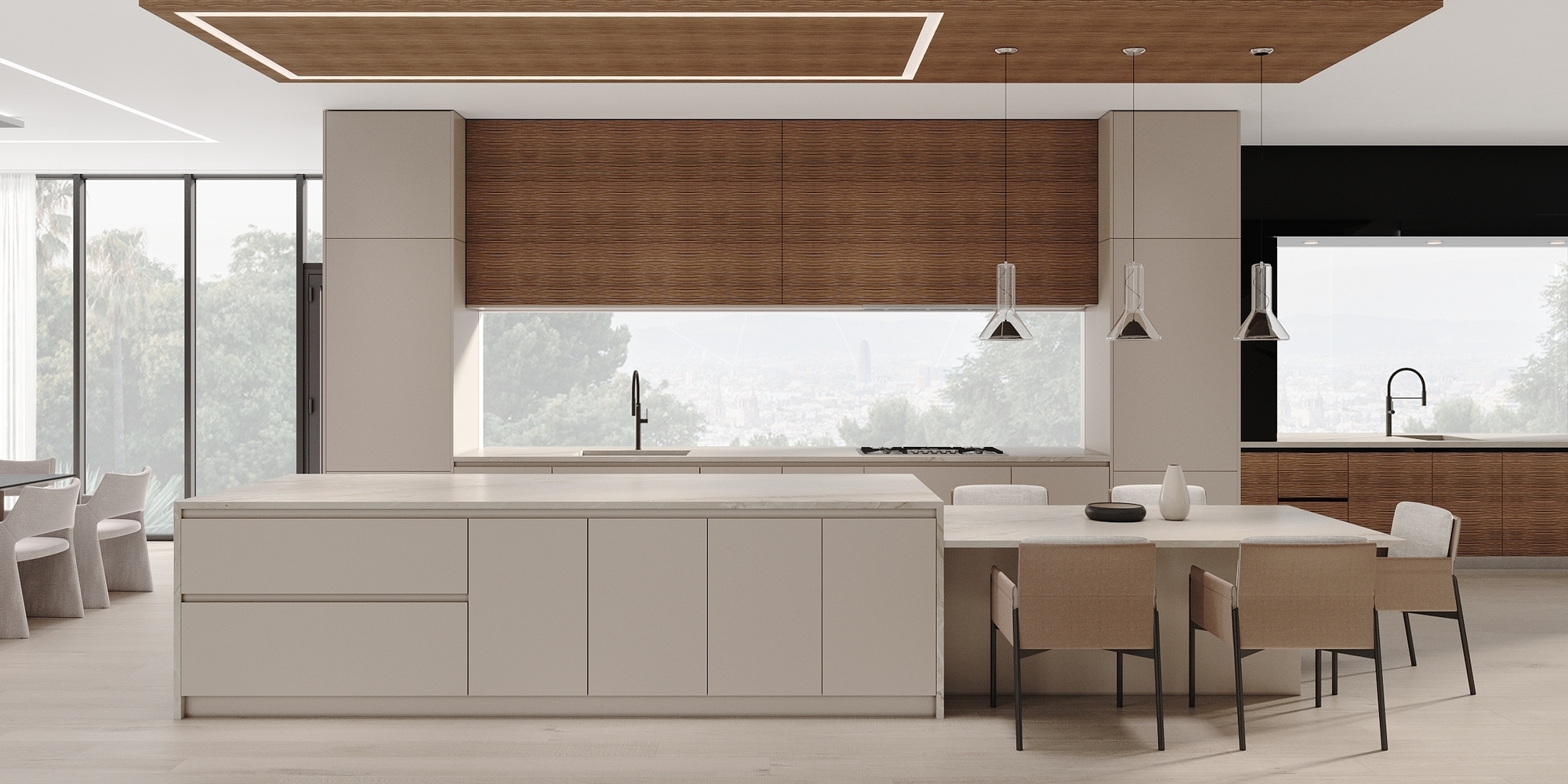
Discover 2024’s Top Kitchen Cabinet Design Trends
As we step into 2024, the landscape of kitchen design transcends mere functionality, embracing an era where bold aesthetics, material fusion, and personalized spaces define the heart of the home. The resurgence of vibrant hues and intricate textures, alongside the innovative Metallo + Legna series, marks a shift towards kitchens that are not only visually captivating but also rich in character and sustainability. With a nod to the past through the revival of natural wood and vintage styles, and a leap into the future with smart, eco-friendly appliances, the upcoming trends cater to a more discerning homeowner. This blend of customization, functionality, and biophilic design highlights a holistic approach to creating kitchens that are true extensions of individuality and environmental consciousness, setting a new benchmark for luxury, efficiency, and ecological sensitivity in modern living spaces.
Key Takeaways
- Bold Colors and Texture Integration: A shift towards bold cabinet colours like off-white, cream, black, vibrant blues, soothing greens, and two-tone combinations, paired with different materials like polished granite and brushed metal to create visually appealing and personality-filled spaces.
- Blending wood and metal transforms kitchen spaces into masterpieces of functional beauty and sustainable innovation, marking a pivotal trend for 2024.
- Natural Wood and Vintage Styles: Natural wood tones and the revival of vintage furniture, like farm tables, add warmth, character, and a sustainable touch to the kitchen, offering a charming alternative to modern styles and heavy islands.
- Customization and Functionality: Custom kitchen cabinets now merge aesthetics with functionality, incorporating mixed materials (wood and metal) and innovative storage solutions to cater to modern homeowners’ demands for durability and style.
- Eco-Friendly Choices and High-Tech Appliances: There’s a growing preference for eco-friendly materials and energy-efficient, high-tech kitchen appliances (smart fridges, induction cooktops, steam ovens) to enhance functionality, style, and sustainability.
- Biophilic Design and Sustainability: Incorporating elements of nature through biophilic design and prioritizing eco-friendly kitchen solutions align with the trend towards sustainability, improving mental health and reducing ecological footprints.
- Bauformat’s 2024 Collection: Highlights include minimalist and handleless designs, intelligent storage solutions, bold colour choices, integration of technology, and the use of natural wood and eco-friendly materials, embodying innovation, personalized luxury, and sustainability.

Cabinet Colors: Top Kitchen Trends 2024 Unveiling Vibrant Choices
Adding a pop of colour to your kitchen cabinets or island can bring personality and style to your minimalist space, making it a focal point. This year, embracing bold colours in interior design is not just a trend; it’s a design revolution within One of the latest trends in kitchen design for 2024. Instead of sticking to traditional white cabinets, people opt for softer shades like off-white cream or even black. These colours create a warm and inviting atmosphere while making a bold statement.
Two-tone cabinets are also gaining popularity in 2024. Imagine having lower cabinets painted a deep, dark forest green, contrasting with lighter upper cabinets. This combination adds depth and creates a visually appealing kitchen.
However, it’s not just about colour; texture plays a crucial role, too. Pairing bold colours with different materials can elevate the overall look. For example, a polished granite countertop can complement dark green cabinets, while a brushed metal handle adds a touch of modernity to cream-coloured cabinets.
Exploring natural wood tones is another way to create a warm and inviting atmosphere. The wood’s unique texture and grain variations add visual interest and appeal to the touch and sight.
By experimenting with bold colours and textures, you can transform your kitchen into a space that functions well and reflects your taste and personality. Remember, trends are just guidelines, and the actual design power lies in your hands. Don’t be afraid to push boundaries and make your kitchen your own.
Top Choice Cabinet Colors: A Homeowner’s Guide
Custom kitchen cabinets are no longer just about storage. They’ve evolved into crucial design elements that significantly influence the kitchen’s aesthetic. As noted in Kitchen & Bath Design News, the trend towards mixed materials is on the rise, with combinations of wood and metal gaining popularity. This approach not only adds a unique character to kitchens but also caters to the growing demand for durability and sustainability, an important consideration for modern homeowners.

2024’s Innovative Kitchen Aesthetics: The Metallo + Legna Fusion
One of the latest kitchen cabinet design trends for 2024 is the revival of vintage furniture styles. In this context, a vintage farm table can serve as a charming and functional alternative to a traditional island, mainly if you have limited space in your kitchen.
The vintage farm table exudes warmth with its rich wood tones and time-worn textures. It adds a dose of charm and character that is hard to replicate. Not only does it provide visual interest, but it also becomes a conversation piece, evoking a sense of nostalgia and comfort.
Its smaller footprint sets a vintage farm table apart from a hefty island. It offers extra prep and seating space without feeling visually heavy. The openness beneath the table creates a sense of spaciousness, preventing the kitchen from feeling cramped. This is particularly advantageous in smaller kitchens where every inch counts.
Furthermore, integrating a vintage piece into your kitchen design adds a unique and unexpected touch. It breaks away from the predictability of modern styles and adds an element of surprise that is both refreshing and trend-aware.
However, the revival of vintage furniture styles goes beyond aesthetics. It aligns with a broader movement towards sustainability, showcasing the durability and timeless appeal of well-crafted pieces from decades past.
In 2024, it is clear that the vintage furniture revival is more than just a passing trend. It represents a design philosophy that embraces authenticity, character, and sustainability. So, don’t hesitate to bring that old farm table into your kitchen. It could be the key to creating a truly your own space.
Incorporating Vintage Design Styles into Your Kitchen Island
Integrating vintage styles into kitchen islands offers a nostalgic charm that resonates with homeowners seeking a blend of old-world elegance and contemporary functionality. According to ‘Elle Decor,’ reclaimed wood and antique finishes are increasingly sought after for kitchen islands, providing a striking contrast to modern appliances and fixtures. This juxtaposition enriches the kitchen’s character and tells a story through its timeless appeal.
Revival of Retro: Blending Past and Present in Kitchen Decor
The revival of retroelements in kitchen decor is more than aesthetics; it’s a homage to time-honoured craftsmanship. Architectural Digest highlights the return of intricate tile patterns and bold geometric shapes, giving kitchens a burst of personality. These elements, when paired with modern conveniences, create a space that is both functional and stylistically eclectic, appealing to a broad range of tastes.

Innovative Two-Tone Cabinetry: A Top Choice in Custom Kitchen Cabinet Design
Exploring the world of two-tone cabinet design innovations can bring exciting contrast and energy to your kitchen. Combining painted white uppers with dark-stained wood base cabinets is a popular choice among homeowners, adding a personal touch and creativity to the overall design.
To enhance the two-tone effect, consider contrasting hardware choices. For example, selecting a brushed nickel handle for your white upper cabinets and an oil-rubbed bronze pull for your dark base cabinets can accentuate the colour contrast, making the kitchen island an interior design focal point. The hardware may seem small, but it can be the finishing touch that transforms a “nice kitchen” into a “wow kitchen.”
In 2024, more adventurous colour pairings are emerging. Dark forest green lower cabinets, when paired with crisp white uppers, make a strong statement. This bold combination adds a touch of drama and personality to the kitchen space.
To help you visualize these trends, here are some popular two-tone combinations:
- White Painted Upper Cabinets with Dark Stained Wood Lower Cabinets, paired with Brushed Nickel or Oil-Rubbed Bronze Hardware.
- White Painted Upper Cabinets with Muster Cabinets paired with Gold Hardware.
- Light grey upper cabinets with dark grey lower cabinets paired with silver hardware are also available.
- Natural Wood Upper Cabinets with Navy Blue Lower Cabinets paired with Brushed Nickel Hardware.
Each combination represents a unique kitchen personality, and the challenge is finding the one that resonates with your aesthetic. Remember, the goal is to create a kitchen space where functionality meets your style.
Mix and Match: The Art of Two-Tone Kitchen Cabinetry
Mixing and matching cabinet colours is a design revolution in the kitchen remodelling sphere. ‘Better Homes & Gardens’ highlights how combining light and dark tones can define different zones in an open-plan kitchen, enhancing its functionality and visual appeal. This strategy adds depth to the kitchen design and allows homeowners to personalize their space to reflect their unique style.
Custom Design Ideas: Making Your Kitchen Uniquely Yours
Personalization is at the heart of kitchen design in 2024. Custom design ideas extend beyond colour choices to include innovative storage solutions and textural contrasts. ‘Home & Design’ magazine notes the increasing popularity of cabinets with mixed textures, such as matte and gloss finishes, or wood combined with metal or glass accents. These customizations not only cater to the practical needs of the homeowner but also create a kitchen that’s a true reflection of their aesthetic, making each space unique.

High-Tech Kitchen Appliances: The Hottest Kitchen Cabinet Design Trends for the Modern Homeowner
Revolutionize your kitchen with cutting-edge technology that enhances functionality and style. Smart refrigerators with built-in touchscreens and cameras are becoming increasingly popular, allowing you to see what’s inside your fridge from anywhere. Induction cooktops are a must-have, providing precise temperature control and energy efficiency.
Upgrade your cooking experience with steam ovens that preserve nutrients and flavour. Sous vide machines are gaining popularity for their ability to cook food evenly at a precise temperature. Touchless faucets and voice-activated appliances are convenient additions to any high-tech kitchen, reducing the risk of cross-contamination and making meal prep a breeze.
Incorporate sleek and minimalist design elements into your kitchen space for a modern aesthetic. Matte black finishes and integrated appliances create a seamless, functional, stylish look. Embrace mixed metals like brass and stainless steel for a contemporary twist on classic kitchen design.
Opt for energy-efficient appliances to reduce environmental impact and lower utility bills. Look for Energy Star-certified products that meet strict energy efficiency guidelines. Investing in eco-friendly kitchen appliances is good for the planet and saves you money in the long run.
Create a connected kitchen ecosystem with appliances that your smartphone can control remotely. Innovative technology allows you to preheat the oven, adjust the temperature, and monitor cooking progress from anywhere. With Wi-Fi-enabled appliances, you can stay on top of your cooking game while on the go.
Personalize your kitchen with customizable features like interchangeable panels and handles to reflect your unique style. Choose appliances that complement your cabinets and countertops for a cohesive look. Consider built-in appliances for a streamlined app.
Biophilic Design: Bringing Nature into Your Kitchen Space
Biophilic design in kitchens is about connecting with nature within the home. ‘Architectural Digest’ highlights using stone and wood and incorporates elements like indoor plants and water features to create a sense of calm and well-being. Incorporating materials like wood and stone brings a piece of nature into the home, allowing for a seamless blend of natural beauty and durability. These materials are chosen not only for their aesthetic appeal but also for their innate qualities; wood adds warmth and a tactile connection to nature, while stone provides a cool, serene touch. The use of such materials in kitchen design not only enhances the space’s visual appeal but also contributes to a sense of calm and grounding, echoing the outdoors inside the home.
The introduction of indoor plants into the kitchen space serves multiple purposes. Beyond their aesthetic value, plants contribute to air purification, humidity control, and psychological well-being. They introduce a dynamic, living element into the kitchen, constantly changing and growing, which brings a sense of vitality and freshness. Water features, though less common, offer a similar benefit, adding a soothing auditory element to the kitchen’s ambiance, which can mimic the calming sound of a stream or fountain, further enhancing the sensory experience of the space.
The impact of biophilic design on mental health and overall quality of life cannot be overstated. Studies have shown that environments that incorporate natural elements can significantly reduce stress, enhance mood, and improve cognitive function. In the context of the kitchen, a space where individuals spend a considerable amount of time, the integration of biophilic design principles can transform the area into a sanctuary of calm and rejuvenation, thereby improving the homeowners’ quality of life.
As we move forward, the trend towards biophilic design in kitchens is expected to gain even more traction. Homeowners and designers alike are recognizing the value of creating spaces that not only look good but feel good, prioritizing well-being alongside functionality and style. By merging the natural world with the built environment, biophilic kitchen design embodies a holistic approach to living spaces, where every element is carefully chosen to enhance the human experience, grounding individuals in nature’s restorative beauty even within the confines of their homes.
Eco-Friendly Kitchen Solutions for the Conscious Homeowner
Eco-friendly kitchen solutions are becoming a priority for the environmentally conscious and stylish. ‘Green Building & Design’ magazine underscores the importance of energy-efficient appliances, sustainable materials, and waste-reducing designs. From recycled glass countertops to low-flow water fixtures, these environmentally responsible choices reduce the ecological footprint and offer long-term cost savings, aligning with the growing sustainability trend in home design.

Bauformat’s Vision for Kitchen Cabinet Design in 2024: Innovation, Sustainability, and Unparalleled Style
In 2024, Bauformat redefines kitchen cabinet design, blending innovation with timeless elegance to create spaces that resonate with modern living while paying homage to sustainable practices. This year, Bauformat’s kitchen collections embody a philosophy where Form meets function in the best kitchen designs. Sustainability aligns with style, and technology enhances usability, marking a new era in kitchen design.
- Minimalist and Handleless Designs: Bauformat’s 2024 offerings emphasize sleek, seamless appearances. With cabinetry that boasts smooth fronts and integrated handle solutions, Bauformat champions a modern, clutter-free kitchen aesthetic. These minimalist designs not only enhance the visual spaciousness of the kitchen but also cater to the growing demand for streamlined, easy-to-maintain surfaces.
- Eco-Friendly Materials: Aligned with the global push towards environmental stewardship, Bauformat introduces kitchen cabinets crafted from eco-friendly materials. By selecting sustainable practices and materials, Bauformat not only contributes to the health of our planet but also offers homeowners the peace of mind that comes with making an eco-conscious choice for their homes.
- Smart Storage Solutions are among the top kitchen design ideas.: Acknowledging that a functional kitchen is the cornerstone of a well-designed home, Bauformat integrates intelligent storage solutions into its 2024 kitchen designs. From ingenious corner cabinets to under-the-sink organizers, these features maximize space and ensure that every utensil and appliance has its rightful place, thus minimizing clutter and enhancing usability.
- Customization and Personalization: Bauformat understands that a kitchen should reflect the homeowner’s personality and lifestyle. Therefore, it offers an extensive selection of finishes, materials, and colours, enabling high customization and personalization. Whether you’re drawn to the understated elegance of matte finishes or the warmth of natural wood, Bauformat ensures your kitchen is uniquely yours.
- Bold Color Choices: Moving beyond the traditional palette, Bauformat embraces bold colours and contrasts in 2024. These vibrant choices are designed to inject personality and energy into kitchen spaces, making them areas for culinary endeavours and centers of joy and creativity.
- Integration of Technology: In response to the rise of smart homes, Bauformat’s latest designs seamlessly incorporate technology into the kitchen. From integrated charging stations to appliances that meld flawlessly with cabinetry, these technological enhancements promise to make kitchens more efficient and a top priority for any kitchen designer—and connected.
- Natural Wood and Textures: Celebrating the intrinsic beauty of natural materials, Bauformat incorporates wood textures and finishes into its 2024 designs. This approach brings warmth, texture, and organic elegance to the kitchen, creating grounded and inviting spaces.
Bauformat’s 2024 kitchen cabinet designs stand at the intersection of innovation, sustainability, and personalized luxury. For homeowners, designers, architects, and builders seeking to transcend traditional kitchen aesthetics and functionality, Bauformat offers the ultimate kitchen cabinet design. Embrace Bauformat’s vision for 2024 and transform your kitchen into a testament to modern living, sustainability, and unparalleled style.
Frequently Asked Questions
What Is the Most Popular Cabinet Style in 2024?
Two-tone cabinets have gained immense popularity in 2024, reflecting the current kitchen design trends. This style injects vibrancy and adds a unique touch to any kitchen space. However, it’s essential to consider alternative perspectives as well.
What Is the Most Popular Kitchen Cabinet Style for 2024?
As we set sail into kitchen design in 2024, it’s clear that some popular trends are emerging. Cabinet materials and eco-friendly designs are taking center stage, with industrial and shaker-style cabinets leading. However, there is also a rising trend toward two-tone colours that promises to revolutionize how we think about kitchen cabinets.
What Is Out in Kitchens for 2024?
Bold and colourful cabinets making the kitchen island the focal point, two-tone designs, and vintage furnishings are exciting trends in kitchens following the national kitchen trends in 2024. These elements add personality and style to the heart of your home, creating a vibrant and inviting space.
What Is the Most Popular Kitchen Color in 2024?
Regarding kitchen colours in 2024, there are plenty of options, marking it as one of the trends you’ll see everywhere. From soothing blues to natural greens, the possibilities are endless. It’s essential to remember that lighting plays a significant role in how colours appear in your kitchen, so it’s crucial to choose wisely to create the desired atmosphere.
What are the top kitchen design trends for 2024?
You can expect trends like multipurpose kitchens, innovative design elements, and dynamic kitchen lighting in two thousand twenty-four.
How can I design a kitchen that incorporates the latest trends?
To integrate the top kitchen design trends of 2024 into your space, focus on elements like open shelving and luxurious materials like quartz and create a focal point in your kitchen.
What are some key features to include in a trendy kitchen design?
Consider incorporating elements like oversized kitchen islands, statement cabinet doors, and unique lighting fixtures to stay ahead of the curve in kitchen design for 2024.
How can I keep my kitchen design current and fresh for years?
To ensure your kitchen remains stylish and timeless, opt for classic design elements paired with trendy accents that can be easily updated as new trends emerge.
Are there any specific kitchen layout trends that will be popular in 2024?
In 2024, we anticipate seeing layouts prioritizing functionality and flow, emphasizing a seamless connection between the kitchen and living areas.
What role does kitchen lighting play in the overall design of a modern kitchen?
Kitchen lighting serves as both a functional and decorative element, with trends in 2024 highlighting the use of innovative lighting solutions to enhance the ambiance and functionality of the space.
Will open shelving be a popular design choice for kitchens in 2024?
Open shelving is expected to remain a sought-after design feature in 2024, offering a balance of practical storage solutions and the opportunity to showcase decorative items.
Bauformat’s 2024 Kitchen Cabinet Designs: Innovative, Sustainable, and Personalized Luxury
Bauformat’s 2024 kitchen cabinet designs are a masterclass in blending innovation, sustainability, and personalized luxury. With a focus on minimalist and handleless designs, eco-friendly creation, and intelligent storage solutions, Bauformat demonstrates its commitment to modern, efficient, and eco-conscious living spaces. The brand’s oversized capacity for customization allows homeowners to create kitchens that genuinely reflect their style and lifestyle needs. Bold colour choices and technology integration ensure Bauformat kitchens are not just functional spaces but vibrant home life centers. Natural wood textures add warmth and organic elegance, showcasing Bauformat’s ability to harmonize natural beauty with cutting-edge design. For Metro Vancouver residents, Bauforwe mat BC is the ultimate partner for kitchen remodelling, emphasizing quality craftsmanship and innovative solutions that cater to diverse tastes and needs. Bauformat BC is the premier choice for those seeking a blend of functionality, luxury, and style in their kitchen.
| Entity Name | Description | Source Link |
|---|---|---|
| Smart device | A smart device is an electronic device, generally connected to other devices or networks via different protocols such as Bluetooth, NFC, Wi-Fi, LiFi, etc., capable of operating to some extent interactively and autonomously. Smart devices can be designed to support a variety of form factors, use cases, and applications ranging from personal use to business and industrial purposes. | Source |
| Aesthetics | Aesthetics is a branch of philosophy that deals with the nature of beauty, art, and taste and the creation and appreciation of beauty. It examines subjective and sensory-emotional values, sometimes called sentiment and taste judgments. Aesthetics covers both natural and artificial sources of aesthetic experience and judgment. | Source |
| Interior design | Interior design is the art and science of enhancing the interior of a building to achieve a healthier and more aesthetically pleasing environment for the people using the space. An interior designer plans, researches, coordinates, and manages enhancement projects. Interior design is a multifaceted profession that includes conceptual development, space planning, site inspections, programming, research, communicating with the stakeholders of a project, construction management, and execution of the design. | Source |
| Evolution | Evolution is the process through which populations of organisms acquire and pass on novel traits from generation to generation, leading to changes in the species over time. This process is driven by natural selection, genetic drift, gene flow, and mutation. Evolution is responsible for the diversity of life on Earth and is a fundamental principle of biology. | Source |
| Carbon footprint | A carbon footprint is the total amount of greenhouse gases (including carbon dioxide and methane) generated by our actions. The average individual’s carbon footprint can be measured by examining the impact of their activities on the environment, particularly in terms of the amount of greenhouse gases produced, measured in units of carbon dioxide equivalents. Reducing carbon footprints can involve decreasing energy usage, adopting sustainable practices, and utilizing renewable resources. | Source |
| Earth | Earth is the third planet from the Sun and the only astronomical object harboring life. About 29.2% of Earth’s surface is land consisting of continents and islands. The remaining 70.8% is covered with water, primarily by oceans. The Earth’s outer layer is divided into several rigid tectonic plates that migrate across the surface for millions of years. Earth’s interior remains active with a solid iron inner core, a liquid outer core that generates the Earth’s magnetic field, and a convecting mantle that drives plate tectonics. | Source |
| Stainless steel | Stainless steel is an iron alloy with a minimum of 10.5% chromium content by mass. Chromium provides a thin layer of oxide on the surface of the steel, known as the passive layer. This layer prevents further corrosion of the surface. Increasing the amount of chromium gives an increased resistance to corrosion. Stainless steel’s resistance to corrosion and staining, low maintenance, and familiar luster make it an ideal material for many applications where the strength of steel and corrosion resistance are required. | Source |
| Brighten | To brighten is to make light or bright; illuminate or to make (something) more pleasant or lively. This term can refer to various actions, such as increasing the light in a room, enhancing the colours of a painting, or making a situation more cheerful. | Source |
| Cabinetry | Cabinetry refers to the craft of making cabinets, which are storage compartments for various uses, including kitchen and bathroom storage and display. Cabinets are typically made from wood, though modern materials and techniques have diversified the materials and designs used in cabinetry. | Source |
| Minimalism | Minimalism is an art movement that began in post–World War II Western art, most strongly with American visual arts in the 1960s and early 1970s. It is characterized by extreme simplicity of form and a literal, objective approach. In broader terms, minimalism refers to a trend in design and architecture where the subject is reduced to its necessary elements. Minimalist design has been highly influenced by Japanese traditional design and architecture. | Source |
| Marble | Marble is a metamorphic rock composed of recrystallized carbonate minerals, most commonly calcite or dolomite. Marble is typically not foliated, although there are exceptions. In geology, marble refers to metamorphosed limestone, but its use in stonemasonry more broadly encompasses unmetamorphosed limestone. Marble is commonly used for sculpture and as a building material. | Source |
| Granite | Granite is a common type of felsic intrusive igneous rock that is granular and phaneritic in texture. Granites can be predominantly white, pink, or gray, depending on their mineralogy. The word “granite” comes from the Latin granum, a grain, about the coarse-grained structure of such a completely crystalline rock. Granite is nearly always massive, hard, and tough, and it is for this reason it has gained widespread use as a construction stone. | Source |
| Hue | Hue refers to a color or shade. It is one of the main properties of colors, defined technically in the color wheel as the degree to which a stimulus can be described as similar to or different from stimuli described as red, green, blue, and yellow (the unique hues). Hue can also refer to a particular shade of a given color. In color theory, a hue is the pure spectrum of colors that appear on the color wheel and are distinguished from each other. | Source |
| Brass | Brass is an alloy of copper and zinc; the proportions of zinc and copper can be varied to create a range of brasses with varying properties. It is a substitutional alloy: atoms of the two constituents may replace each other within the same crystal structure. Brass is used for decoration for its bright gold-like appearance; for applications where low friction is required such as locks, gears, bearings, doorknobs, ammunition casings, and valves; and for plumbing and electrical applications. | Source |
| Mid-century modern | Mid-century modern is an architectural, interior, product, and graphic design that describes mid-20th-century developments in modern design, architecture, and urban development from roughly 1933 to 1965. The style is characterized by simplicity, clean lines, and organic forms, merging functional and beautiful designs. It emphasized creating structures with ample windows and open floor plans, to open up interior spaces and bring the outdoors in. | Source |
| Home appliance | A home appliance, also referred to as a domestic appliance, an electric appliance, or a household appliance, is a machine that assists in household functions such as cooking, cleaning, and food preservation. Appliances are divided into three types: small appliances, major appliances, or white goods, and consumer electronics, or brown goods in the United Kingdom. The division is noticeable in the maintenance and repair of these types of products too. | Source |
| Quartz | Quartz is a hard, crystalline mineral composed of silicon and oxygen atoms. It is the second most abundant mineral in Earth’s continental crust, behind feldspar. Quartz exists in two forms, the normal α-quartz and the high-temperature β-quartz, both of which are chiral. The transformation from α-quartz to β-quartz takes place abruptly at 573 °C (846 K). Quartz is used for a wide array of applications, from jewelry to hardstone carvings and industrial uses. | Source |
| Accent lighting | Accent lighting is a method of lighting that is used to highlight or accentuate specific objects or areas in a space. It can be used to draw attention to artworks, plants, sculptures, or other items in a room, creating visual interest and directing the eye. Accent lighting can be achieved through various means including spotlights, track lighting, wall-mounted fixtures, or recessed lights, and is a key component in creating atmosphere and depth in interior design. | Source |
| Lighting control system | A lighting control system is a smart network-based lighting control solution that incorporates communication between various system inputs and outputs related to lighting control with the use of one or more central computing devices. These systems are used in both indoor and outdoor lighting of commercial, industrial, and residential spaces to provide the right amount of light where and when it is needed, enhancing aesthetic appeal, and reducing energy consumption and costs. | Source |
| Automation | Automation is the technology by which a process or procedure is performed with minimal human assistance. Automation or automatic control, is the use of various control systems for operating equipment such as machinery, processes in factories, boilers, and heat treating ovens, switching on telephone networks, steering, and stabilization of ships, aircraft, and other applications and vehicles with minimal or reduced human intervention. Automation has been achieved by various means including mechanical, hydraulic, pneumatic, electrical, electronic devices, and computers, usually in combination. | Source |
| Color temperature | Color temperature is a characteristic of visible light that has important applications in lighting, photography, videography, publishing, manufacturing, astrophysics, horticulture, and other fields. It is measured in degrees Kelvin (K) and describes the hue of a specific type of light source. The concept is based on the principle that an ideal black-body radiator emits light of varying colors when it is heated to different temperatures. Lights with a low color temperature will appear warmer (more yellow/red), while those with a high color temperature will appear cooler (more blue). | Source |
| Efficient energy use | Efficient energy use, also known as energy efficiency, is the goal to reduce the amount of energy required to provide products and services. For example, insulating a home allows a building to use less heating and cooling energy to achieve and maintain a comfortable temperature. Installing LED lighting, high-efficiency appliances, and windows are examples of measures that can reduce energy consumption. The concept of energy efficiency also applies to reducing energy consumption in the transportation sector and industrial processes. | Source |
| Latest Trends | Latest trends refer to the most recent and popular practices, products, or ideas in a particular field or industry. This can include fashion, technology, entertainment, lifestyle, and more. Staying updated with the latest trends is important for businesses and individuals to remain competitive, relevant, and informed. Trends can influence consumer behavior, product development, and marketing strategies. | Source |
| Kitchen Cabinet | Kitchen cabinets are the built-in furniture installed in many kitchens for storage of food, cooking equipment, and often silverware and dishes for table service. Appliances such as refrigerators, dishwashers, and ovens are often integrated into kitchen cabinetry. There are many options for cabinets available at present. | Source |
| Wood | Wood is a porous and fibrous structural tissue found in the stems and roots of trees and other woody plants. It has been used for thousands of years for both fuel and as a construction material. It is an organic material, a natural composite of cellulose fibers that are strong in tension and embedded in a matrix of lignin that resists compression. Wood is sometimes defined as only the secondary xylem in the stems of trees, or it is defined more broadly to include the same type of tissue elsewhere such as in the roots of trees or shrubs. | Source |
| Oak | Oak is a genus of trees and shrubs in the family Fagaceae. There are approximately 500 species of oak. Oaks have spirally arranged leaves, with some having lobed margins. Many species are noted for their wood, which is often used for furniture because of its durability and beauty. Oaks produce acorns, which are a food source for many wildlife species. Oaks are also known for their strength and longevity, with some species living for hundreds of years. | Source |
| White | White is the color of milk and fresh snow, due to the reflection of most wavelengths of visible light. It is a neutral or achromatic color, meaning literally that it is a color “without color,” because it can be composed of all the colors of the visible spectrum. White is associated with light, goodness, innocence, purity, and virginity. It is considered to be the color of perfection. White means safety, purity, and cleanliness. As opposed to black, white usually has a positive connotation. | Source |
| Taupe | Taupe is a dark gray-brown color. The word “taupe” comes from the French name for the European mole, which is used to describe the color of the mole’s fur. Taupe colors fall into a range from dark tan to grayish brown or brownish gray. The color is often used in fashion, interior design, and art for its neutral and understated elegance. | Source |
| Shades of green | Shades of green refer to a variety of hues of the color green. Green is the color between blue and yellow on the visible spectrum. It is evoked by light which has a dominant wavelength of roughly 495–570 nm. The perception of green is evoked by light that stimulates two of the three types of color-sensitive cones in the eye in roughly equal amounts, which are perceived by the human eye as green. Shades of green can vary from light, pale hues to deep, dark shades. | Source |
| Kitchen cabinet | Kitchen cabinets are the built-in furniture installed in many kitchens for storage of food, cooking equipment, and often silverware and dishes for table service. Appliances such as refrigerators, dishwashers, and ovens are often integrated into kitchen cabinetry. There are many options for cabinets available at present. Kitchen cabinets play a critical role in kitchen design and function. | Source |
| Dream Kitchen | A Dream Kitchen refers to an ideal or highly desired kitchen setup or design. It typically embodies the perfect combination of aesthetic appeal, functionality, and innovative features according to the homeowner’s personal preferences and needs. A dream kitchen often includes high-quality appliances, ample storage space, durable and visually appealing materials, and a layout that facilitates ease of use and comfort during cooking and social interactions. | Source |
Statistics
- Neutral colors are expected to cover approximately 70% of all kitchen cabinets in 2024.
- Industrial-style kitchen cabinets are predicted to be chosen for 55% of kitchens undergoing a modern renovation in 2024.
- Glass-front cabinets are anticipated to be featured in around 40% of all new or remodeled kitchens in 2024.
- Nearly 60% of kitchen remodels in 2024 are expected to incorporate hidden storage options.
- Open shelving is projected to be incorporated in over 30% of kitchen designs in 2024.
- Around 45% of kitchen renovations in 2024 are anticipated to include two-toned cabinets.
- Approximately 35% of all kitchens in 2024 are expected to feature a contrast of dark and light finishes in their cabinetry.
- By the end of 2024, matte black kitchen cabinets are predicted to be installed in around 15% of all modern or contemporary kitchens.
- Naturally finished, wood kitchen cabinets are estimated to be chosen in over 65% of kitchen renovations in 2024.
- The use of sleek and minimalistic handles for kitchen cabinets is predicted to rise by 50% in 2024.
- By 2024, approximately 25% of homeowners are reportedly considering implementing blue shades into their kitchen cabinet design
- In 2024, olive green is expected to appear in around 15% of kitchen cabinets, signaling a growing appeal for earthy tones.
- Estimates suggest that up to 60% of kitchens will feature integrated appliances within their cabinetry design by the end of 2024.
- In 2024, nearly 20% of kitchens are expected to introduce bold and vibrant colors through their kitchen cabinetry.
- According to forecasts, more than 45% of kitchen renovations in 2024 are going to include a kitchen island with contrasting cabinetry.
How To
How to Choose Kitchen Cabinet Colors for 2024
Varied factors come into play when selecting the colours for your kitchen cabinets. While the 2024 trend leans towards neutral and earthy colors, ultimately, the choice should reflect your personal preference and kitchen’s style. Look at your kitchen’s size, layout, and the amount of natural light. Small, darker kitchens may benefit from lighter cabinets, while a bigger, well-lit kitchen could go daring with darker shades. Remember, trendier colors might not age well, so opt for timeless shades if longevity is your goal.
How to Incorporate Industrial Style Cabinets in Your Kitchen
Incorporating industrial-style cabinets into your kitchen invariably involves the use of raw materials like steel, concrete, and wood. Opt for flat doors, sleek hardware, and consider a more minimalistic, utilitarian design. Darker tones pair well with the industrial style. When selecting finishes and hardware, aim for a simple yet stylish aesthetic that complements the overall industrial theme of your kitchen.
How to Integrate Two-Tone Cabinets in 2024 Kitchen Design
Two-toned cabinets are a striking design concept popular in 2024 kitchen design trends. You could choose to have the upper and lower cabinets in contrasting colors, or have your kitchen island in a different hue from the rest of the cabinets. Ensure that the two colors you select complement each other and tie in naturally with the overall color scheme of your kitchen and home. Using one neutral shade can also help ground the bolder choice.
How to Implement Hidden Storage in Kitchen Cabinets
Hidden storage options can enhance your kitchen’s functionality and aesthetics. Start by identifying potential wasted space like toe-kicks, corners and the area under the sink. Opt for custom cabinetry solutions like pull-out racks, carousel style corner cabinets, and toe-kick drawers. Custom inserts can also be added to existing drawers to maximize storage. Your design should focus on hiding these storage compartments within the aesthetics of the kitchen to ensure a clean, uncluttered look.
How to Use Open Shelving in the Kitchen
If you’re following the 2024 trend of open shelving, start by planning what you want to display on the shelves. This could range from your fancy china to vintage mason jars or cookbooks. Be mindful that what you put on display should be used regularly, as they’ll be exposed to dust. Further, make sure shelves are installed securely to bear the weight of items, and maintain a regular cleaning schedule to keep your open shelves looking their best.

Kitchen Design Trends 2024
As we venture into 2024, the heart of the home—the kitchen—is experiencing a breathtaking transformation, thanks to the vision and creativity of top designers and architects. The top 6 kitchen design trends are redefining this essential space, blending functionality with sheer beauty and departing from the familiar toward a future where luxury, warmth, efficiency, and personal expression work together.
One can’t help but marvel at the exceptional kitchen designs setting the stage for the most prominent kitchen trends in 2024. These spaces are more than just areas for culinary creation; they are grand stages that showcase the rest of the kitchen in a new light. A big kitchen now opens up a realm of possibilities, from intelligent technology integration that simplifies our lives to biophilic design elements that bring the calming essence of nature indoors, creating an inviting space that speaks to the soul. A National Kitchen and Bath Association (NKBA) study reveals that 35% of homeowners consider eco-friendly kitchen solutions.
Kitchen lighting trends at the forefront of this revolution spotlight how to create a sleek and modern ambiance. The best kitchen lighting systems, carefully curated by the adept hands of a kitchen designer, soften the space with clean lines and diffused illumination, turning every corner into a visual retreat. Splashbacks, no longer just functional elements, now feature unique stone and marble, adding textural beauty and vibrant veining, turning the kitchen splashback into a focal point of artistry and design.
Materials and textures come in various styles, carefully chosen to complement design styles and create a captivating narrative. The blend of stone, marble, and innovative materials adds a touch of elegance and embodies the spirit of sustainable living. This thoughtful selection by designers and architects ensures that every kitchen is ahead of the curve, reflecting the individuality of its owners through bespoke design elements and personalized touches.
Integrating innovative technology within the kitchen opens new avenues for convenience and connectivity. Appliances and systems now create a seamless culinary experience, offering suggestions and assistance that were once the domain of the imagination. This, combined with the overarching theme of sustainability and personal expression, illustrates a future where our kitchens are not just spaces for cooking but are integral parts of our living environment, designed to inspire, comfort, and enrich our daily lives. As we look forward to the innovations 2024 holds, the kitchen will continue to evolve, becoming more than just a place to cook but a sanctuary of creativity, connection, and well-being.
Key Takeaways:
- The trend towards Personalization: The rise of coloured and painted cabinets, especially in warm, rich colours like black, blue, and green, departs from traditional kitchen designs, offering a bolder, more personalized look.
- Functional Aesthetics: Beyond their aesthetic appeal, coloured cabinets provide practical benefits, concealing dirt, stains, and scratches better than lighter colours, thereby maintaining the kitchen’s appearance over time.
- Homeowner Individuality: This trend reflects homeowners’ desires to mirror their style through their kitchen’s design, turning kitchens into unique spaces that express individual identity and taste.
- The surge in Black Kitchen Sales: A significant increase in black kitchen cabinet sales underscores a growing preference for bold and dramatic kitchen aesthetics, signalling a shift in consumer attitudes toward kitchen design.
- Future of Kitchen Design: The popularity of painted and coloured cabinets indicates a broader move towards personalized and individualistic home design, suggesting a prosperous future with innovative and personal design choices.
- Practical Considerations: While coloured cabinets offer a unique and personalized kitchen look, maintenance and potential impacts on resale value should be considered. However, the ability to express personal style often outweighs these concerns.

A 2024 Kitchen Trend: Induction Cooktops
Induction cooktops are not just cooking appliances; they are the symphony of style and substance that play a crucial role in the narrative of modern kitchen designs in 2024. Their sleek, streamlined aesthetics are more than just a visual treat; they symbolize a revolution in the kitchen, bringing the future of cooking into our homes today. These cooktops don’t just cater to the practical demands of cooking; they dance to the rhythm of efficiency, making every culinary experience a masterpiece of convenience and speed.
Imagine transforming your kitchen into a modern art canvas where induction cooktops become the centrepiece for their stylish appeal and the innovative leap they represent. They harmonize with various kitchen layouts, embodying the essence of versatility. This is where form meets function in a beautiful symphony, making the kitchen a place of endless possibilities and creativity. It’s a testament to how we’ve evolved in our approach to kitchen design, where every element is thoughtfully integrated to reflect our style and how we live.
The allure of induction cooktops extends beyond their elegant design. Their ability to heat up swiftly revolutionizes the cooking experience, turning what was once a chore into a delight. This efficiency is a gentle whisper to our environmental consciousness, nudging us towards choices that beautify our homes and protect the world. The quick heating saves precious moments, allowing us to spend more time with those who matter most, making the kitchen a sanctuary of warmth and love.
As we ponder the future of kitchen design, induction cooktops stand out as beacons of innovation, propelling us toward a future where Practicality and beauty coexist in harmony. They challenge us to rethink our spaces, encouraging a blend of efficiency and elegance that transcends traditional boundaries. The choice to integrate such technology into our homes is more than a nod to contemporary design; it’s a step towards embracing a lifestyle where convenience and sustainability are interwoven into the fabric of our daily lives.
So, as we stand on the brink of this exciting evolution, let’s reimagine our kitchens not just as places where meals are prepared but as heartbeats of our homes—vibrant, efficient, and reflective of our deepest values and aspirations. Induction cooktops are not merely appliances; they are the harbingers of a new era in kitchen design, inviting us to embrace the future, one meal at a time.
Gaining popularity of Induction Cooktops
Induction cooktops, the shining stars in the kitchen galaxy, are revolutionizing the culinary world with their swift and precise cooking capabilities. Imagine standing in your kitchen, hovering over an induction cooktop, where electromagnetic technology breathes life into your cookware, cooking meals in a fraction of the time. This isn’t just cooking; it’s an intimate dance with technology, where every increase in temperature is a step closer to perfection. The absence of open flames whispers safety, nurturing a space where culinary dreams can flourish without fear. As the cooktop touches only the pan, the air around remains cool, crafting an oasis of comfort in the heat of culinary passion. This harmony of speed, safety, and serenity makes one wonder – are we witnessing the dawn of a new era in home cooking?
Beneath the allure of innovation, a chorus of traditionalists and pragmatists raises poignant questions. The tactile romance of adjusting a gas flame, the universal compatibility of electric stoves – could these familiar comforts hold their ground against the sleek efficiency of induction cooking? Replacing beloved cookware with induction-ready alternatives might shadow this bright future for some. But in the heart of the modern kitchen, induction cooktops stand as beacons of progress, offering a path forward that doesn’t eliminate tradition but enriches culinary options’ tapestry. As we stand at this crossroads between the past and the future, the choice becomes not about discarding our culinary heritage but embracing the breadth of possibilities that innovation brings to our tables.
Induction Cooktops: Sleek and modern look
Induction cooktops are not merely appliances; they are the heartbeats of modern kitchen design, pulsating with a blend of elegance and cutting-edge technology that resonates deeply with contemporary sensibilities. Their sleek, minimalist design is a love letter to the modern homeowner’s desire for simplicity and efficiency, painting the kitchen with strokes of sophistication and a clutter-free aesthetic that breathes life into the essence of culinary spaces. This marriage of form and function speaks to a more profound longing for harmony and balance, where the tools of our daily lives reflect our values and aspirations. As these cooktops seamlessly integrate into the kitchen’s landscape, they do more than cook; they inspire, inviting us into a dance of creativity and precision that elevates the cooking experience to an art form. This allure of seamless beauty and unparalleled efficiency beckons us toward a future where our kitchens are not just places of nourishment but sanctuaries of sustainable living.

Induction Cooktop’s Flexibility in Kitchen Layout
Induction cooktops, the unsung heroes of modern kitchen design, are weaving a new narrative in cooking that harmonizes efficiency, sustainability, and sheer elegance. Picture this: a kitchen where every meal preparation is a ballet of precision and speed, thanks to the induction cooktop’s ability to control the temperature with finesse. This isn’t merely cooking; it’s an embrace of efficiency that transforms the kitchen into a realm of possibilities, empowering the chef with the flexibility to craft meals that were once beyond imagination. Yet, the allure of induction cooktops transcends their functional prowess. They stand as beacons of sustainability, and their method of heating cookware is a testament to our collective aspiration for a greener earth. Embedded within the kitchen layout, these cooktops sing a song of modernity, their seamless integration reflecting our desire for clean and captivating spaces. It’s a vision of the future, realized in the here and now, where technology and design converge to elevate the everyday into the extraordinary.
Diving deeper into the essence of induction cooktops reveals a challenge we’re poised to meet: maximizing their potential in a constantly evolving world. With their myriad benefits, these cooktops are not just tools but a call to rethink how we design our kitchens—spaces that are adaptable, mindful of our planet, and reflective of our aesthetic values. Yet, as we chart this course, we must navigate the nuances of incorporating such technology. Are there limitations? Certainly, but it’s within these challenges that opportunity blossoms. By engaging in this conversation, we don’t just explore the mechanics of cooking; we’re reimagining the kitchen as a sanctuary of sustainability, efficiency, and beauty. This journey into the heart of modern kitchen design isn’t just about understanding induction cooktops; it’s about envisioning a future where our homes reflect the pinnacle of innovation and style, a testament to our enduring quest for living spaces that inspire, nurture, and respect the world around us.
Induction cooktops: Examples of creative use
Induction cooktops are not merely appliances but heartbeats of the modern kitchen, whispering tales of the future with every dish they help create. In the dance of design and technology, these cooktops lead, their hidden forms a silent testament to the elegance technology can bring into our most cherished spaces. Picture your kitchen transforming into a stage where functionality meets beauty, where every meal is an opportunity to marvel at the seamless blend of form and function. This isn’t just about cooking; it’s about embracing a lifestyle where convenience and aesthetics coexist, inviting you to step into a world where your kitchen doesn’t just look good—it works more intelligently, too.
The ascent of induction cooktops signals a revolution, heralding an era where intelligent kitchens become the norm, not the exception. Imagine the simplicity of controlling your cooktop with a touch on your smartphone, bringing a new level of efficiency and ease into your culinary endeavours. This fusion of technology and kitchen design isn’t just about adding gadgets; it’s about redefining what it means to cook, live, and interact with the heart of your home. As we look toward the kitchen trends of 2024, it’s clear that induction cooktops are more than just a trend—they’re a preview of a life filled with greater simplicity, efficiency, and joy. So, as you ponder the possibilities of your kitchen’s future, consider how an induction cooktop might not just change how you cook but could transform your daily life into an experience of unbridled creativity and effortless control.
A 2024 Kitchen Trend: Layered and Understated Lighting
In the ever-evolving kitchen design landscape, the spotlight shifts towards layered and understated lighting, a trend redefining our culinary spaces. This subtle revolution in lighting is about illuminating our kitchens and crafting an ambient, functional, and visually pleasing environment. Imagine the heart of your home bathed in a soft, inviting glow, where every corner tells a story of warmth and welcome. It’s a strategic symphony of under cabinet lighting, lighting in shelving, and toe kick areas, complemented by the soft allure of cove lighting and dimmers. This approach transcends mere visibility; it’s about creating an oasis where memories are made, and every meal is wrapped in the comforting embrace of thoughtfully designed light.
The journey to selecting the proper lighting for your kitchen is as personal as the meals you prepare. Whether navigating the cozy confines of a small kitchen or the expansive breadth of a larger space, the key is knowing how to layer these lights to enhance functionality and atmosphere. Under cabinet lighting cuts through shadows, ensuring that every slice and dice is done precisely while lighting in shelving and toe kick areas safeguards each step you take. For those with more room to play, cove lighting and dimmers offer an opportunity to dial up the coziness, making the kitchen not just a place for cooking but a sanctuary for living. In this nuanced dance of light, your kitchen becomes more than a space—a feeling, a mood, a cherished part of your home’s soul.

Moving away from traditional pendant lights
In the heart of 2024, we witness a bold leap away from the traditional, with kitchens shedding the familiar pendant lights for a new era of illumination. This year marks a departure towards layered and discreet designs, seamlessly woven into the fabric of kitchen aesthetics, heralding a movement towards minimalism. Imagine stepping into a kitchen where layered lighting adds a soft depth and dimension, making the space not just a place for culinary creativity but a sanctuary. The rise of recessed lighting transforms the kitchen, offering a discreet and efficient glow without overshadowing the beauty of the design. Meanwhile, sconces near windows dance with the daylight, crafting a serene atmosphere. This isn’t just a shift; it’s a revolution in how we envision our kitchens, moving us towards a future where lighting is seen and felt, creating genuinely personalized spaces.
The evolution of kitchen lighting reflects a deeper understanding of how light shapes our living spaces. As our homes become sanctuaries, the quest for the perfect ambiance has led to an embrace of layered lighting, which introduces depth and warmth. Recessed lighting emerges as a star player, its subtle brilliance enhancing without overwhelming. At the same time, sconces near windows offer a gentle nod to the power of natural light, blending the outdoors with the indoors. These trends are more than design choices; they are a testament to our growing desire for spaces that reflect our style and meet our functional needs. They signify a shift towards sophistication and minimalism, where the true essence of the home shines through the thoughtful interplay of light and shadow, making every kitchen a canvas of personal expression and understated elegance.

Utilizing under-cabinet lighting
The growing allure of under cabinet lighting in kitchen renovations is not just a trend; it’s a revelation reshaping our perception of kitchen design. Imagine entering a kitchen where the countertops are bathed in a soft, inviting glow, turning every culinary task into an experience of pure joy. This isn’t merely about enhancing visibility; it’s about infusing the kitchen with an ambiance that envelops the room in warmth and depth. With 69% of homeowners embracing under-cabinet lighting in their renovations, we’re witnessing a significant shift towards a space that is not only functional but also a haven of aesthetic pleasure. This transformation speaks to a more profound yearning for kitchens that transcend their traditional roles, evolving into spaces that dazzle the senses and invite moments of beauty.
This trend towards under-cabinet lighting illuminates the path to a kitchen that harmonizes Practicality and style, breathing new life into our most cherished spaces. It’s thrilling to see how a simple lighting strip can transform the kitchen from a mere workspace to a canvas of elegance and warmth. The beauty of this lighting style lies in its dual functionality—casting light on our tasks while crafting an ambiance that draws people in, making the kitchen the heart of the home. As we look forward to the future of kitchen design, it’s clear that under-cabinet lighting stands as a beacon of innovation, inviting us to reimagine our spaces with an eye toward function and flair. In contemplating a kitchen renovation, envisioning the transformative power of under-cabinet lighting offers a glimpse into a world where every detail contributes to a harmonious blend of utility and aesthetics.
Incorporating lighting in shelving and toe kick area
As we enter 2024, the kitchen design landscape is illuminated with innovation, particularly in how lighting redefines spaces once overlooked. Imagine the transformation as lighting in shelving and toe kick areas plays a pivotal role, turning ordinary spaces into mesmerizing points of interest. This isn’t just about illumination; it’s about elevating every nook and cranny of your kitchen, allowing the subtle intricacies of your design to dance in the soft light. The strategic placement of lights showcases your cherished kitchen items in a new light and adds an unexpected layer of depth and dimension. It’s a delicate balance of aesthetics and functionality, creating a kitchen that serves its purpose and is a testament to the thoughtful design’s beauty. The embrace of layered lighting is more than a trend; it’s a revolution in creating environments that wrap you in warmth, inviting you to bask in the ambiance of a space that truly feels like home.
In this era of kitchen design, mastering the art of lighting is akin to painting with light, using shelves and toe kicks as your canvas. This journey towards an illuminated kitchen is not just about following trends but crafting a space that reflects your essence, a kitchen that resonates with your spirit. As we navigate these exciting new trends, it’s crucial to blend form with function, ensuring that each light fixture not only enhances the aesthetic appeal but also enriches the functionality of your kitchen. This approach to design promises a kitchen that isn’t just a backdrop for your daily routines but a central character in your home’s story. It’s a reminder that amidst the ebb and flow of trends, the heart of your kitchen lies in choosing a style that echoes your lifestyle and personal taste, a beacon guiding you toward a space where every moment is illuminated with purpose and passion.
Cove lighting and dimmers
In the heart of 2024’s kitchen design evolution, cove lighting and dimmers cast a mesmerizing spell, revolutionizing how we perceive and interact with our culinary spaces. Picture a soft, ethereal glow from hidden recesses, transforming the kitchen into a realm of elegance and warmth. This isn’t just illumination; it’s an art form where light gently carves out space, creating layers of mood and ambiance that whisper sophistication. It’s a world where light doesn’t just serve; it enchants, enhancing the beauty of the kitchen without overshadowing it. Cove lighting, with its ability to tuck away yet boldly accentuate and dimmer brightness levels, together craft of shadows and light. This intricate dance is not just about visibility and stage for life’s moments, from the mundane to the magical, in a kitchen that adapts with a mere slide of a dial.
This burgeoning trend towards hidden lighting sources reflects a more profound desire for spaces that resonate with our rhythms and moods. The 2024 report by the National Kitchen and Bath Association (NKBA) underscores this, revealing that 77% of homeowners now lean towards adjustable kitchen lighting, a testament to our collective yearning for environments that mirror our emotions and activities. It’s a sign of a future where kitchens are not just rooms but experiences, adaptable and alive. As we embrace cove lighting and dimmers, we’re not just choosing fixtures; we’re choosing a lifestyle where a flicker of light is a brushstroke on the canvas of our days. This movement towards versatile lighting solutions heralds a new chapter in kitchen design, one where eight, every shadow, tells a story, making our kitchens not just spaces for preparing meals but sanctuaries of light, life, and endless possibility.

Creating a layered approach to kitchen lighting
As we gaze into the future of kitchen design, 2024 illuminates a path where layered and subtle lighting becomes the essence of function and beauty. Envision a kitchen where every flicker and shadow tells a story, where pendant lights spire over kitchen islands and task lighting dances across your workspaces. The soft hum of under-cabinet lighting promises a haven for exploration, banishing shadows and bringing precision to every chop and stir. Meanwhile, the embrace of ambient lighting fills the room with a warm, welcoming glow, transforming the kitchen from a mere cooking area into the heart of your home. This symphony of lights, each layer adding depth and dimension, not only enhances the Practicality of your kitchen but also invites you into a space that feels both functional and enchantingly inviting.
This trend towards a balanced and comfortable environment, underscored by data from the National Kitchen and Bath Association (NKBA), reflects a deep-seated desire to harmonize the practical with the aesthetically pleasing. In this future, kitchens transcend traditional roles, becoming stages for connection, creativity, and shared moments. Pendant lights become more than fixtures; they are beacons of personality and style. Under-cabinet lighting emerges as the unsung hero of culinary safety and efficiency, while ambient lighting wraps the space in a soft embrace, perfect for gatherings or quiet mornings. As we stand on the brink of these evolving trends, the kitchen becomes not just a place for meals but a sanctuary of warmth, light, and memory-making, inviting us all to reimagine the heart of our homes with layers of light that echo our lives and illuminate our most cherished moments.
A 2024 Kitchen Trend: Beverage Stations
The dawn of 2024 heralds a transformative era in kitchen design, where custom beverage stations rise as the crowning gems of modern culinary spaces. These bespoke zones—crafted for wine, coffee, or cocktails—are not merely functional; they are the personal expression and the nexus of hospitality. In an age where kitchens transcend their culinary roles to become arenas of socialization, work, and relaxation, the ascendancy of beverage stations eloquently articulates our collective yearning for a kitchen that mirrors our desires and ways of life. Whether you’re a connoisseur of fine wines, a devotee of artisanal coffee, or a master of mixology, these stations invite you to customize your kitchen to the unique tempo of your existence, blending both utility legacies. They embody not just a fla fleeting trend andement towards crafting spaces that are as distinctive as they are welcoming, transforming the kitchen into a stage for communal gathering and creative endeavour that enrich our lives.
As we gaze into the future, the dialogue shifts to the appeal of beverage stations and their commitment to redefining the narration design. As our dwellings increase the complexity of our lives, these stations shine as beacons of the personalized, versatile sanctuaries we yearn for. They unveil a vision of the future where kitchens evolve from mere rooms into realms where opulence coalesces with pragmatism, and every element, from the curated selection of spirits to the meticulously chosen espresso apparatus, narrates the essence of our identity. In the dynamic design tableau, beverage stations occupy a place of honour, not only a preferred libation but also a command bonding, innovation, and individual expression. As we navigate the shifting landscapes of kitchen aesthetics, one truth crystallizes: the soul of an exceptional kitchen is found in its capacity to embody your uniqueness, serving as a haven of flavour, the simple delights of life, cherished one sip at a time.

Increasing trend of built-in beverage spaces
In the dynamic landscape of kitchen design in 2024, the emergence of built-in beverage spaces stands out as a testament to innovation and personalization. These spaces transcend mere aesthetic enhancements to become integral elements of functionality, seamlessly woven into the fabric of modern kitchens. Homeowners are now crafting these areas to reflect their unique tastes and lifestyles, embedding a personal touch into every corner of their culinary domain. The transformation is not just about adding a hidden nook for wines or a dedicated spot for morning coffees; it’s about reimagining the heart of the home to cater to diverse preferences and occasions. From serving up family-friendly refreshments to hosting elegant evening soirees, these built-in spaces offer a versatility that reshapes the kitchen. It’s a bold move away from conventional layouts, heralding a future where kitchens are not just about cooking but about celebrating the joy of gathering, sharing, and savouring.
As we navigate through this, the question arises: How is this shift influencing the broader spectrum of kitchen design? The answer lies in integrating personalization and utility, propelling us towards beautiful and adaptable kitchens. This evolution reflects a broader trend of kitchens evolving to meet the changing rhythms of our lives, where every design choice is an opportunity to infuse convenience and character into our spaces. The focus on built-in beverage spaces illuminates a path toward the kitchen becoming a canvas for expression, blending the art of hospitality with the science of design. It’s a compelling transformation narrative, and homeowners and designers must rethink the boundaries of kitchen functionality and aesthetic appeal. As we delve deeper into this trend, it becomes clear that the future of kitchen design is not just about following the latest fads but about creating spaces that echo our identities, adapt to our needs, and enrich our daily lives with every pour, every toast, and every shared meal.
Upgrading Beverage Stations: Wet or dry bars, coffee bars, and wine bars
In the dynamic landscape of kitchen design for 2024, the advent of beverage stations like wet and dry bars, coffee bars, and wine bars marks a transformative era where kitchens transcend traditional roles. These specialized nooks, crafted for the joy of preparing and relishing a variety of beverages, emerge as essential elements in modern kitchens, blending daily routines with the art of hosting. Yet, these spaces extend their embrace beyond adults, welcoming younger family members with kid-friendly options and even accommodating our furry friends with ingenious hidden compartments for pet food storage. This evolution speaks volumes about the kitchen’s journey from a mere culinary space to a multifaceted hub where every family member, regardless of age or species, finds comfort and joy. It’s a testament to how our kitchens have become the heart of the home, a place not just for meals but for laughter, conversations, and cherished moments shared across generations.
This inclusive, multi-functional vision of the kitchen aligns with the broader narrative of lifestyle evolution, reflecting a deep-seated desire for spaces that resonate with our diverse needs and aspirations. Recent reports underline this shift, revealing that over 80% of homeowners now view their kitchen as the nucleus of their home life. This statistic shows the kitchen’s pivotal role in fostering family bonds and the importance of designing spaces that echo our personal stories and lifestyles. In essence, the journey towards incorporating a beverage station becomes more than a design choice; it’s a step towards crafting a kitchen that mirrors the richness of our lives, a space that’s as versatile and vibrant as the people it serves. As we continue to explore the evolving trends in kitchen design, it’s clear that the essence of a great kitchen lies in its ability to adapt, inspire, and bring us together, making every culinary adventure, every sip of coffee, and every shared meal a celebration of life itself.

Curated and custom-designed for beverage storage
In the ever-evolving world of kitchen design for 2024, the emergence of bespoke and curated beverage stations stands out as a testament to innovation and personal expression. These chic additions, from elegant cocktail bars to cozy coffee corners, enhance the kitchen’s aesthetic and Practicality. The trend is driven by a trio of compelling factors: Bespoke Design, offering a personalized touch that caters to individual tastes; Concealed Storage, cleverly maximizing space while keeping clutter out of sight; and Practicality, simplifying beverage preparation. This isn’t just about having a place to mix a drink or brew a cup of coffee; it’s about creating a space uniquely yours that reflects your lifestyle and preferences. It’s a movement towards making the kitchen not just a place for culinary pursuits but a hub of personalized luxury and convenience. As the National Kitchen and Bath Association reports, nearly two-thirds of kitchen renovations now include islands, many of which incorporate these specialized stations, further emphasizing the growing importance of functionality blended with personal style in kitchen design.
Looking ahead, what could the future hold for kitchen design? Beyond the current allure of beverage stations, we might anticipate a surge in technology integration and a lean towards sustainable materials, shaping kitchens that are not only smart but also eco-friendly. This journey into the future of kitchen design is not just about tracking the latest trends but envisioning the possibilities at the intersection of innovation, sustainability, and personalized living spaces. As we delve into these trends, supported by insightful statistics like those from the National Kitchen and Bath Association, we do more than inform; spire our readers to imagine the kitchens of tomorrow. It’s about painting a picture of a future where every detail in our kitchens reflects our personalities and values and making every moment spent in these spaces a testament to the beauty of personalization and the promise of innovation.
A 2024 Kitchen Trend: Butler’s Pantry
The Butler’s Pantry is witnessing a remarkable renaissance in 2024 kitchen designs, marking a fusion of elegance and utility that resonates deeply with the modern homeowner’s ethos. This revival is not merely a nostalgic trip down memory lane but a bold statement on the evolving dynamics of kitchen functionality and aesthetic grace. As a versatile sanctuary of style and Practicality, the Butler’s Pantry transcends its role as mere additional storage, emerging as a strategic masterpiece in maximizing kitchen utility, especially in spaces where every inch counts. This trend’s resurgence is a narrative of adaptation, where the timeless charm of a bygone era meets the pressing demands for efficient storage solutions, striking a chord with those who yearn for a kitchen that is both enchantingly vintage and impeccably organized. The 2024 National Kitchen and Bath Association (NKBA) Design Trends study underscores this, highlighting a growing appetite among homeowners for kitchens that boast specialized storage spaces, with the Butler’s Pantry leading the charge in meeting this demand with flair and function.
As this storied feature makes its way back into the heart of the home, homeowners are ingeniously tailoring the Butler’s Pantry to fit their unique lifestyles and decor preferences, from repurposing underutilized nooks to commissioning bespoke designs that seamlessly blend with their kitchen’s aesthetic. A 2024 report by Houzz sheds light on this creative integration, revealing how the Butler’s Pantry is being reimagined to enrich the kitchen experience. This trend’s popularity speaks volumes about our collective desire for spaces that serve our practical needs and tell a story of who we are. Whether carving out a dedicated space for your culinary adventures or infusing your kitchen with a hint of elegance, the Butler’s Pantry is a testament to the timeless appeal of designs that skillfully marry style with utility. As we continue transforming our kitchens, the enduring charm and adaptability of the Butler’s Pantry serve as a beacon for future trends, promising a blend of functionality and sophistication that elevates the heart of our homes to new heights.
Continuation of the trend from previous years
Since 2024, the Butler’s Pantry trend has surged, transforming kitchens into epitomes of efficiency and elegance. This revival is not just about bringing back a piece of history; it’s a renaissance of Practicality, where the kitchen breathes harmoniously with its inhabitants. The Butler’s Pantry has become a symbol of thoughtful kitchen design, where ample storage and customized spaces meet the homeowner’s unique culinary lifestyle, from the connoisseur of fine wines to the baking enthusiast. This trend addresses the clutter that too often invades our spaces, with statistics revealing the average American household harbours 300,000 items, many of which find their way into the kitchen. Adding a Butler’s Pantry acts as a sanctuary for order, ensuring the heart of the home remains uncluttered and serene, a testament to what modern kitchen design can achieve when functionality and sophistication collide.
As the Butler’s Pantry carves out its niche in contemporary homes, it reflects deeper, more profound kitchens that cater to personal needs while exuding a sense of order and beauty. This trend’s popularity is a beacon for those seeking to infuse their kitchens with a blend of Practicality and personalized elegance, offering a solution to the perennial challenge of kitchen clutter. It is a space where every piece, from china to glassware, has its place, and every culinary passion, from baking to wine collecting, can be accommodated. The Butler’s Pantry is not just an addition to the modern kitchen; it is a transformative element that redefines the space, marrying the old-world charm with the efficiency and tailored design that today’s homeowners crave.

Incorporating extra storage and appliances
In the ever-evolving landscape of kitchen design, the burgeoning trend of Butler’s Pantries has emerged as a beacon of functionality and elegance, captivating the hearts of homeowners. With a notable 32% increase in their inclusion, these pantries are more than just a trend; they are a testament to the shifting paradigms of efficiency and organization within our kitchens. Imagine a dedicated nook that not only houses your small appliances and extra dishware but also serves as a haven for your pantry staples, liberating your countertops from the chains of clutter. The allure of a Butler’s Pantry lies in its promise of an organized and streamlined kitchen environment, a dream realized for many in pursuit of culinary perfection.
Beyond the convenience of storage, Butler’s Pantries epitomizes the movement towards hidden storage solutions, marrying functionality with sleek design to craft an inviting and immaculate kitchen. They redefine the art of entertaining, allowing hosts to tuck away preparation messes from the discerning eyes of guests, thereby elevating the aesthetic and practical appeal of the central kitchen leading. This surge in popularity beckons us to reflect on the more profound implications of the trend: Is it merely an aesthetic preference or a marker of a broader evolution in our approach to home design and space utilization? As we navigate the dynamic world of kitchen design, staying abreast of such trends is crucial, offering a window into the changing landscapes of homeowner needs and preferences and sparking inspiration for architects, interior designers, and homeowners poised on the edge of innovation.

Creative use of space for small pantries
In the vibrant tapestry of 2024 kitchen designs, the intelligent optimization of Butler’s Pantries stands out, heralding a new era of spatial ingenuity. These compact sanctuaries of organization resonate deeply with homeowners, transforming the once-overlooked corners and underutilized spaces into bastions of order and functionality. The small pantry transcends its humble beginnings through streamlined concepts that embrace every nook, inventive storage approaches with multi-tiered shelving and pull-out drawers, and space-conserving pantry solutions like recessed cabinetry. It becomes a testament to the art of making the invisible, visible and the unworkable workable. This evolution challenges us to ponder: as kitchen design advances, are we daring enough to further push the boundaries of creativity and Practicality?
The journey doesn’t end with mastering the current landscape of compact pantry designs. The quest for improvement and innovation is perpetual, driving us to explore beyond the conventional confines of storage and organization. By critically analyzing the success stories of compact pantry ideas and integrating them with the emerging trends in kitchen design, we unlock the potential for even more groundbreaking solutions. The questions beckon—what new frontiers in pantry design await discovery? How can we enhance these spaces’ efficiency, user-friendliness, and aesthetic appeal to meet and surpass modern homeowners’ expectations? As we delve into this exploration, we are reminded that at the heart of every excellent kitchen excellence lies a balance between form and function, where every square inch tells a story of innovation, style, and the relentless pursuit of perfection.

Solid Surface Backsplash
In the dynamic sphere of 2024 kitchen design, the emergence of solid surface backsplashes marks a revolution that seamlessly marries the essence of form and function, captivating those with a penchant for modern and minimalist aesthetics. The charm of these backsplashes lies not just in their visual allure but in their practical virtues—an easy-to-clean surface free from grout lines simplifies maintenance, turning routine upkeep into a breezy affair. Homeowners are gravitating towards this trend, drawn by the myriad of choices in materials, colours, and finishes it offers, unlocking the doors to personal style expression in unprecedented ways.
Yet, the allure of solid surface backsplashes delves deeper than surface-level beauty. It symbolizes a collective yearning for a versatile design element to blend with various kitchen styles. This backdrop stands resilient against the daily tumult of kitchen activities while not compromising elegance. This trend transcends mere aesthetics; it encapsulates a blend of functionality, durability, and individuality, making a statement that resonates with the contemporary homeowner’s quest for a kitchen that reflects their unique identity. As this trend continues to ripple through the realm of kitchen design, it beckons us to ponder its longevity and the future innovations it might inspire, heralding a new chapter in how we conceptualize and interact with our kitchen spaces.
Timeless and clean look
In the evolving tableau of kitchen aesthetics, the allure of solid surface backsplashes, particularly those crafted from quartz, commands attention for their timeless elegance and adaptability to personal style. As we edge into 2024, the appeal of these backsplashes is set to soar, driven by homeowners’ quest for a sanctuary that melds functionality with a touch of sophistication. With their seamless and refined look, these backsplashes elevate kitchen aesthetics and individual expression, allowing a home these backsplashes elevate kitchen aesthetics and touch. The choice of quartz, celebrated for its resilience and classy demeanour, enhances this allure, promising a backdrop that endures yet remains effortlessly stylish.
This trend’s rising popularity springs from its ability to transform the kitchen’s look and feel, providing an uninterrupted, minimalist aesthetic that amplifies the space’s openness and order. Quartz emerges as a beloved material in this narrative, prized for its enduring strength and aesthetic versatility, ensuring that the kitchen’s heart remains inviting and durable. Moreover, the vast array of customization options unlocks the potential for a kitchen that mirrors your unique tastes, whether you lean towards understated monochromes or vibrant patterns. Solid surface backsplashes, with their enduring appeal and capacity for personalization, stand as a testament to the evolving kitchen design landscape, offering a solution that beautifully bridges the gap between the desire for aesthetic appeal and the need for lasting functionality. As we look towards the future, this trend promises to redefine kitchen spaces, making it an essential consideration for anyone looking to infuse their culinary haven with durability, elegance, and a touch of personal flair.
Easy to clean with no grout
Solid surface backsplashes reshape the modern kitchen, offering a blend of low-maintenance appeal and seamless aesthetics that resonate deeply with homeowners. Their defining feature? The complete absence of grout lines. This seemingly simple characteristic eradicates the usual grime and stain traps found in traditional backsplashes, ushering in an era of sleek, hygienic surfaces that are a breeze to clean. As we venture into 2024, the trajectory of kitchen design leans heavily towards marrying functionality with beauty, and solid surface backsplashes stand at this intersection, championing durability alongside their sleek, appealing finish. Their rising popularity isn’t just a trend but a reflection of a shifting paradigm among homeowners who prioritize ease of maintenance without compromising style. This movement towards solid surface backsplashes suggests a growing consensus on their value, not only as a practical kitchen solution but as a staple in the contemporary aesthetic lexicon of kitchen design, posing a compelling argument for their adoption in future home renovations.
Suitable for minimalist and modern aesthetics
Solid surface backsplashes have carved a niche in the heart of minimalist and modern kitchen aesthetics, emerging as the epitome of sleek and seamless design that resonates with current trends. These backsplashes aren’t just about their eye-catching style; they embody Practicality, meeting the desires of homeowners who lean towards minimalist kitchens with a clean, streamlined appearance. Their design excellence lies in the absence of grout lines, elevating the kitchen’s modern aesthetics while making upkeep effortless—moreover, their non-porous nature battles stains and bacterial growth, ensuring a healthier cooking environment. Customizing colours and finishes allows these backsplashes to mirror a homeowner’s taste and complement the kitchen theme, making them a premier choice for those seeking to merge minimalist style with unmatched functionality.
The allure of solid surface backsplashes extends beyond their aesthetic appeal, spotlighting their seamless construction as a pivotal advantage. The absence of grout lines simplifies the cleaning process and contributes to a pristine, hygienic kitchen—a crucial consideration in today’s fast-paced lifestyles. Their resistance to stains and bacterial proliferation underscores a commitment to maintaining a wholesome kitchen ambiance. However, the journey doesn’t end with selecting a solid surface backsplash; the colours and finishes beckon thoughtful deliberation to align with your personal and kitchen decor preferences. Navigating these choices necessitates balancing style and practical considerations, ensuring the backsplash captivates visually and enhances the kitchen’s functionality. As we navigate the evolving landscape of kitchen design, solid surface backsplashes stand as a testament to the seamless blend of modern aesthetics and Practicality, crafting spaces that are as stylish as they are sustainable.

Offers a variety of options
In the ever-evolving landscape of kitchen design in 2024, the preference for solid surface backsplashes stands out, mirroring contemporary kitchen countertops’ seamless and sophisticated aesthetic. This trend is not merely about aesthetics but reflects a more profound desire for unity in design elements, creating both functionally and visually harmonious spaces. The adaptability of solid surfaces allows for the customization of kitchen islands to seamlessly blend with the backsplash, offering a cohesive and inviting look that complements modern cabinetry and aligns with the sustainable ethos of green kitchen designs. The plethora of colours, patterns, and finishes empowers homeowners to infuse their kitchens with personal flair, showcasing the shift towards more individualized and expressive spaces.
This trend underscores the dual role of the backsplash—beyond its functional duty of protecting walls from spills and splatters; it serves as a central design element that unifies the kitchen’s aesthetic. Opting for a solid surface backsplash combines functionality and style, offering durability, ease of maintenance, and a sleek, modern appeal. The customization options enable a visually pleasing harmony with countertops and islands, crafting a space that reflects personal style and is conducive to sustainability. As individuality and environmental consciousness take center stage, solid surface backsplashes become preferred for those crafting their ideal kitchen. With their foothold in modern kitchen designs, these backsplashes are poised to remain a significant trend, blending the art of design with sustainability principles and personal expression.
A 2024 Kitchen Trend: Statement Range Hoods
As we navigate the dynamic realm of kitchen design in 2024, statement range hoods have emerged as a compelling trend, marrying personal flair with luxury in one of the home’s most practical spaces. These are not mere appliances; they embody individuality and sophistication, transforming the kitchen’s ambiance with their distinctive designs. Whether seamlessly integrated with the cabinetry for a sleek, modern look or standing out as bold centrepieces, these range hoods elevate the kitchen aesthetic, blending form and function in a way that captivates and inspires. The allure of statement range hoods lies in their dual role: not only do they efficiently eliminate smoke and odours, enhancing the culinary experience, but they also serve as an expression of personal style, infusing the kitchen with elegance and character. Choosing the perfect statement range hood becomes an exercise in balancing design with Practicality, a decision that reflects one’s aesthetic preferences and cooking needs. From considering the hood’s power and filtration system to aligning it with the kitchen’s overall theme, the selection process is a testament to its evolution as a space that celebrates utility and beauty. As we look forward to the future of kitchen design, statement range hoods stand out as a testament to the idea that practical spaces can be transformed into stylish and unique environments, heralding a trend that beautifully encapsulates the essence of modern living.

Becoming a focal point in the kitchen
As we survey the 2024 kitchen design landscape, the prominence of statement range hoods emerges as a pivotal trend, transforming these once-utilitarian appliances into luxurious focal points of modern kitchens. No longer relegated to the background, visible cooker hoods now bask in the spotlight, their rise in popularity a nod to the elegance they inject into the culinary space. The oversized canopy hoods, particularly, captivate attention with their considerable size and ability to merge functionality with aesthetic allure, underscoring their newfound status as indispensable design elements. This evolution from mere functional fixtures to significant style statements prompts a reimagining of kitchen spaces, inviting homeowners to envision these statement pieces as integral to their kitchen’s identity. Why this surge in interest? Beyond their core purpose of air purification and odour elimination, these hoods have ascended to design icons, reflecting a broader shift in kitchen aesthetics from the purely practical to the stylishly sophisticated. This trend’s momentum is further evidenced by a recent report by the National Kitchen and Bath Association, revealing that approximately 76% of homeowners are now incorporating these distinctive hoods into their kitchen designs, a clear testament to changing homeowner preferences and the growing appeal of luxury in kitchen features.
Showcasing beautiful range or custom design
The range hood takes center stage in kitchen design, transforming from a functional entity into a pivotal artistic expression. In modern kitchens, these fixtures break free from their traditional confines, stepping boldly into the spotlight not just as tools but as profound statements of style, echoing the unique aesthetics of each culinary space. Picture a range hood that doesn’t merely merge into the background but stands out, reflecting your distinct personality and turning the kitchen into a vibrant echo of your taste. This shift in design perspective pushes the boundaries of choice beyond the primary considerations of size and function; it welcomes homeowners to bestow their kitchens with a touch of their essence through custom range hoods. These creations blend the precision of technology with the grace of artistry, crafting a narrative uniquely yours within the kitchen’s ambiance. With a spectrum of designs ranging from the sleekly modern to the cozily rustic, there’s a style to suit every preference while maintaining the kitchen’s core functionality as a refuge from culinary fumes. In essence, custom range hoods elevate the kitchen beyond a mere space of culinary preparation to a dimension where design and personal expression converge, challenging us to rethink the potential of kitchen aesthetics. As 2024 draws near, this trend beckons us to envision the future roles of range hoods in our kitchens, weaving together form, functionality, and personal flair into an elegant tapestry.
Incorporating into cabinetry for a seamless look
Integrating range hoods into cabinetry has become a beacon of innovation in kitchen design, blending sophistication with elegance in luxury kitchen layouts. This evolution from mere necessity to a staple of refined design showcases a commitment to achieving a polished, cohesive aesthetic that speaks volumes of a homeowner’s taste and style. Achieving this seamless integration involves meticulous customization, ensuring a snug fit that promotes visual continuity. At the same time, matching materials between the hood and cabinets weave a tapestry of harmony throughout the space. Moreover, the clever use of hidden installations allows the range hood to vanish into the cabinetry when idle, maintaining the kitchen’s sleek profile without compromising its practical function. This design philosophy champions the union of beauty and utility, ensuring that the kitchen remains a place of culinary exploration and a hallmark of design excellence.
Embracing this design approach resonates deeply with those crafting spaces where aesthetics and functionality converge gracefully. It’s a testament to the kitchen’s evolving role as a focal point of modern homes, where efficiency and elegance must dance harmoniously. As this trend continues aligning with contemporary preferences for sleek and modern kitchens, it offers a fresh perspective for designers and homeowners alike, inspiring creations that reflect innovation and timeless appeal. Engaging directly with this concept, offering vivid examples and clear insights, enriches the dialogue around kitchen design and empowers readers to envision and actualize a space that embodies their unique vision of beauty and Practicality. In essence, the thoughtful integration of range hoods into cabinetry epitomizes the forward-thinking strategies shaping the future of kitchen aesthetics, providing a blueprint for spaces that are as inviting as they are impressive.

A 2024 Kitchen Trend: Open Shelving
Open shelving has become a prominent fixture in 2024 kitchen designs, transcending mere functionality to become a canvas for personal expression. This design trend invites homeowners to curate their spaces with cherished kitchen accessories while under-shelf lighting casts a warm, inviting glow, creating an ambiance that’s both contemporary and vibrant. However, this aesthetic allure isn’t without its trials. Maintaining the charm of open shelving demands consistent effort and dedication to cleanliness, lest the stylish display devolves into cluttered chaos. For enthusiasts drawn to this airy, modern look, the reality of its upkeep presents a crucial consideration, challenging one to weigh the visual benefits against the practical demands of regular maintenance. Amidst the allure of open spaces, exploring alternative storage solutions that might align more closely with individual needs and preferences is vital, offering a spectrum of options beyond the mainstream. As we navigate the nuanced landscape of kitchen design, my goal is to shed light on this trend from multiple angles, leveraging the latest statistics, credible sources, and relevant examples to guide your design decisions toward a kitchen that not only captivates the eye but also resonates with your lifestyle.
The trend of showcasing kitchen accessories and pottery
In the dynamic world of kitchen design, we’re witnessing a remarkable upswing in the preference for open shelving, a choice that’s not just about aesthetics but embodies a harmonious blend of Practicality and personalization. This design trend benefits you in three compelling ways: It showcases cherished collections, adding a bespoke touch; it ensures swift access to frequently used items, marrying style with utility; and it introduces openness and breathability, elevating the kitchen’s charm. Open shelving turns mundane objects into decorative elements, unleashing your creativity and making the space more inviting. This shift is not merely a trend but a reflection of personal style and taste, a form of self-expression that narrates your story through the items you choose to display. As this preference gains traction, it signifies a shift toward a more personalized, practical, and aesthetically pleasing approach to kitchen design, encouraging a larger-scale reevaluation of conventional design norms. Yet, in considering the diverse preferences for traditional closed cabinets, we’re reminded that individual needs and tastes are paramount in any design decision, underlining that trends, while indicative of general shifts, should not overshadow personal functionality and style.
Utilizing under-shelf lighting
Open shelving in kitchen design is experiencing a boom, significantly propelled by the trend of under-shelf lighting, which has captured the spotlight for its versatility. Enhancing visibility, this lighting feature illuminates dark corners, making it effortless to locate items while injecting a warm, inviting atmosphere into the kitchen. Beyond serving as mere ambient lighting, under-shelf lighting stands out as a practical solution for task lighting, especially in areas overlooked by overhead lights, with LED strip lights shining as a popular, energy-efficient option. This lighting trend extends beyond utility, adding a stylish flair to the kitchen by accentuating decor and creating a captivating visual display, thus beautifully bridging function with fashion. Introducing under-shelf lighting into your kitchen opens a realm of creativity and personal expression, whether through dimmable lights for adjustable illumination or opting for coloured lights to infuse a playful vibe. This enhancement promises to elevate your open shelving, merging Practicality with aesthetic appeal and inviting you to illuminate your kitchen shelves in a way that highlights your unique style. Are you prepared to embrace this illuminating trend and transform your kitchen into a space that’s not only functionally lit but also a feast for the eyes?
Requires regular maintenance and cleanliness
Open shelving in kitchens, with its undeniable aesthetic and practical advantages, necessitates a commitment to regular maintenance and cleanliness. Embracing clever organization tactics, such as arranging items based on usage frequency, can simplify upkeep. Utilizing baskets or bins for small items not only combats clutter but aids in dust control, while periodically refreshing your display can prevent dust accumulation and keep the visual appeal vibrant. These strategies align with the evolving landscape of kitchen design, where open shelving has become a significant trend. However, maintaining such openness in design requires a balance between Practicality and style, a challenge that these organization hacks address head-on. With a bit of creativity and routine, integrating these maintenance strategies can enhance the functionality and aesthetics of open shelving, making it a sustainable choice for those willing to embrace this trend in their kitchens.

A 2024 Kitchen Trend: Organic Feeling Tiles
Organic feeling tiles are marking a significant presence in the kitchen design landscape for 2024. They are celebrated for their tactile surfaces and various hues and designs, bringing a timeless and eye-catching appeal to kitchens. As personalization becomes a key theme in home decor, these tiles offer a unique avenue for expressing individual taste and style. The idea of an earthy, natural aesthetic in the kitchen resonates with many, seeking to add a personal touch that reflects their distinct flavour. Statistics reveal homeowners’ growing preference for these tiles, drawn to their rich, textured look that adds depth and warmth, transforming the kitchen from a mere cooking area to a central gathering space. This trend towards natural, earthy aesthetics symbolizes a more profound yearning for connection with nature, a desire to infuse living spaces with elements that recall the simplicity and beauty of the natural world.
The practical benefits of these tiles are as compelling as their aesthetic ones. Known for their durability and resistance to wear, their varied colours and patterns offer the advantage of concealing stains and smudges, making them a practical choice for busy kitchens. Industry experts and interior designers praise their longevity and aesthetic versatility, underscoring their growing popularity. This preference could be seen as a counterbalance to the modern, digital age—a nostalgic pull towards the tactile and genuine, with the kitchen serving as a sanctuary to reconnect with our roots. For those pondering a kitchen makeover, envisioning it adorned with these tiles might align with a vision of warmth and authenticity, making the 2024 trend of organic-feeling tiles a harmonious match for your culinary haven.
Embracing texture in backsplash
2024 has heralded the rise of textured backsplashes in kitchen designs, marking a significant trend in home decor. These textured tiles, often imbued with an organic feel, signify a departure from conventional choices, introducing a new dimension to kitchen aesthetics. This choice transcends mere design; it’s a statement of personal style, a nod to authenticity, and a subtle tribute to nature, reflecting a broader shift towards individuality and authenticity in kitchen decor. The innate texture of these tiles adds a distinct tactile element to the kitchen, enhancing visual appeal and creating a sense of depth. This unique texture infuses the kitchen with warmth and authenticity, transforming it into an inviting and homely space, potentially redefining our perception of kitchens. Beyond being a personal style statement, these tiles echo a growing preference for sustainable practices in home decor, striving to create functional spaces that align with the homeowner’s values and beliefs. As we delve into the textured backsplash trend, it’s evident that it’s more than a design fad; supported by a clear shift towards authenticity and sustainability in home decor, it’s poised to continue its ascent. This exploration invites reflection on how this design trend resonates with the current move towards authenticity and individuality in kitchen decor, urging us to find our connection with this captivating trend. It reflects personal style, sustainability, and authenticity, highlighting how these elements converge to redefine kitchen design, appreciating the beauty of textured tiles and their role in crafting warm, inviting, and sustainable kitchen spaces. This trend isn’t just worth watching—it’s worth considering for your kitchen design, emphasizing that home decor is ultimately about creating spaces that reflect who you are.

Natural and earthy trend
As 2024 unfolds, an intriguing development in kitchen design emerges the rise of a natural and earthy aesthetic, signalling a significant shift towards sustainability and an appreciation for nature’s inherent beauty. Organic-feeling tiles are at the heart of this movement, whose textures inspired by natural elements infuse kitchens with an earthy charm. These tiles, echoing the raw beauty of wood and stone, introduce a visually appealing and welcoming depth of character, suggesting a growing demand for sustainable and environmentally friendly kitchen materials.
This trend’s traction may respond to an increasing desire for sustainability, reflecting a shift in homeowner priorities towards eco-conscious living. Organic feeling tiles transcend aesthetics, symbolizing a move towards creating warmth, inviting, and harmony with nature, mirroring the homeowner’s values and lifestyle. The potential evolution of this trend and its long-term impact on kitchen design could see a broader incorporation of natural elements across design aspects, possibly leading to kitchens that are more aligned with the natural world and champion sustainability and ecological responsibility. This natural and earthy kitchen design trend marks a fascinating phase in home aesthetics, hinting at a future where our living spaces reflect a deeper connection with nature and a commitment to preserving our planet.
Variations in colour and pattern
Introducing a fresh perspective on kitchen design, the rising popularity of tiles with earthy hues and organic patterns stands out. These handmade tiles, coloured with nature’s palette, add warmth and depth to kitchen spaces, their charm lying not only in their natural elements but also in the authenticity they impart. What sets these tiles apart is their unique aesthetic that mirrors the beauty of the natural world, with earth tones connecting our indoor spaces to the outdoors, creating a serene and grounded atmosphere. The handmade quality of each tile adds a personal touch, transforming your kitchen floor into a canvas of artisan craftsmanship and lending character and warmth. The soft patterns on these tiles introduce an additional layer of visual intrigue, subtly drawing the eye and adding an impactful design element. This shift towards organic feeling tiles aligns with the broader trend of embracing nature in our homes, reflecting a desire for authenticity and sustainability in interior design. With the rise of open kitchen designs, these earth-toned tiles play a crucial role in creating a visual bridge between the kitchen and living areas, enhancing the flow of space. As kitchen design continues to evolve, the embrace of nature-inspired designs underscores a trend here to stay, encouraging us to consider these charming, handmade tiles for our next kitchen makeover. Ultimately, it’s about creating a kitchen that feels like home, finding the perfect balance between aesthetics and functionality, modernity and authenticity, and making it a place you love to spend time in. With these earthy, organic tiles, achieving this balance becomes not just a possibility but a tangible reality.
It provides a timeless and stunning look.
Organic feeling tiles have become a trendsetter in today’s kitchen design, with their subtlety and elegance captivating homeowners and marking a significant uptick in kitchen flooring trends. Not just a stylish choice, these tiles offer easy maintenance, seamlessly adding an elegant touch to modern kitchens. The intricate patterns characteristic of these tiles elevate the charm of your kitchen, proving their versatility by complementing both contemporary and traditional styles and injecting a sense of warmth and coziness. Opting for organic feeling tiles could be the key to achieving a kitchen that perfectly marries trendiness with timelessness, appealing to those who cherish a unique and evergreen design mix. Their growing popularity stems from how they add a touch of nature to your kitchen, fostering a connection to the natural world that transforms the space into a serene and relaxing haven. This emphasizes that kitchen design goes beyond mere aesthetics; it’s about creating a feeling or atmosphere that resonates with you. When selecting tiles, it’s crucial to choose those that reflect your style and complement the overall aesthetic of your kitchen without forgetting to weigh in practical features like durability and ease of cleaning, ensuring that your kitchen is not only a visually stunning space but also one that aligns with your lifestyle.
A 2024 Kitchen Trend: Outdoor Kitchens
Outdoor kitchen spaces have surged in popularity in 2024, driven by a desire to extend living areas to the great outdoors. These spaces have evolved beyond mere meal preparation areas to become vibrant social hotspots, seamlessly blending the comfort of the indoors with the allure of outdoor ambiance. Imagine creating a personalized outdoor kitchen, a space that reflects your unique taste and lifestyle, tailored just for you. This growing trend is fueled by the desire for a hybrid indoor-outdoor living experience, merging the cozy comfort of your living room with the enchanting beauty of nature, making outdoor kitchens an increasingly standard feature in homes.
In delving into the essence of this trend, we explore the various ways homeowners are infusing their flair into these spaces, turning them into extensions of their personalities and styles. From incorporating unique elements and adopting diverse styles to ensuring functionality meets chic design, outdoor kitchens are customized in myriad ways. Designing such a space involves considering popular design elements and how they can reflect your style, whether you’re drawn to rustic charm or a modern, sleek aesthetic. Outdoor kitchens aren’t just a fleeting trend; they embody a lifestyle choice, offering a dynamic space for cooking and entertaining while enjoying the outdoors. With the right design and personal touches, an outdoor kitchen can transform into a trend and a cherished living space, encouraging a lifestyle that embraces the outdoors.

Embracing outdoor living spaces
The home design terrain of 2024 is witnessing a significant trend – the rise of outdoor kitchens, highlighted by an impressive 60% surge in online searches by homeowners. This burgeoning interest stems from a few pivotal factors: the demand for durable and aesthetically pleasing materials that withstand diverse weather conditions, the desire to blend indoor comfort with outdoor ambiance, and the integration of advanced kitchen appliances. These elements collectively signal a shift towards creating versatile outdoor living spaces that extend the comfort and functionality of the indoors to the great outdoors, offering a seamless transition between the two.
This trend’s allure may lie in the unique fusion of comfort, functionality, and aesthetics or the chance to relish natural surroundings while engaging in culinary activities. Outdoor kitchens are evolving beyond a mere trend, embodying modern homeowners’ changing needs and preferences. Whether hosting gatherings, enjoying family time or simply the joy of outdoor cooking, outdoor kitchens provide many advantages. Yet, embarking on creating an outdoor kitchen necessitates meticulous planning and design. Choosing the suitable materials, selecting the appropriate appliances, and considering every detail are crucial. As 2024 progresses, observing how the outdoor kitchen trend further influences home design will be fascinating. Will its popularity continue to soar, or will it lead to other innovative design trends? Time will unveil. But one thing remains clear: the outdoor kitchen trend marks an invigorating phase in home design, introducing a refreshing way to savour home comforts.
Expanding kitchen into the outdoors
The rise of outdoor kitchens has sparked significant interest in the home design landscape, with statistics revealing a 46% surge in people seeking outdoor kitchen ideas in 2024. This trend highlights a growing enthusiasm among homeowners to expand their living spaces innovatively. Outdoor kitchens are transforming backyards into practical culinary arenas, allowing for cooking in the fresh air, thanks to modern grill appliances and features tailored for outdoor use. The choice of materials is crucial, with stainless steel emerging as a popular option for its resilience against the elements, underscoring the movement towards functional and stylish outdoor living areas.
Why this surge in outdoor kitchens? It boils down to versatility and functionality as homeowners seek to extend their indoor living spaces and imprint their unique style outdoors. An outdoor kitchen offers the unparalleled ability to cook, entertain, and relish the natural beauty of one’s surroundings, all from the comfort of home. Observing the trajectory of such trends is always intriguing, prompting speculation about future directions in outdoor home design. As we continue to explore and document these evolving trends, the prospect of witnessing our living spaces transform and adapt in imaginative ways is undeniably thrilling. Stay connected for more updates and inspirations in the dynamic world of home design.
Utilizing outdoor space for maximum potential
In 2024, property owners are exploring their outdoor spaces’ full potential, aiming to enrich their lifestyle experiences significantly. Among the key trends surfacing, the outdoor kitchen is a concept that beautifully fuses functionality with nature’s allure. This trend is more than a mere architectural shift; it’s an evolution of lifestyle, mirroring the increasing eagerness to align living spaces with the natural world. A typical outdoor kitchen is equipped with essential components such as grills, the cornerstone for open-air cooking and dining, and sinks and storage units to ensure they match the functionality of indoor kitchens. Integrating a harmonious design that melds the kitchen with its natural environment is crucial for creating a tranquil, cohesive outdoor space. This amalgamation of features births a versatile outdoor living area, perfect for hosting gatherings or soaking in the tranquillity of nature.
The outdoor kitchen trend resonates deeply with contemporary design philosophies advocating a seamless blend between indoor and outdoor living areas. What elevates this trend’s appeal could be the enchanting prospect of cooking beneath the stars or the unique experience of entertaining guests outdoors. As someone deeply immersed in kitchen design, I believe the outdoor kitchen movement isn’t just passing through; it’s a thoughtful and innovative adaptation to our changing lifestyles, presenting an exquisite mix of functionality and aesthetic charm. For those contemplating a home enhancement, venturing into creating an outdoor culinary haven could be rewarding. Every design decision matters, from selecting the ideal grill to ensuring ample storage, all woven together by a design that unites the kitchen with its natural backdrop.
Creating a communal hub for entertaining
In 2024, property owners are exploring their outdoor spaces’ full potential, aiming to enrich their lifestyle experiences significantly. Among the key trends surfacing, the outdoor kitchen is a concept that beautifully fuses functionality with nature’s allure. This trend is more than a mere architectural shift; it’s an evolution of lifestyle, mirroring the increasing eagerness to align living spaces with the natural world. A typical outdoor kitchen is equipped with essential components such as grills, the cornerstone for open-air cooking and dining, and sinks and storage units to ensure they match the functionality of indoor kitchens. Integrating a harmonious design that melds the kitchen with its natural environment is crucial for creating a tranquil, cohesive outdoor space. This amalgamation of features births a versatile outdoor living area, perfect for hosting gatherings or soaking in the tranquillity of nature.
The outdoor kitchen trend resonates deeply with contemporary design philosophies advocating a seamless blend between indoor and outdoor living areas. What elevates this trend’s appeal could be the enchanting prospect of cooking beneath the stars or the unique experience of entertaining guests outdoors. As someone deeply immersed in kitchen design, I believe the outdoor kitchen movement isn’t just passing through; it’s a thoughtful and innovative adaptation to our changing lifestyles, presenting an exquisite mix of functionality and aesthetic charm. For those contemplating a home enhancement, venturing into creating an outdoor culinary haven could be rewarding. Every design decision matters, from selecting the ideal grill to ensuring ample storage, all woven together by a design that unites the kitchen with its natural backdrop.
A 2024 Kitchen Trend: Eat-In Kitchens
In 2024, the “Eat-In Kitchens” trend signifies a profound shift towards integrating dining areas within the kitchen’s bounds, transforming kitchen islands into communal dining spots where families gather, emphasizing a unified, social lifestyle. This evolution casts the kitchen as a dual-purpose area, fostering culinary creativity alongside joyous social interactions. It’s revolutionizing our perception and usage of kitchen spaces, moving away from isolation towards a lively hub of shared meals, stories, and connections. This transition isn’t just a change in layout; it reflects our lifestyle’s evolution, highlighting our growing emphasis on shared experiences and interconnectedness, marking a significant departure from traditional kitchen functions to more inclusive, engaging spaces.
Beyond the aesthetic allure, these multipurpose kitchens offer practical benefits, optimizing space in compact living situations and enhancing community feeling among inhabitants. However, this open-concept approach might not align with everyone’s preferences, with some finding the blend of culinary aromas, sounds, and activities intense. Despite these challenges, the trend undeniably influences kitchen design and perception, showcasing the dynamic nature of home design. Whether the ‘Eat-In Kitchen’ trend is a transient wave or a lasting transformation depends on its alignment with our changing needs and lifestyles. As we navigate these evolving norms, our homes and their designs will continue to mirror these shifts, inviting a broader discussion on the relevance and future of such trends.
Incorporating the dining area into the kitchen
The “eat-in kitchens” design trend makes waves for its functional and fluid layout, ingeniously merging cooking and dining spaces to enhance the culinary experience. This open layout concept combines meal preparation, serving, and cleanup in one cohesive space, emphasizing efficiency and simplifying the cooking process. Beyond its Practicality, the communal nature of these kitchens fosters social interaction, making it easier for family members and guests to engage with each other during meal times. Additionally, eating kitchens excel in space maximization, cleverly incorporating the dining area into the main cooking space, which is especially beneficial in homes where space is at a premium. This innovative design caters to contemporary lifestyle demands and introduces a sleek approach to kitchen functionality.
Reflecting on how your kitchen layout can influence your daily routines and social interactions, it’s clear that the trend of eating kitchens offers some compelling benefits. The blend of functionality and sociability, paired with efficient use of space, renders these kitchens particularly appealing. However, this doesn’t mean they’re the perfect fit for everyone. Personal preferences, lifestyle, and home size are crucial in determining whether this design aligns with your needs. Despite these considerations, eating kitchens stand out as a notable design evolution, fostering communal dining experiences, streamlining kitchen duties, and efficiently utilizing space. As we explore the diverse trends shaping kitchen design, the emergence of eating kitchens adds a fascinating dimension to the conversation, highlighting the ongoing adaptation of home environments to modern living standards.

Utilizing the island as a communal eating space
Kitchen islands are becoming the heart of the home in 2024, evolving into multi-functional spots where families prepare and enjoy meals together. This shift in kitchen design maximizes space and significantly boosts home social interaction. The popularity of open-concept kitchens underscores the kitchen island’s role far beyond a mere design element; it has become a pivotal hub for communal dining and a reflection of personal style and lifestyle choices. The transformation from a space primarily used for meal preparation to a central feature in modern homes underscores a broader change in kitchen seating trends. Kitchen islands have morphed into welcoming spaces for casual dining, turning every meal into an opportunity for connection and togetherness.
Technology integration with kitchen islands has undoubtedly enhanced the culinary experience, making meal preparation and enjoyment more interactive and convenient with intelligent kitchen gadgets. This integration is not merely a trend but a significant enhancement to our daily lives, suggesting the longevity of kitchen islands as communal eating spaces. Given their Practicality and the growing demand for eat-in kitchens, it’s evident that this design choice is more than a temporary fad; it’s a lasting reflection of the evolution in our lifestyles and preferences. Kitchen islands have transcended their original function, embodying a central place for dining and socializing that aligns with the needs of modern homeowners. This evolution stands as a testament to the adaptive nature of design, continually evolving to enrich our daily routines and make our interactions more enjoyable and connected.
A more integrated and communal living style
Building on the popularity of kitchen islands as shared dining areas, we’re seeing a shift towards more interconnected and collective living styles, underscored by the residential kitchens. These spaces, which blend cooking and dining activities, reflect a growing preference for open-plan designs that enhance unity within the home. As we delve into modern kitchen renovation ideas, the focus shifts to creating spaces that smoothly transition between cooking and dining, fostering social interaction and a sense of community. Incorporating an indoor kitchen garden adds aesthetic value and promotes sustainability, mirroring homeowners’ desires for a blend of functionality, style, and environmental consciousness. This evolution in kitchen design challenges us to find innovative ways to meet these changing needs, emphasizing the importance of visually appealing, functional, and sustainable spaces. In planning your next kitchen renovation, consider how these trends can enhance your home’s design and functionality, making the kitchen a hub of activity, community, and togetherness. It’s about striking a balance to create a functional, stylish, and sustainable space, and with creativity and careful planning, achieving this balance is well within reach.

A 2024 Kitchen Trend: Colored and Painted Cabinets
As we enter 2024, a vibrant trend in kitchen design is unmistakably taking root. Coloured and painted cabinets boldly redefine kitchen aesthetics, significantly departing from the traditional white and grey palettes. This transformation is fueled by the allure of warm, rich colours and a spectrum of diverse shades that exude personality and style and reflect the individual’s unique taste. From the deep blues and greens to the earthy hues and muted pastels, each selection is a deliberate expression of personal style and character, suggesting a possible farewell to conventional designs. This trend breathes new life into kitchen design, challenging the norm and encouraging a more personalized approach to one of the home’s most cherished spaces.
What makes this shift towards coloured cabinets so compelling is their visual appeal and their ability to enhance the kitchen’s ambiance, transforming it into an inviting, cozy haven. This update is affordable and non-invasive, making it an attractive option for those looking to refresh their space. However, it’s wise to consider the maintenance that might come with bolder hues and their potential impact on resale value. Ultimately, choosing the colour of your kitchen cabinets is akin to selecting a favourite dish; it’s about what best suits your lifestyle, taste, and the vibe you aim to create. The kitchen, after all, is not just a place for cooking but a vibrant center for making memories and sharing stories—a space that deserves to reflect who you are genuinely. As 2024 unfolds, the anticipation around how this colourful trend will evolve is palpable, hinting at a future for kitchen design that is as colourful as it is character.
Growing trend of adding colour to the cabinetry
The rising trend of coloured kitchen cabinets marks a fascinating evolution in interior design, steering away from the conventional white and gray to embrace a more personalized style. This shift is powered by an increasing preference for black kitchen designs, a non-traditional choice that signifies homeowners’ desire for a more dramatic and unique aesthetic. The upswing in sales of kitchen cabinet organizers in various colours underscores a pivotal realization: while functionality remains paramount, the aesthetic appeal holds equal weight. Furthermore, high-end kitchen brands expanding their range of painting colours is a testament to the growing market demand for more vibrant, personalized kitchen options. This movement towards coloured and painted cabinets is redefining kitchen design, offering homeowners a canvas to express their unique personality and taste. It prompts a deeper contemplation about our perceptions of luxury and individuality; a coloured kitchen doesn’t just make a statement about one’s confidence and style but also signals an appreciation for the finer things in life, given the premium attached to custom-painted kitchens. However, the allure of a coloured kitchen transcends mere status symbols; it brings a warmer, more inviting ambiance to the heart of the home, making it a true reflection of the homeowner. In this sense, personalizing one’s kitchen space with colour becomes the epitome of luxury, showcasing that the ultimate indulgence is creating a space that is unequivocal “you.”
Warm and rich colours
The kitchen design landscape of 2024 paints a picture of warmth and richness, marking a significant departure from the once-dominant white and gray palette, with coloured and painted cabinets emerging as a pivotal symbol of this aesthetic shift. But what’s behind this change? The answer lies in a striking surge in black kitchen sales, reflecting a growing appetite for bold, personalized kitchen designs. Rich tones like black, blue, green, and more add depth and character to the kitchen, contrasting yesteryear’s sterile, traditional designs. This trend extends beyond mere aesthetics; coloured cabinets combine visual appeal with Practicality, adeptly masking dirt and stains and adding a functional flair to the kitchen’s aesthetic. At its core, this move towards warm and rich colours is driven by a deep-seated desire for self-expression, with homeowners increasingly wanting their kitchens to reflect their unique identity. This signifies a paradigm shift in kitchen design philosophy, where personal style and expression precede conventional uniformity. As this trend of rich-coloured kitchens evolves, it stands as a testament to shifting homeowner preferences and priorities, leaving us to wonder whether bold colours will maintain their dominance or if traditional palettes will make a comeback. In the interim, whether you’re a homeowner eager to update your kitchen or a designer in search of inspiration, the allure of rich colours cannot be overstated, celebrated not only for their aesthetic appeal but for the depth, character, and individuality they introduce into the kitchen space.
Variation in shades and tones
The trend of warm and rich colours in kitchen design is rising, with coloured and painted cabinets gaining momentum, highlighted by a notable rise in black kitchen cabinet sales. This surge indicates that homeowners are eager for a unique touch in their kitchen spaces, driven by the ambition to mirror their style through the heart of their home. What sets coloured kitchen cabinets apart is their ability to offer homeowners a canvas to express their style effortlessly. With an extensive range of colours, from soft pastels to bold and vibrant hues, there’s a shade for every aesthetic preference, allowing every kitchen to embody the homeowner’s personality. Painted cabinets play a pivotal role in kitchen design personalization, imparting a unique, custom-made ambiance that veers away from generic designs, thus rendering each kitchen a distinct reflection of style and taste. The flexibility in cabinet colour pairings opens up a myriad of design opportunities, encouraging homeowners to experiment with diverse colour schemes and materials, paving the way for kitchens that are authentically theirs. This shift towards a spectrum of shades and tones is revolutionizing kitchens in 2024, ushering in an exciting era of design possibilities for homeowners to explore. Delving into this trend prompts us to contemplate its drivers, benefits to homeowners, and implications for the future of kitchen design, offering a richer understanding of its significance and how it enriches our lives.
Frequently Asked Questions
How can I plan a kitchen remodel to incorporate the latest trends?
When planning a kitchen remodel for 2024, focus on colour palettes inspired by nature and incorporate expert advice to select the correct elements for your new kitchen.
What Are Some of the Latest Trends in Kitchen Cabinet Design?
The latest kitchen cabinet designs are all about sleek, minimalistic styles with clean lines and modern finishes. Matte black and navy blue cabinets are gaining popularity, as well as open shelving and hidden storage solutions. Designers are also experimenting with mixed materials and bold color contrasts to create statement pieces in the kitchen.
What should I expect to see in terms of kitchen design in 2024?
In 2024, expect a shift towards more sustainable kitchen design practices, emphasizing using natural materials and creating a walnut finish for a warm and inviting space.
How can I incorporate colour trends into my kitchen in 2024?
One way to create a modern look in your kitchen in 2024 is to integrate the latest colour palettes inspired by nature, such as earthy tones and muted hues.
What are the top 6 kitchen design trends for 2024?
In 2024, the top 6 kitchen design trends include using big kitchen spaces, incorporating kitchen lighting trends, experimenting with kitchen colour palettes, integrating innovative technology, embracing biophilic design, and focusing on textural elements.
How can homeowners incorporate the most prominent kitchen trends for 2024?
Homeowners can stay ahead by considering the most prominent kitchen trends 2024, such as updating kitchen appliances, planning a kitchen layout that maximizes space, choosing the best kitchen lighting, adding trendy splashbacks, and opting for an overall design that reflects these trends.
What should be the focal point in a modern kitchen in 2024?
In a modern kitchen in 2024, the focal point should be on creating a big kitchen feel through design styles that soften the kitchen space and incorporate stone and marble elements.
Why is eco-friendly design becoming more popular in kitchen trends?
Eco-friendly design is gaining popularity in kitchen trends due to the increased focus on using natural materials. This creates a seamless, walnut-inspired kitchen space that is both stylish and environmentally conscious.
How can a kitchen designer help achieve a timeless kitchen design in 2024?
A kitchen designer can assist in achieving a timeless kitchen design by offering design choices that focus on high-quality cabinetry, selecting the right fixtures, and creating a palette that complements the overall kitchen space, appealing to both current and future.
The Future of Kitchen Design in 2024
As we embrace the transformative year of 2024, kitchen design is witnessing an unprecedented evolution characterized by a daring embrace of colour, personalized aesthetics, and a seamless blend of functionality with style. The resurgence of coloured and painted cabinets, marked by a significant uptick in choices like rich black, vibrant blues, and earthy greens, underscores a collective desire for kitchens that reflect the homeowner’s unique identity and style. This trend, coupled with the increasing popularity of organic feeling tiles and statement range hoods, signals a departure from traditional colour palettes, paving the way for a kitchen that’s not just a place for culinary endeavours but a canvas for personal expression.
The emergence of “Eating Kitchens” and the integration of dining areas into the kitchen landscape further highlight a shift towards more communal and interconnected living spaces. These changes resonate deeply with the contemporary homeowner’s preference for multi-functional areas that promote togetherness and social interaction. As kitchen remodels become increasingly focused on creating spaces that blend the warmth of natural materials like walnuts with the sleekness of modern designs, we expect to see an array of innovative solutions that cater to aesthetic preferences and practical needs.
2024 is the year when the lines between indoor and outdoor living blur. Outdoor kitchens expand the boundaries of culinary spaces and offer a new way to enjoy the company of friends and family in the comfort of nature. The emphasis on sustainable and durable materials underscores a commitment to beauty and eco-conscious living, reflecting a deeper understanding of our choices’ environmental impact.
For those planning a kitchen remodel or crafting a new kitchen, the options available in 2024 are both exhilarating and daunting. Expert advice from design directors, founders and principals of leading kitchen design firms suggests that the key to creating a space that resonates on a personal level lies in thoughtful consideration of the overall design, colour palettes, and material choices. Incorporating elements like versatile kitchen islands that double as dining spaces, innovative storage solutions, and accent pieces like stylish stools can enhance your kitchen’s functionality and aesthetic appeal, making it a place for cooking and the heart of your home.
Through the myriad of possibilities in kitchen design, the overarching theme for 2024 remains clear: the kitchen is transforming into a space that embodies personal style, functionality, and the joy of living. Whether through bold colour choices, the integration of natural materials, or the creation of spaces that encourage communal living, the future of kitchen design is undoubtedly bright, diverse, and incredibly personal.
| Entity Name | Description | Source Link |
|---|---|---|
| Kitchen cabinets | Kitchen cabinets are built-in furniture installed in many kitchens to store food, cooking equipment, and often silverware and dishes for table service. Appliances such as refrigerators, dishwashers, and ovens are often integrated into kitchen cabinetry. There are many cabinet options available at present. | Source |
| Cabinetry | A cabinet is a case or cupboard with shelves and/or drawers for storing or displaying items. Some cabinets are stand-alone, while others are built into a wall or attached to it, like a medicine cabinet. | Source |
| Interior Design | Interior design focuses on optimizing indoor spaces for aesthetics and functionality. It involves planning the layout and furnishing of interior space, considering factors like colour schemes, lighting, and materials to create visually appealing environments that meet the users’ needs. Interior designers work on various spaces, including homes, offices, and public buildings. | source |
| Aesthetics | Aesthetics is the branch of philosophy that deals with the nature of beauty, art, and taste and the creation and appreciation of beauty. It studies how artists imagine, create, and perform art, how people use, enjoy, and criticize art, and what happens in their minds when they look at paintings, listen to music, or read poetry and understand what they see and hear. It also studies how they feel about art — why they like some works and not others, and how art can affect their moods, beliefs, and attitudes towards life. | source |
| Kitchen Hood | A kitchen hood, range hood or exhaust hood contains a mechanical fan above the stove or cooktop. It evacuates and filters airborne grease, combustion products, fumes, smoke, odours, heat, and steam. Kitchen hoods help keep the kitchen air clean and prevent the spread of cooking odours and grease in the kitchen and other parts of the home or commercial establishment. | source |
| Accent Lighting | Accent lighting is a focused lighting method to highlight specific objects or areas within a space, such as artwork, sculptures, or architectural features. It creates visual interest and can be achieved through various lighting fixtures, including spotlights, recessed lights, or track lighting. Accent lighting enhances a space’s aesthetics and helps create a particular mood or atmosphere. | source |
| Light-emitting Diode | A Light-emitting diode (LED) is a semiconductor device that emits light when electric current passes through it. LEDs are used in various applications, including indicators on electronic devices, digital displays, and general lighting. They are known for their efficiency, longevity, and the ability to produce light in various colours without using colour filters. LEDs have revolutionized the lighting and display industries with energy efficiency and durability. | source |
