
A kitchen is one of the largest, most material-heavy purchases a household makes. It is also one that tends to stay put for a very long time. So the green question is not only what this is made of, but how long will it last, and what does it put into the air I breathe while I cook dinner. Those two questions, durability and indoor air quality, end up mattering more than almost any single eco-label on a brochure.
German-engineered cabinetry has a reputation for precision, but the sustainability story is quieter and more specific than the marketing usually lets on. It comes down to low-emission engineered boards, responsibly sourced wood, hardware built to outlast trends, and manufacturing that wastes less. For eco-conscious buyers across Metro Vancouver, where the city is actively trying to keep building materials out of the landfill, those details are worth understanding before you commit.
Key Takeaways
- Indoor air quality is a real sustainability factor. European formaldehyde norms are tightening: from 6 August 2026, furniture and wood-based articles sold in the EU must emit no more than 0.062 mg/m3, half the long-standing E1 threshold of 0.124 mg/m3 (TUV Rheinland / Fraunhofer WKI, 2026).
- Responsibly sourced wood is verifiable. FSC-certified forest area passed 171 million hectares globally by the end of 2025, growing more than 6% in a year (FSC, 2025).
- Durability is the underrated green move. Cabinets built to last decades avoid the waste of an early teardown. Solid, well-built kitchens can serve far longer than the budget boards that may need replacing in 5 to 10 years.
- Waste is a local issue. In 2022, building materials made up 31% of waste landfilled or incinerated by Vancouver residents and businesses, with wood alone around 46,000 tonnes a year (City of Vancouver, 2026).
- The greenest choice is the one you keep. Look for low-emission boards, certified wood, repairable hardware, and a build quality that earns its place for the long haul.
Low-Emission Boards and the Air in Your Kitchen
Most kitchen cabinets, German or otherwise, are built largely from engineered wood boards: particleboard and MDF, faced with veneers, laminates, or lacquers. That is not a compromise, it is good engineering. Engineered boards make efficient use of timber, stay flat and stable through Vancouver’s damp winters, and hold hardware reliably. The sustainability concern with these boards is the adhesive, because some resins release formaldehyde over time, and a kitchen is a room you spend hours in every day.
This is where European standards do real work. The familiar benchmark has been the E1 class, which limits formaldehyde emissions to roughly 0.124 mg/m3 (about 0.1 ppm) when tested under EN 717-1. German manufacturing has long built to E1 as a baseline rather than a stretch goal. The bar is now moving further. Under a new REACH restriction, from 6 August 2026 furniture and wood-based articles placed on the EU market must not exceed 0.062 mg/m3, which is exactly half the old E1 limit (TUV Rheinland, 2026; Fraunhofer WKI, 2026).
Why this matters for a healthy home is straightforward. Lower emissions from the boards mean less off-gassing into your indoor air, which is the air a family actually breathes far more than outdoor air. For households with young children, older relatives, or anyone sensitive to indoor pollutants, choosing cabinetry built to the stricter European norm is a tangible, measurable benefit rather than a vague green promise.
What to ask about emissions
- Are the carcase boards built to E1 or the newer, lower European limit?
- What finish is used on the fronts, and is it a low-emission lacquer or laminate?
- Is there documentation, not just a salesperson’s reassurance?
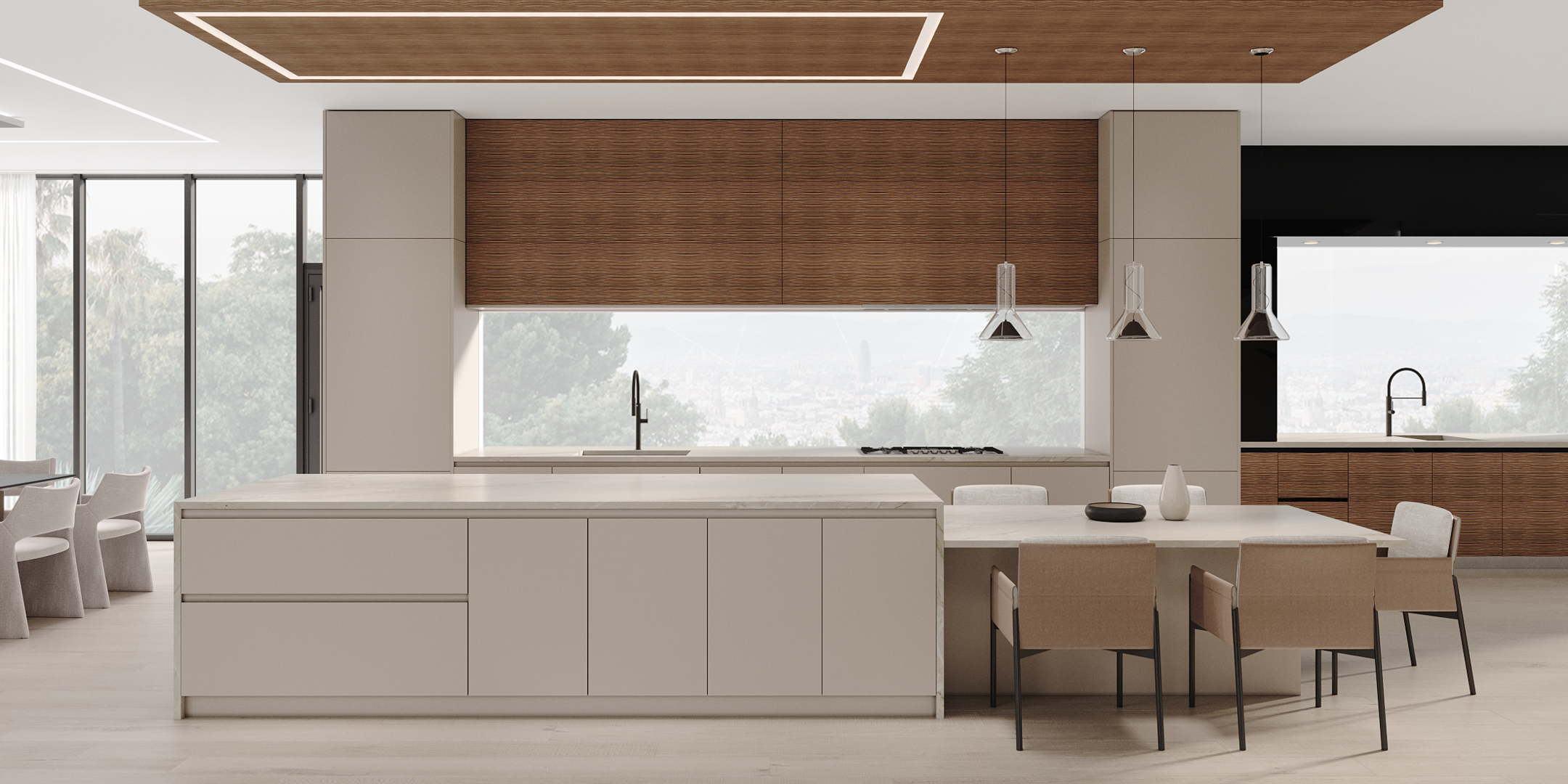
Responsibly Sourced and FSC-Certified Wood
Even the most efficient board starts as a tree. Responsible sourcing means that timber comes from forests managed for the long term, with attention to regrowth, biodiversity, and the communities who depend on those forests. The most recognized way to verify this is Forest Stewardship Council (FSC) certification, which tracks wood from a managed forest through the supply chain.
The scale here is meaningful. By the end of December 2025, FSC-certified forest area had surpassed 171 million hectares worldwide, having grown by more than 6%, over 12 million hectares, in a single year (FSC, 2025). German cabinet makers, working within a strict European regulatory environment, are well positioned to source from certified and responsibly managed supply chains, and many do.
A word of honesty, because this topic invites greenwashing: a certification on the timber does not automatically make an entire kitchen sustainable. It is one credential among several. The point is to look for verifiable sourcing claims you can check, FSC chain-of-custody being the clearest, rather than soft language like eco wood that means nothing in particular.
Durability as Sustainability
Here is the part that gets overlooked. The single greenest thing a kitchen can do is last. Every cabinet you do not have to replace is timber not harvested, resin not manufactured, a truck not driven, and a load not sent to the landfill. A kitchen that serves you well for 25 or 30 years is dramatically lower-impact than two or three cheaper kitchens fitted over the same span.
This is where build quality stops being a luxury talking point and becomes an environmental one. Industry guidance puts the typical kitchen lifespan somewhere in the 15 to 20 year range, but the materials and hardware swing that number hard in both directions. Lower-grade boards and bargain mechanisms can start failing in as little as 5 to 10 years, while solid construction and durable runners and hinges can keep a kitchen functional and good-looking for decades.
The mechanical parts matter as much as the boxes. Bauformat cabinets use full-extension soft-close runners and 3D-adjustable concealed hinges. The 3D adjustment is quietly important for longevity: doors can be realigned as a house settles, so a small sag becomes a two-minute fix rather than a reason to replace a front. Soft-close mechanisms reduce the daily slamming that wears out joints and finishes. None of this is glamorous, but it is exactly the kind of detail that decides whether a kitchen is still serving its second owner or sitting in a demolition bin.
Why early replacement is the real waste
- Embodied impact compounds. Replacing a kitchen twice doubles the timber, resin, finishing, and transport behind it.
- Repairable beats disposable. Adjustable hinges, replaceable runners, and refinishable surfaces extend useful life.
- Timeless design helps. Cabinets you do not tire of in five years are cabinets you keep.
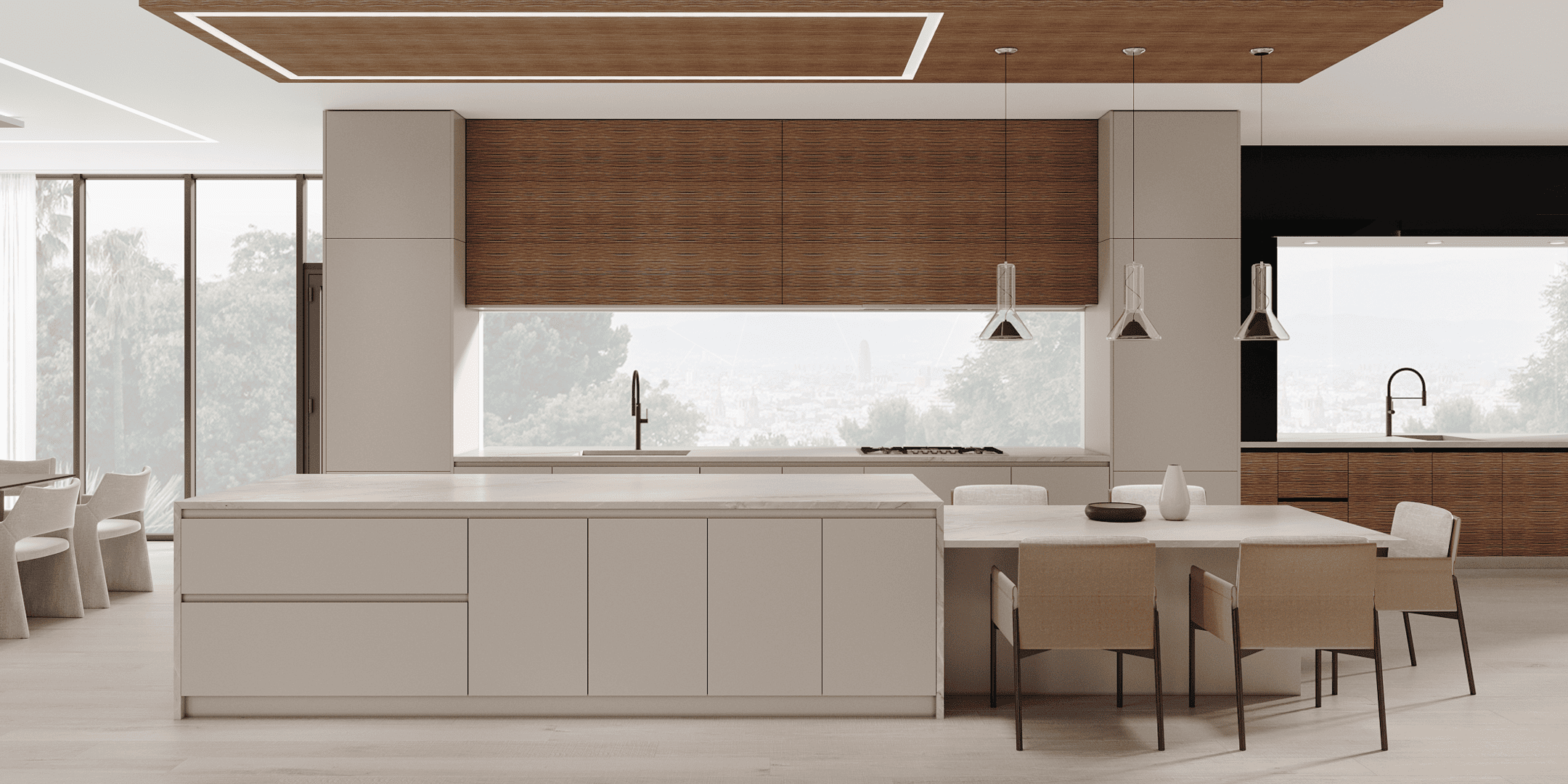
The Local Angle: Vancouver’s Waste Problem
Durability is not an abstract virtue in Metro Vancouver, it is a local policy concern. The City of Vancouver has set a Zero Waste 2040 goal, and building materials are squarely in its sights. In 2022, building materials made up 31% of the waste landfilled or incinerated by Vancouver residents and businesses, and wood alone accounted for roughly 46,000 tonnes a year (City of Vancouver, 2026).
That figure reframes what a renovation actually is. When an early teardown sends old cabinetry to the dump, it is part of that 31%. Choosing a kitchen built to last, and choosing it once, is one of the more practical ways a household can shrink its own contribution to that stream. For eco-conscious buyers in Yaletown, Kitsilano, the North Shore, and across the region, the most sustainable cabinet is the one that never becomes construction waste in the first place.
Efficient German Manufacturing
German cabinet production leans on a manufacturing culture built around precision and low waste. Bauformat has been making cabinets in Lohne since 1917, and that longevity reflects a process refined over generations. Two things tend to follow from precision engineering. First, tight tolerances mean less offcut and rework, because parts are cut and machined to fit the first time. Second, standardized, modular components are easier to produce efficiently and easier to service or replace later, which loops right back to durability.
There is also a logistics reality worth naming plainly, without overstating it. Shipping cabinets from Germany to British Columbia carries transport emissions, and it would be greenwashing to pretend otherwise. The honest sustainability case is not that overseas shipping is free of impact. It is that a single well-made kitchen that lasts 25 years, sourced responsibly and emitting little into your home, generally outperforms a closer-made kitchen that has to be torn out and rebuilt twice in the same period. Longevity and low emissions are the variables that move the needle most, and those are the ones to weigh.
What to Look For as an Eco-Conscious Buyer
It is easy to be told a kitchen is green. It is harder, and more useful, to know what to check. A few concrete questions separate genuine substance from marketing.
A practical checklist
- Emission class. Ask whether boards meet E1 at minimum, ideally the newer, lower European limit taking effect in 2026. Ask for documentation.
- Verified wood sourcing. Look for FSC or equivalent chain-of-custody, not vague sustainable wood wording.
- Hardware quality. Full-extension soft-close runners and adjustable concealed hinges signal a kitchen designed to be serviced and kept.
- Repairability. Can a single front, runner, or hinge be replaced, or does a fault mean a bigger teardown?
- Build for your climate. Stable engineered boards and quality finishes hold up better through coastal BC humidity, which extends real-world lifespan.
- Design you will still like later. A configuration you do not outgrow is the most sustainable specification of all.
Bauformat’s range gives room to make those choices well. Baulux brings ceramic, glass, and ultra-matte fronts; the core Bauformat collection offers the widest set of options; and Burger covers strong value. Across all of them, the durable build and serviceable hardware are what carry the sustainability argument, because they are what keep a kitchen out of the waste stream.
Frequently Asked Questions
Are engineered boards less sustainable than solid wood cabinets?
Not necessarily, and often the opposite. Engineered boards use timber efficiently and resist warping in humid coastal conditions, which helps a kitchen last. The variable that matters most is the resin and its emissions. A low-emission engineered board built to E1 or the stricter 2026 European limit can be both a sound environmental choice and a healthier one for indoor air.
What does the European E1 standard actually mean?
E1 is a formaldehyde emission class limiting release to roughly 0.124 mg/m3 (about 0.1 ppm) under EN 717-1 testing. It has been the European baseline for wood-based panels. From 6 August 2026, a tighter REACH limit of 0.062 mg/m3 applies to furniture and wood-based articles sold in the EU, half the old E1 level (TUV Rheinland, 2026).
How long should a quality German kitchen last?
Typical kitchens are often cited at 15 to 20 years, but materials and hardware drive that figure. Budget boards and mechanisms can falter in 5 to 10 years, while solid construction with durable runners and adjustable hinges can keep a kitchen working and looking good for several decades, which is the heart of the durability-as-sustainability case.
Does buying German cabinetry undercut its green benefits because of shipping?
Shipping does carry transport emissions, and that is real. The fuller picture is that a responsibly sourced, low-emission kitchen that lasts 25 years and is never torn out early usually has a lower overall impact than cheaper cabinetry replaced two or three times. Longevity and indoor air quality tend to outweigh the one-time freight footprint.
Sustainability in a kitchen is less about a single badge and more about a set of honest, checkable details: what the boards put into your air, where the wood came from, how well the hardware is built, and whether the whole thing is made to last long enough that you only buy it once. German-engineered cabinetry tends to score well on each of those, and in a city working hard to keep building materials out of its landfills, a kitchen you keep for decades is a quietly meaningful choice for a Metro Vancouver home.
Explore more from Bauformat BC
- Why Choose Long-Lasting Materials for Your Kitchen Cabinets
- Decoding German Kitchen Cabinets Vs. Italian Kitchen Cabinets
- Bauformat: Germany’s Elite Kitchen Cabinet Craftsmen
German cabinetry, planned and built for Metro Vancouver
The kitchen is one of the highest-return rooms in a home: the 2025 Cost vs. Value Report found a minor kitchen remodel recoups roughly 96% of its cost at resale. Choosing cabinetry that lasts is central to that return, which is where German engineering earns its place. Every Bauformat kitchen is manufactured in Germany, then measured, planned, and installed by our Vancouver team, built to fit your room to the millimetre.
See the Baulux, Bauformat, and Burger collections in person at our Yaletown showroom at 1014 Homer Street, learn more about the manufacturer at bauformat.de, and meet our local team at The Bau Team.
Book a 30-minute consultation with our Metro Vancouver kitchen designers to plan a kitchen built to last.
Anyone who has cooked in a downtown Vancouver condo knows the particular feeling of standing in the kitchen, holding a colander, and having nowhere to put it. The counter is already covered. The cabinet above is jammed. The drawer sticks halfway. In a city where space costs more per square foot than almost anywhere in Canada, that small daily friction adds up to real frustration.
The good news is that a compact kitchen does not have to feel cramped or chaotic. The difference between a kitchen that fights you and one that works with you usually comes down to what is happening inside the cabinets, not the size of the room. That is the heart of kitchen space optimization, and it is something German-engineered cabinetry was built to solve.
Key Takeaways
- Kitchen space optimization is mostly about cabinet interiors, not floor area. Full-extension pull-outs and smart organizers can reclaim the dead space hidden inside ordinary cabinets.
- Metro Vancouver condos are getting smaller, which makes every reclaimed inch more valuable for the people living in high-density neighbourhoods like Yaletown.
- Zoning your kitchen into prep, cook, clean, and store areas reduces wasted steps and makes a small footprint feel larger.
- Tall pull-out pantries, deep pan drawers, corner units, and drawer-in-drawer systems are the workhorses of small-space storage.
- A well-planned kitchen renovation is also one of the strongest returns you can make on a home, which matters in an expensive market.
Why Space Optimization Matters More in Metro Vancouver
Vancouver is the most densely populated city in Canada, with roughly 5,750 people per square kilometre, more than any other Canadian municipality with a population above 5,000 (Statistics Canada census data, 2025). Metro Vancouver as a whole passed three million residents in early 2025 and is projected to reach 3.8 million by 2046 (Metro Vancouver Regional District, 2025). More people on the same land base means more vertical living, and more vertical living means smaller kitchens.
The numbers bear this out. The median size of newer Metro Vancouver condos has been shrinking, with units built in the mid-2010s running about 16 percent smaller than those built between 1971 and 1990 (Business in Vancouver, 2025). When the room itself is getting tighter, the only way to gain usable storage is to be smarter about the space you already have. That is exactly where interior engineering earns its keep.
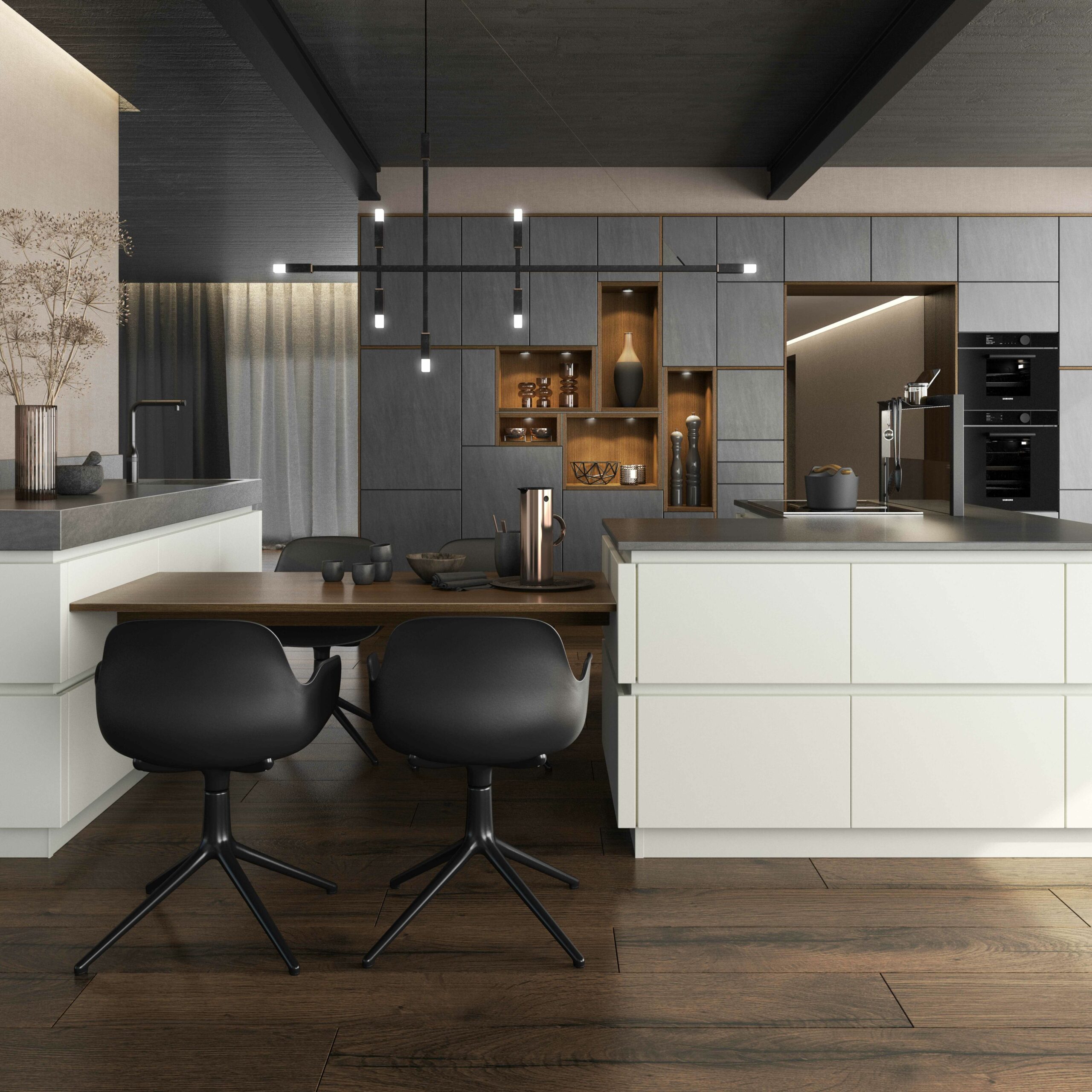
Start With Zoning and Workflow
Before you think about any single cabinet, think about how you actually move through your kitchen. Professional designers organize a kitchen into zones, and the principle works just as well in a 600 square foot condo as it does in a sprawling home.
The five working zones
- Consumables: dry goods, canned items, and snacks, ideally grouped in one tall pantry pull-out.
- Non-consumables: dishes, glasses, and everyday tableware, stored close to the dishwasher.
- Cleaning: the sink, dishwasher, recycling, and the cabinet underneath for cloths and cleaners.
- Preparation: your main run of counter, with knives, boards, and bowls in the drawers directly below.
- Cooking: the cooktop and oven, with pots, pans, and utensils within arm’s reach.
When each item lives in the zone where you use it, you stop crossing the room for a colander. In a galley or single-wall condo kitchen, good zoning is the single biggest thing that makes a tight layout feel calm rather than cluttered. It costs nothing extra. It just requires planning the interiors around how you cook, which is the part of the process our Vancouver team works through with every client.
Tall Pull-Out Pantries: The Vertical Win
In a small kitchen, a traditional pantry cupboard is often a poor use of space. You can see the front row of items, but everything behind disappears into the dark. A tall pull-out pantry flips this. The entire unit glides out toward you on full-extension soft-close runners, so the back of the cabinet becomes as reachable as the front.
For a condo with limited cabinet runs, this is one of the most efficient things you can install. A single narrow column, sometimes as little as 30 centimetres wide, can hold an astonishing amount when it pulls out and gives you access from both sides. Shelves stay visible, nothing gets lost behind a forgotten can, and you reclaim the deep dead zone that ordinary pantries waste. Across the Bauformat, Baulux, and Burger collections, these tall units are designed to use the full height of the cabinet, floor to top.

Deep Drawers Beat Deep Cupboards
If there is one upgrade that changes how a small kitchen feels every single day, it is replacing lower door cabinets with deep drawers. A standard base cabinet with a door and a shelf forces you to crouch, reach into the dark, and shuffle pots to find the one at the back. A deep pan drawer brings everything to you.
Why drawers win in tight kitchens
- Full visibility: open the drawer and every pot, lid, and pan is in plain sight.
- Full-extension access: the drawer pulls all the way out, so nothing hides at the back.
- Soft-close runners: drawers glide shut quietly, which matters in an open-plan condo where the kitchen shares the room.
- Heavy-load capacity: well-built runners carry stacked cookware and full dish sets without sagging.
For tableware and utensils, a drawer-in-drawer system adds a shallow second tier inside a deep drawer, so cutlery and small tools sit above your pots without claiming a separate cabinet. In a kitchen with only a handful of base units, that hidden second layer can be the difference between a tidy drawer and a junk pile.
Conquering the Corner
Every kitchen with an L-shaped or U-shaped layout has a corner, and the corner is where storage usually goes to die. A blind corner cabinet swallows your stockpot into a void you can only reach by lying half inside it. In a small kitchen, you cannot afford to lose that volume.
Engineered corner solutions fix this completely. Swing-out and pull-out corner units bring the contents into the open with a single motion, so the back of the corner travels out to meet you. Curved shelving systems rotate, and articulated trays fold forward as the door opens. Whichever style suits your layout, the goal is the same. The corner stops being wasted cubic footage and starts pulling its weight, which in a compact condo kitchen can mean an extra cabinet’s worth of usable storage you already paid for.
Going Vertical: Full-Height Cabinetry
When floor space is fixed, the only direction left is up. Many older kitchens stop the upper cabinets short and leave a strip of dead space, often a dust-collecting gap, between the cabinet top and the ceiling. Full-height cabinetry runs all the way up, turning that wasted band into real storage.
The top shelves are perfect for the things you reach for a few times a year, like seasonal serving platters, the big roasting pan, or holiday dishware. Keeping those items up high frees the prime, eye-level and waist-level zones for everyday essentials. In a condo with tall ceilings, which many newer Vancouver buildings have, going full-height can add a surprising amount of capacity without claiming a single extra centimetre of floor. Tall units paired with concealed, 3D-adjustable hinges keep the doors aligned and the lines clean, even on a long vertical run.
Other vertical tricks worth using
- Lift-up upper doors: hinged to swing up and out of the way, ideal when the kitchen opens onto a living area and a swinging door would be awkward.
- Interior dividers: vertical slots that store baking sheets and cutting boards upright instead of stacked flat.
- Toe-kick drawers: the strip of space beneath your base cabinets, reclaimed for flat items like trays and linens.
Islands, Peninsulas, and Small-Space Tactics
Not every condo has room for a full island, but many can fit a peninsula or a compact island that does double duty. The secret is to treat it as storage first and surface second. A peninsula can hold deep drawers on the kitchen side and open shelving or seating on the living side, giving you a prep surface, a casual eating spot, and a wall of storage in one piece of cabinetry.
For the smallest layouts, a few targeted moves go a long way:
- Carry one wall up to full height rather than spreading short cabinets around the whole room.
- Choose drawers over doors on every base cabinet you can.
- Use the inside of cabinet doors for slim organizers that hold wraps, lids, or spices.
- Keep counters clear by giving small appliances a dedicated home behind a cabinet door, so the working surface stays open for actual cooking.
This kind of planning is also a sound investment. A 2025 national report found that a minor kitchen remodel returned roughly 96 percent of its cost at resale, among the strongest returns of any home project (Remodeling Cost vs. Value Report, 2025). In a market as expensive as Vancouver, a kitchen that stores more and works better is rarely money spent. It is money parked somewhere it tends to come back.
Frequently Asked Questions
How do I get more storage in a small condo kitchen without renovating the whole space?
Focus on the interiors. Swapping lower door cabinets for deep pull-out drawers, adding a tall pantry pull-out, and fitting a corner solution can roughly double the usable storage of the cabinets you already have, all without moving a single wall. Going full-height on at least one cabinet run captures the dead space near the ceiling too.
Are deep drawers really better than cupboards for pots and pans?
For most people, yes. A deep drawer pulls fully out so you can see and reach everything at once, while a cupboard hides the back row behind whatever is in front. Drawers also spare you the daily crouch-and-dig. With heavy-duty soft-close runners, they handle stacked cookware easily and close quietly, which is a real benefit in open-plan condos where the kitchen is part of the living space.
What is the smartest fix for a blind corner cabinet?
A dedicated pull-out or swing-out corner unit. Instead of reaching blindly into a void, you pull a mechanism that brings the entire contents forward into the light. In a compact kitchen, recovering that corner can give you back the equivalent of a whole extra cabinet that was previously unusable.
Does German-engineered cabinetry actually fit smaller kitchens?
It tends to suit them especially well. Because the interior hardware, pull-outs, and organizers are designed to extract every usable inch, the value is highest exactly where space is tightest. Cabinetry made in Germany since 1917 is measured, planned, and installed by a local Vancouver team, so the layout is built around your specific room rather than forced to fit a generic box.
A small kitchen is not a limitation so much as a design problem with good answers. Once the corners stop swallowing your cookware, the pantry pulls out instead of hiding things in the dark, and every base cabinet works as a drawer, even a modest Yaletown condo kitchen can hold more and feel calmer than rooms twice its size. The space was always there. It just needed to be engineered to give it back.
Explore more from Bauformat BC
- Modern Kitchen Design
- Kitchen Cabinet Hardware
- Unveiling the Top 5 Compact Kitchen Island Designs from Bauformat, You Can’t Ignore
German cabinetry, planned and built for Metro Vancouver
The kitchen is one of the highest-return rooms in a home: the 2025 Cost vs. Value Report found a minor kitchen remodel recoups roughly 96% of its cost at resale. Choosing cabinetry that lasts is central to that return, which is where German engineering earns its place. Every Bauformat kitchen is manufactured in Germany, then measured, planned, and installed by our Vancouver team, built to fit your room to the millimetre.
See the Baulux, Bauformat, and Burger collections in person at our Yaletown showroom at 1014 Homer Street, learn more about the manufacturer at bauformat.de, and meet our local team at The Bau Team.
Book a 30-minute consultation with our Metro Vancouver kitchen designers to plan a kitchen built to last.
A kitchen is one of the few rooms you use every single day, often before your first coffee and again long after dinner. Drawers get yanked open with wet hands, doors get bumped by hips and grocery bags, and the cabinet under the sink quietly lives in a damp little microclimate of its own. After a few years, the difference between a kitchen that still feels solid and one that feels tired comes down to something most people never see when they sign off on a design: the materials underneath the finish.
In Metro Vancouver, where the air sits above 70 per cent relative humidity on average for much of the year (Weather and Climate, 2025), that difference shows up faster. Moisture is patient. It finds the weak edge, the cheap board, the hinge that was never built to be adjusted. So before you fall for a colour or a handle, it is worth understanding what actually makes a cabinet last, and how to tell good construction from a good photograph.
Key Takeaways
- The carcass board is the foundation. A dense, moisture-resistant board (EN 312 P3 grade or better) is what keeps a cabinet square and swelling-free in a coastal climate.
- Edges and fronts do the visible work. Tightly bonded edge banding and well-built door fronts, whether lacquer, ceramic, glass or real wood, are where wear and moisture try to get in first.
- Hardware decides the daily feel. Full-extension soft-close runners and adjustable concealed hinges are the parts you touch thousands of times a year, so they have to be engineered, not afterthoughts.
- Durability is a value and sustainability decision. With Vancouver kitchen renovations commonly running 35,000 to 85,000 dollars (Quay Construction, 2025), a cabinet that lasts 25 years instead of 12 is both cheaper per year and far kinder to the landfill.
- German engineering is built around longevity. Bauformat has been made in Lohne, Germany since 1917, with construction standards aimed at decades of use rather than a single trend cycle.
Start with the Carcass: the Board Nobody Sees
The carcass, or cabinet box, is the structural skeleton of every unit. It carries the weight of your dishes, holds the hinges and runners in place, and keeps everything square so doors close flush years from now. Yet it is the one component buyers almost never inspect, because it disappears the moment the doors go on.
Most quality cabinet boxes are made from engineered wood panels rather than solid timber, and that is not a compromise. Solid wood expands and contracts with humidity, which can crack panels and throw doors out of alignment. A well-made engineered board stays dimensionally stable. The key is density and moisture resistance.
What to look for in a carcass board
- Moisture resistance: Look for board rated to the European EN 312 P3 standard, which is designed for non-load-bearing use in humid areas and resists swelling when exposed to temporary higher humidity (Pfleiderer, 2025). In a Vancouver kitchen, that rating is not a luxury, it is the baseline.
- Density: A denser board holds screws and hinge mounts more firmly, so hardware does not loosen and sag over time. Lift a sample drawer if you can. Quality construction has a reassuring heft.
- Thickness: Sturdier side panels and backs resist racking, the slow twisting that makes old cabinets feel loose.
Plywood and MDF carcasses typically last 20 to 30 years depending on moisture exposure and daily use, while cheaper untreated particleboard can break down in a fraction of that time once water finds its way in (Coohom, 2025). The board is invisible, but it sets the ceiling on how long the whole kitchen can last.
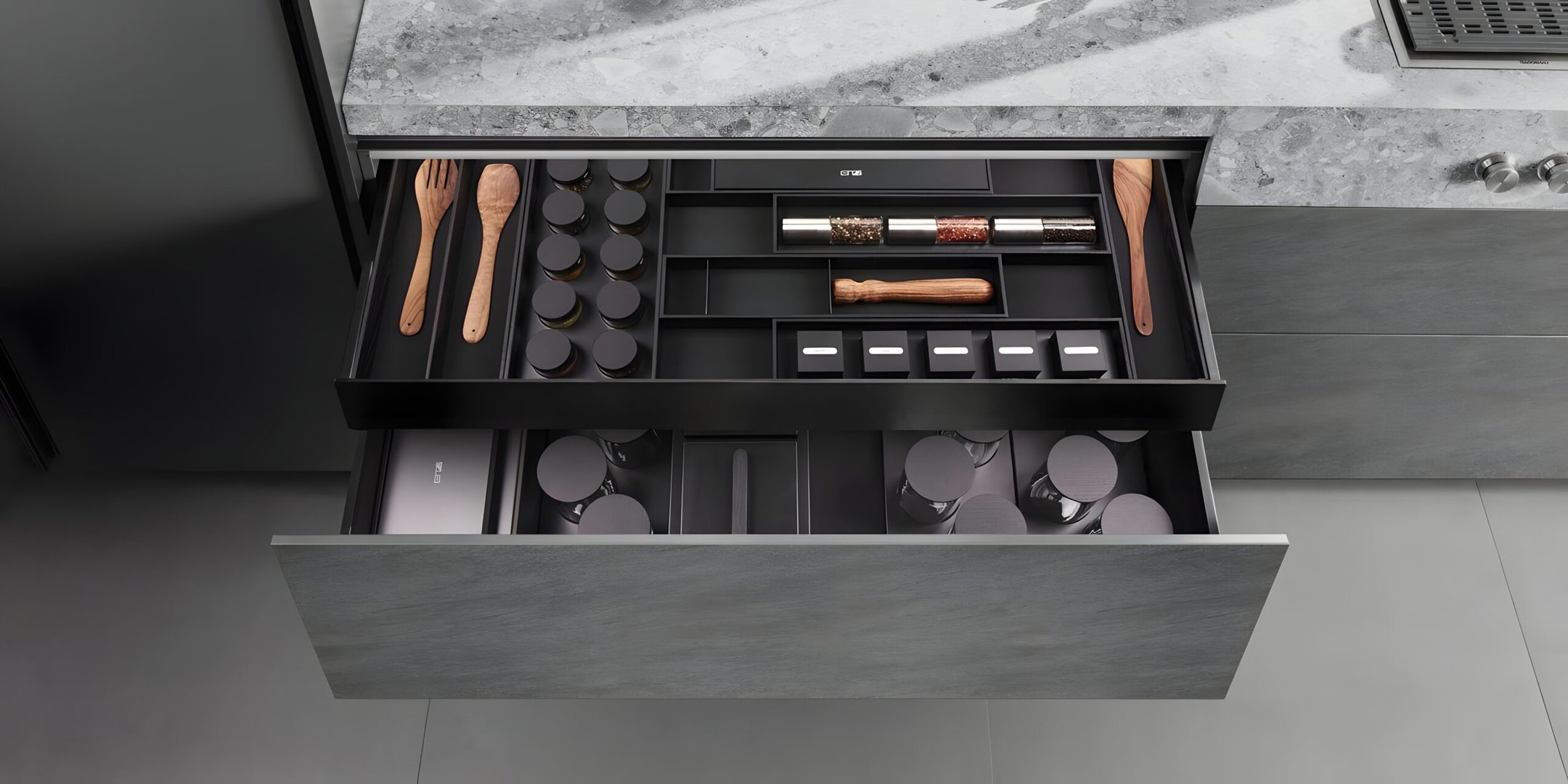
Edge Banding: the Detail That Quietly Decides Everything
If the carcass is the skeleton, edge banding is the skin that protects it. Engineered boards are vulnerable along their cut edges, where the core is exposed. Edge banding seals those edges so moisture, steam and spills cannot soak in. It is a small strip of material, and it is one of the most reliable ways to judge a cabinet’s real quality.
Cheap edge banding is glued on with ordinary adhesive that, over years of humidity and dishwasher steam, lets go at the corners. Once an edge lifts, water wicks into the board and the swelling begins. Better cabinets use thicker, tightly bonded banding, often laser or hot-air applied, so the seam between band and surface is nearly invisible and far more durable.
How to test it in a showroom
- Run a fingernail along the top edge of a door and drawer. You should feel a smooth, continuous surface, not a ridge or a gap.
- Check the inside corners of cabinet boxes, especially near the sink base, the wettest spot in any kitchen.
- Ask what the banding is made of and how it is bonded. A confident answer is a good sign.
Door Fronts: Where Style Meets Longevity
Fronts are what you see, touch and clean every day, so they take the most visible abuse. Each material ages differently, and the right choice depends partly on how you cook and live.
Lacquer
Multi-coat lacquer, whether high-gloss or ultra-matte, gives a deep, even finish that resists moisture and cleans easily. Quality matters here: the number of coats and the curing process determine how well the surface resists scratching and yellowing. Ultra-matte lacquers, like those in the Baulux collection, also use anti-fingerprint technology so the surface does not show every touch in a busy family kitchen.
Ceramic and Glass
Ceramic and glass fronts are about as durable as kitchen surfaces get. They shrug off heat, moisture, UV fading and most scratches, and they wipe clean with a cloth. They carry a more premium feel and price, which is why they anchor the Baulux range. In a damp climate, their imperviousness to moisture is a genuine practical advantage, not just a design statement.
Real Wood
Solid wood and veneer fronts bring warmth and natural grain that engineered surfaces cannot fully imitate. They can last for decades and can often be refinished. They do ask for a little more care around moisture and direct sun, but a properly sealed wood front in a well-ventilated kitchen ages beautifully.
Across all of these, the lesson is the same: the surface you choose should match your life. Custom and premium fronts can stay functional for 30 years or more, while thinner laminate and foil fronts tend to show wear in the 10 to 20 year range (Coohom, 2025). The Bauformat collection offers the widest spread of fronts, and the Burger collection delivers durable construction at the best value, so longevity is available at more than one budget.
Hardware: the Parts You Touch Thousands of Times
You open a kitchen drawer several times a day without thinking about it. Multiply that over years and the hardware quietly becomes the hardest-working component in the room. It is also the first thing to fail in a poorly built kitchen: drawers that scrape, doors that drop, runners that stick.
Good hardware is engineered to absorb that repetition. The features that matter most:
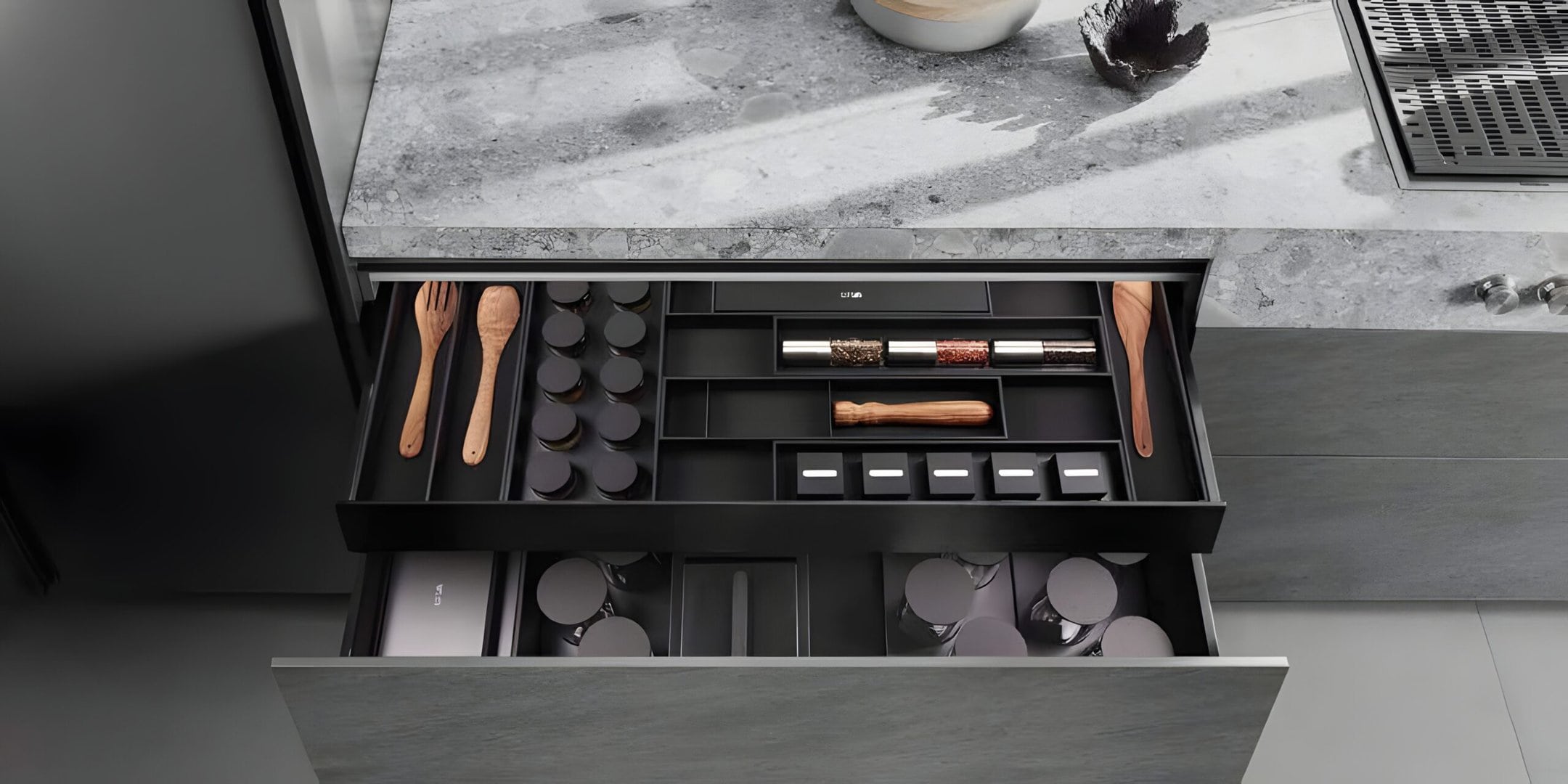
- Full-extension soft-close runners: Full extension means you can reach the very back of a deep drawer, so no storage is wasted. Soft-close means the drawer pulls itself shut gently instead of slamming, which protects both the contents and the cabinet over the long run. Bauformat fits these as standard.
- 3D-adjustable concealed hinges: Concealed hinges keep clean lines, but the real advantage is adjustability. A 3D-adjustable hinge lets your installer fine-tune each door in three directions, so the gaps stay even and the doors keep closing perfectly years after install, even as a house settles. In an older Vancouver home that shifts with the seasons, that adjustability is a quiet form of insurance.
Hardware quality is hard to fake and easy to test. Open and close. A well-made runner feels smooth and weighted. A cheap one tells you everything in the first inch of travel.
Durability and the Coastal Climate Factor
Everything above matters more here than it would in a dry interior climate. Metro Vancouver’s average relative humidity runs around 70 per cent and climbs past 80 per cent in the wettest winter months (Weather and Climate, 2025). That constant moisture in the air, combined with steam from cooking and dishwashing, is exactly what untreated boards and weak edges cannot handle.
In practice, the damp coast punishes shortcuts. A standard particleboard carcass with thin, lightly glued edge banding may look identical to a premium cabinet on day one. Two or three winters later, the difference is obvious: swollen edges near the sink, doors that no longer line up, a faint musty note under the counter. Moisture-resistant board, sealed edges and adjustable hardware are not upgrades in this region. They are what keeps a kitchen looking new through a decade of West Coast winters.
There is also a ventilation lesson worth noting. Even the best materials last longer with a good range hood and the occasional open window. Materials do the heavy lifting, but habits help them.
Durability as a Value and Sustainability Decision
It is tempting to treat durability as a quality preference, the sort of thing that is nice if you can afford it. The numbers tell a more practical story.
A full kitchen renovation in Vancouver commonly runs between 35,000 and 85,000 dollars, with high-end projects passing 100,000 dollars, and cabinets alone often account for 30 to 40 per cent of the total budget (Quay Construction, 2025; Magic Window, 2025). Spread that over the life of the cabinets and the math becomes clear. A cabinet that genuinely lasts 25 years costs far less per year than one that needs replacing at 12, even if the upfront price is higher. Durability is not the expensive choice, it is usually the economical one over time.
Then there is what gets thrown away. Canada’s construction, renovation and demolition sector generates roughly 4 million tonnes of waste a year, and a single kitchen remodel can produce 1 to 2 tonnes of material waste on its own (Miller Waste Systems, 2025). Replacing a kitchen twice instead of once doubles that footprint. The most sustainable kitchen is simply the one you do not have to tear out and rebuild.
This is where engineering and longevity meet. Bauformat has been built in Lohne, Germany since 1917, with construction standards aimed at decades of daily use, and in Metro Vancouver it is measured, planned and installed by a local team that understands how these materials behave in our climate. Buying once and buying well is the version of this decision that is easiest on both your budget and the landfill.
Frequently Asked Questions
How long should a quality kitchen last?
Well-built cabinets made from dense, moisture-resistant materials commonly last 20 to 30 years, and premium fronts and solid construction can stay functional for 30 years or more (Coohom, 2025). Many kitchens get replaced earlier for style reasons rather than failure, which is an argument for choosing timeless finishes alongside durable materials.
Are engineered boards worse than solid wood for cabinets?
No. For cabinet boxes, a quality moisture-resistant engineered board is often more stable than solid wood, because it does not expand and contract with humidity the way solid timber does. The grade of the board matters far more than the label. Look for moisture resistance to the EN 312 P3 standard or better (Pfleiderer, 2025).
Does Vancouver’s damp climate really affect cabinet life?
Yes. With average humidity around 70 per cent and winter levels above 80 per cent (Weather and Climate, 2025), moisture is a constant. Untreated boards and weakly bonded edges swell and fail faster here than in drier regions, which is why moisture-resistant construction and sealed edge banding are worth prioritizing on the coast.
What is the single best indicator of a durable cabinet?
If you can only check one thing, check the edges and the hardware together. Smooth, tightly bonded edge banding signals a sealed, moisture-protected box, and smooth, weighted soft-close runners signal engineering that will hold up. Both are easy to test by hand and hard to fake.
Choosing long-lasting kitchen cabinet materials is really a series of small, informed decisions: a denser board, a better-sealed edge, a front matched to how you cook, hardware built to be adjusted rather than replaced. Made individually, each feels minor. Added together, they are the difference between a kitchen that survives a decade of damp Vancouver winters and one that quietly looks great for a generation.
Explore more from Bauformat BC
- Kitchen Cabinet Hardware
- Why Opt for Economical Kitchen Cabinet Materials?
- Bauformat: Germany’s Elite Kitchen Cabinet Craftsmen
German cabinetry, planned and built for Metro Vancouver
The kitchen is one of the highest-return rooms in a home: the 2025 Cost vs. Value Report found a minor kitchen remodel recoups roughly 96% of its cost at resale. Choosing cabinetry that lasts is central to that return, which is where German engineering earns its place. Every Bauformat kitchen is manufactured in Germany, then measured, planned, and installed by our Vancouver team, built to fit your room to the millimetre.
See the Baulux, Bauformat, and Burger collections in person at our Yaletown showroom at 1014 Homer Street, learn more about the manufacturer at bauformat.de, and meet our local team at The Bau Team.
Book a 30-minute consultation with our Metro Vancouver kitchen designers to plan a kitchen built to last.
Open a drawer. Close a cabinet door. You probably do this a few hundred times a day without thinking about it, which is exactly the point. The hardware inside a kitchen is the part you touch more than any other, and yet it is the part most people never see. A door that drifts shut without a slam, a heavy pan drawer that glides out to its full length and stops gently, a corner cabinet that actually gives up the pot hiding at the back. These small moments add up to whether a kitchen feels good to live in.
They also decide how long that kitchen lasts. Countertops and door fronts get the attention in a showroom, but it is the hinges and runners doing the quiet work for fifteen, twenty, thirty years. In a region like Metro Vancouver, where a renovation is a serious investment and homes are held for the long term, the hardware is where good engineering pays you back every single day. Here is what to look for, and why the difference is bigger than it first appears.
Key Takeaways
- Hardware is the part you use most. Hinges and runners get opened and closed hundreds of times daily, so their quality shapes daily life more than any finish.
- Soft-close is now a baseline expectation, not a luxury. The mechanism protects doors, drawers, and your patience for decades.
- 3D-adjustable hinges keep doors aligned over time, which matters in homes that settle and in our humid coastal climate.
- Full-extension runners earn their keep by giving you the whole drawer, including the back, with no reaching or guessing.
- Interior organization is where ergonomics lives: pan drawers, pull-outs, and corner solutions turn dead space into usable storage.
Why Hardware Quality Decides How Long a Kitchen Lasts
Cabinet performance is measurable, and the standards are stricter than most people realize. Under the ANSI/KCMA A161.1 certification, doors are swung open and closed through a full ninety degrees for 25,000 cycles, and drawers are loaded and operated 25,000 times, all without failure or loosening (KCMA, 2025). That is the floor, not the ceiling. Better hardware is engineered well beyond it, which is why a quality kitchen still feels tight and quiet long after a budget one has started to sag and rattle.
This matters financially too. A focused, well-built kitchen update returns roughly 96.1 percent of its cost at resale, the strongest payback of any common renovation according to the 2025 Cost vs. Value Report (Zonda Media, 2025). Hardware is a big part of why. Buyers and appraisers notice when drawers glide and doors sit perfectly square, even if they cannot name what they are reacting to. In Metro Vancouver, where a mid-range kitchen renovation commonly runs from 35,000 to 90,000 dollars (180 Kitchens, 2026), protecting that investment with hardware built to outlast the trends is simply sound math.
Bauformat has been made in Germany since 1917, and that long manufacturing history shows up most clearly in the parts you cannot see. The hinges, runners, and storage systems are specified to perform for the life of the kitchen, not just to pass inspection on installation day.

Concealed Soft-Close Hinges, and Why 3D Adjustment Matters
The hinge is the hardest-working joint in your kitchen. A good one disappears completely. Concealed hinges sit fully inside the cabinet when the door is closed, so you see a clean run of fronts with no metal interrupting the line. That clean look is the easy part. The engineering is what keeps it that way.
Soft-close, explained simply
A soft-close hinge has a small damper built in. As the door approaches the frame, the mechanism catches it and eases it shut over the last few centimetres. No bang, no bounce, no pinched fingers. Beyond the obvious comfort, this protects the door front and the cabinet box from thousands of small impacts over the years. A door that is slammed shut a dozen times a day ages quickly. A door that is guided shut does not.
What 3D adjustability buys you
Houses move. Wood expands and contracts, foundations settle, and Metro Vancouver’s damp coastal air adds its own seasonal swing. A 3D-adjustable hinge lets the installer fine-tune a door on three axes: side to side, up and down, and in and out. The practical result is that every door sits perfectly aligned, with consistent gaps, and stays that way. If a door drifts out of line a year or two down the road, it can be brought back true with a turn of a screwdriver rather than a service call and replacement parts. Bauformat’s 3D-adjustable concealed hinges are standard across the Baulux, Bauformat, and Burger collections for exactly this reason.
Full-Extension Soft-Close Drawer Runners
Here is a test worth doing in any showroom. Open a drawer all the way and look at how much of it you can actually reach. With a partial-extension runner, the back several inches stay hidden inside the cabinet, which is where forgotten lids and spare batteries go to disappear. A full-extension runner pulls the entire drawer clear of the cabinet, so the back of the drawer is as usable as the front.
Combine that with a soft-close damper and load it with a stack of plates, and the difference in daily life is hard to overstate. The drawer glides out smoothly under weight, then closes itself the last bit of the way without a slam, no matter how full it is or how distracted you are. The best runners are rated to carry serious loads, which is what makes deep pan drawers practical instead of a strain to open.
What good runners feel like
- Smooth under load. A heavy drawer should move with one finger, not a tug.
- Quiet. No metallic scraping, no rattle when you close the drawer next to it.
- Consistent. The soft-close should engage every time, whether the drawer is empty or packed.
- Stable when fully open. No tipping, no sag at the front, even at full extension.
Bauformat fits full-extension soft-close runners as standard, so the deep drawers that do the real storage work in a modern kitchen are genuinely pleasant to use.

Handles or Handleless: A Real Choice, Not Just a Look
How you open a cabinet is a design decision and an ergonomic one. Both approaches work beautifully when the hardware behind them is right.
Handles and knobs
A handle gives you something definite to grip, which many people prefer, especially on heavy drawers and for anyone who finds a flat front harder to manage. Handles are also a quick way to change a kitchen’s character. A slim bar reads modern, a rounded knob reads softer and more classic. Because they are easy to swap, handles let you refresh the look years later without touching the cabinets.
Handleless
Handleless designs remove the hardware from the equation entirely, leaving an uninterrupted run of fronts. There are two common ways to achieve it: a continuous recessed channel along the top edge of the drawer or door that your fingers tuck into, or a push-to-open mechanism that releases the door with a light press. The look is calm and architectural, and it suits the clean lines of a lot of Vancouver condos and contemporary homes. It also means no handles to catch a sleeve or a hip in a tight galley kitchen. Bauformat offers both handle and handleless options across its collections, so the choice can follow your space and how you cook rather than being dictated by the cabinets.
Interior Organization: Where Ergonomics Actually Live
A kitchen is only as good as how easily you can get to your things. This is the part of the hardware story that quietly transforms how a space works, and it is where thoughtful planning separates a kitchen that looks good from one that lives well.
Pan drawers
Deep drawers under the hob hold pots, pans, and lids far better than a low cabinet with a single shelf. You see everything from above, you lift nothing out of the way to reach the back, and full-extension runners mean the whole drawer comes to you. For most cooks this single change is the biggest day-to-day upgrade in a new kitchen.
Pull-outs
Tall, narrow pull-outs make use of slivers of space that would otherwise be wasted, and they bring the contents out to where you can see and reach them. They are ideal for oils and bottles beside the hob, or for a slim larder of dry goods. Under-sink pull-outs tame the most chaotic cabinet in any kitchen.
Corner solutions
The corner cabinet is the classic problem: a deep, awkward cavity where things vanish. Modern corner systems solve it with shelves that swing or pull fully out of the cabinet, bringing the back corner into the open. Instead of crawling halfway into a cupboard, you pull the contents toward you. In smaller Metro Vancouver kitchens, where every cubic inch counts, reclaiming the corner is often the difference between cramped and comfortable.
What to Look For When You Compare Hardware
Door fronts and finishes are easy to judge by eye. Hardware takes a little more attention, because the qualities that matter are about how it works over time. Use this as your checklist.
- Soft-close on everything. Doors and drawers should all close themselves gently. Test a few and listen.
- Full extension on drawers. Confirm you can reach the very back, then load one and feel how it moves.
- 3D-adjustable hinges. Ask whether doors can be realigned later. The answer tells you how the kitchen will age.
- Load ratings that match real life. Pan drawers carry weight. The runners need to be specified for it.
- Certified construction. Standards like ANSI/KCMA A161.1 confirm the cabinets and hardware have been cycle-tested, not just assembled to look right.
- Local measuring and installation. Even excellent hardware underperforms if it is fitted poorly. A kitchen measured, planned, and installed by a local team is set up correctly from the start.
This last point is easy to overlook. Bauformat kitchens in our region are measured, planned, and installed by the local Vancouver team, which means the 3D hinges are dialled in, the runners are level, and the soft-close behaves as engineered on day one. Hardware quality and installation quality are two halves of the same result.
Frequently Asked Questions
Is soft-close hardware worth the extra cost?
For most people, yes, and increasingly it is simply standard on quality cabinetry rather than an upgrade. Beyond the comfort of no slamming, the damper protects doors and drawer boxes from thousands of small impacts over the years, which extends the life of the kitchen. Given that a well-built kitchen update returns roughly 96.1 percent of its cost at resale (Zonda Media, 2025), the small premium for hardware that lasts is easy to justify.
How long should good cabinet hardware last?
Certified cabinet hardware is tested to survive at least 25,000 open-and-close cycles under load without failing (KCMA, 2025), and premium German hardware is engineered well beyond that threshold. In practice, quality hinges and runners are built to perform for the full life of the kitchen, often two to three decades, provided they are installed correctly.
Should I choose handles or go handleless?
Both work well. Choose handles if you like a definite grip, want easy changes to the look later, or have heavy drawers that benefit from a solid pull. Choose handleless for a clean, architectural front and for tight kitchens where protruding handles get in the way. It is genuinely a preference, so it helps to try both in person and see which suits how you cook.
Can cabinet doors be realigned if they drift over time?
With 3D-adjustable concealed hinges, yes, and easily. The door can be fine-tuned side to side, up and down, and in and out with a screwdriver. This matters in Metro Vancouver, where seasonal humidity and normal house movement can shift things slightly. Adjustable hinges mean a small tweak rather than a replacement.
The hardware is the part of a kitchen you never compliment out loud and never stop relying on. Get it right and you stop noticing it entirely, which is the highest praise a hinge can earn. Choose soft-close throughout, full-extension runners on the drawers that carry weight, adjustable hinges that keep everything square, and interior storage planned around the way you actually cook. Done well, and fitted carefully by a team who knows the homes here, it is the difference between a kitchen that looks new and one that keeps feeling new for decades.
Explore more from Bauformat BC
- Why Choose Long-Lasting Materials for Your Kitchen Cabinets
- Why Opt for Economical Kitchen Cabinet Materials?
- Bauformat: Germany’s Elite Kitchen Cabinet Craftsmen
German cabinetry, planned and built for Metro Vancouver
The kitchen is one of the highest-return rooms in a home: the 2025 Cost vs. Value Report found a minor kitchen remodel recoups roughly 96% of its cost at resale. Choosing cabinetry that lasts is central to that return, which is where German engineering earns its place. Every Bauformat kitchen is manufactured in Germany, then measured, planned, and installed by our Vancouver team, built to fit your room to the millimetre.
See the Baulux, Bauformat, and Burger collections in person at our Yaletown showroom at 1014 Homer Street, learn more about the manufacturer at bauformat.de, and meet our local team at The Bau Team.
Book a 30-minute consultation with our Metro Vancouver kitchen designers to plan a kitchen built to last.
Stand in two different kitchen showrooms on the same afternoon and you can feel the difference before anyone says a word. One room is quiet and exact, with drawers that close like they were measured to the millimetre. The other is warm and theatrical, full of bold colour, sculptural shapes, and finishes that look like they belong in a fashion magazine. Both are beautiful. They are just chasing different things.
That contrast is the heart of the German versus Italian kitchen cabinet question. It is less a fight over quality and more a difference in temperament. German cabinetry leans on precision engineering, function, and durability built to last decades. Italian cabinetry leans on expressive style and finishes that move with fashion. If you are renovating a home anywhere across Metro Vancouver, understanding that split helps you choose with confidence instead of guessing. Here is a fair, useful look at both, and an honest note on why German engineering tends to fit our coast.
Key Takeaways
- Two philosophies, not two quality tiers. German cabinetry prioritizes engineering, modular systems, and longevity. Italian cabinetry prioritizes expressive, fashion-led design.
- Germany leads the world in kitchen furniture exports, a reputation built on standardized precision and durability rather than seasonal trend.
- Italy leads Europe in overall furniture and design revenue, with real strength in the high-end, style-driven kitchen segment.
- Climate matters here. Metro Vancouver’s damp, humid winters reward moisture-resistant construction and hardware that stays aligned for years.
- Bauformat is made in Germany and fitted locally, so you get German engineering measured, planned, and installed by a Vancouver team that knows our homes.
Two Design Philosophies, Side by Side
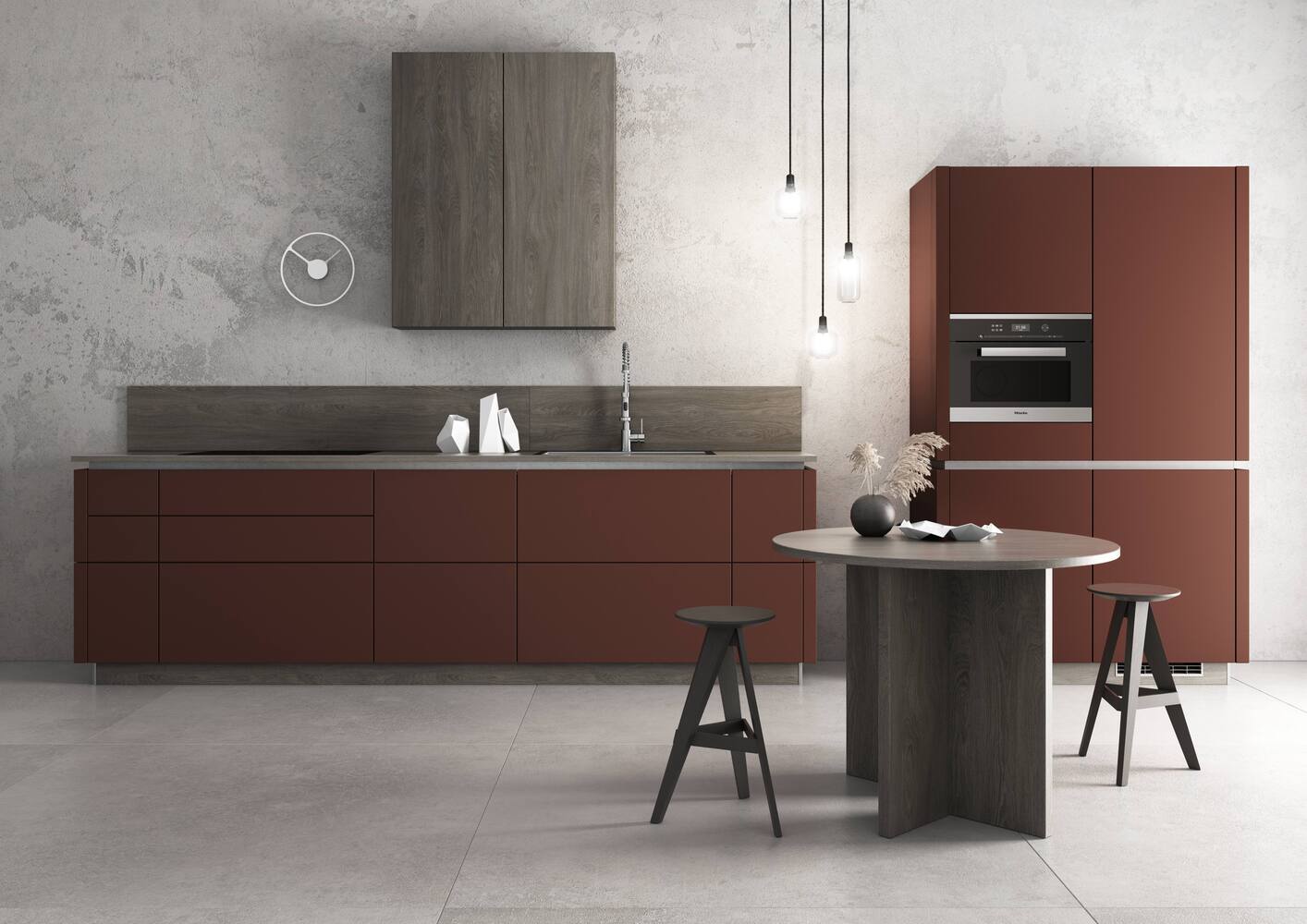
The simplest way to understand the difference is to think about what each tradition treats as the starting point. German design starts with the system. Everything is built on standardized dimensions, repeatable construction, and components that fit together with very little tolerance for error. The look follows the function. Clean lines, handleless fronts, and restrained colour palettes are not just a style choice, they are what happens when engineering leads.
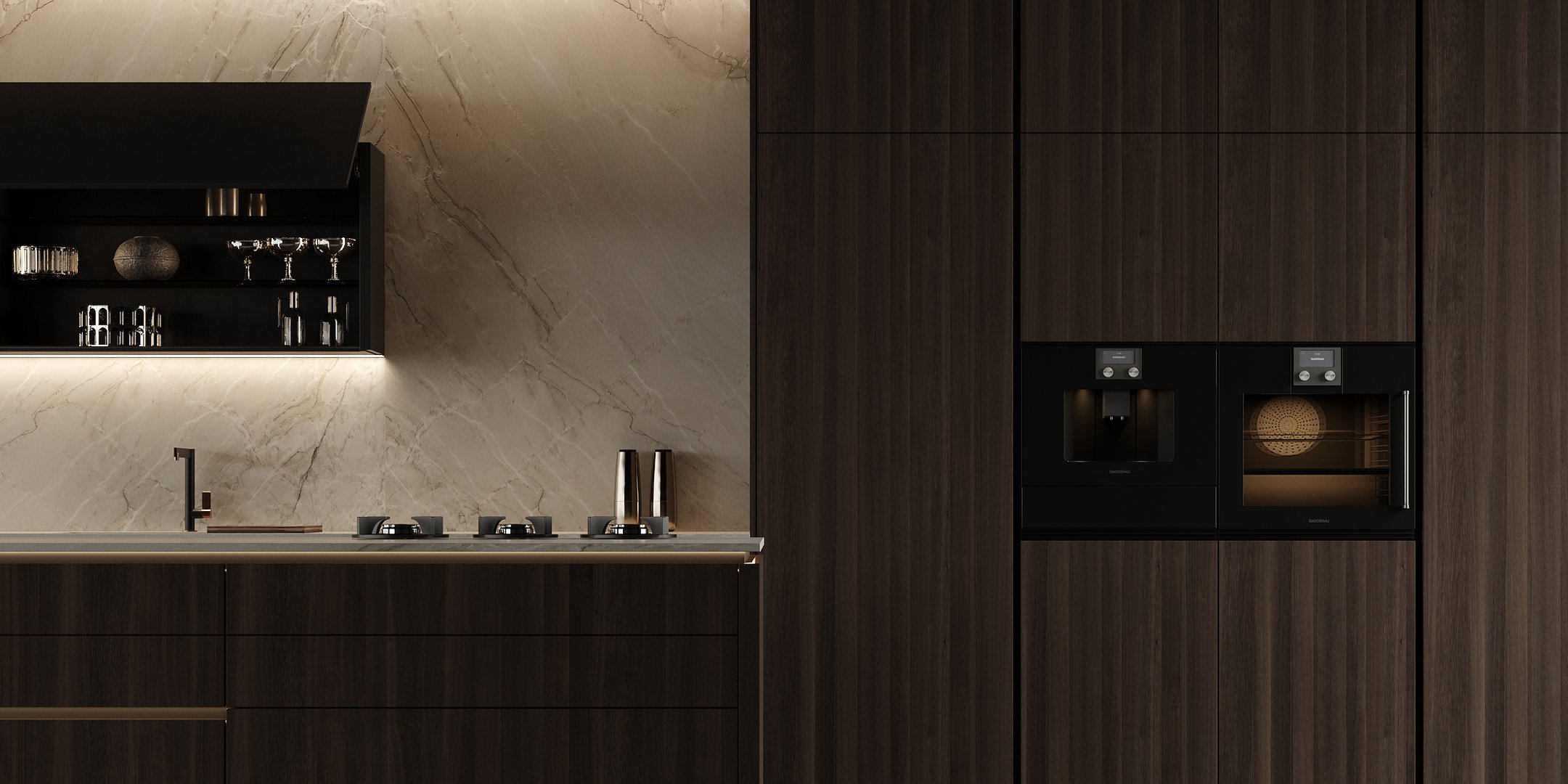
Italian design starts with the statement. The question is how the kitchen will make you feel and how it will read as a piece of design in the room. Finish, texture, and proportion carry the project. Italian makers are famous for finishes that feel current and daring, the kind of surfaces and colours that show up in interiors coverage first and in mainstream kitchens a few years later.
Where German cabinetry shines
- Engineering and tolerances. Tight, consistent build quality across every unit, so the whole run looks even and aligned.
- Durability. Construction and hardware designed to survive decades of daily use.
- Modular flexibility. Standardized systems make planning, expanding, and replacing parts straightforward.
- Hardware quietly doing its job. Soft-close runners and adjustable hinges that keep working long after install day.
Where Italian cabinetry shines
- Expressive finishes. Adventurous colours, lacquers, and textures that feel like fashion.
- Sculptural design. Strong shapes and statement pieces that anchor a room.
- Trend leadership. Often first to a new look, which appeals if you want something striking right now.
- Material drama. Bold pairings of stone, metal, and wood used as visual centrepieces.
What the Numbers Say About Each Tradition
The reputations are not just marketing. They show up in trade data. Germany remains the undisputed leading exporter of kitchen furniture worldwide, according to a 2024 ResearchAndMarkets world market outlook, a position it has held consistently within a global kitchen furniture sector worth roughly USD 59 billion. That export dominance is the practical result of an industry organized around precision and repeatable quality, the qualities that travel well across borders and survive long after a trend fades.
Italy, meanwhile, leads Europe in furniture and design overall. The Italian furniture and design sector reached 26.7 billion euros in revenue in 2025, consolidating its leadership ahead of Germany, per FIRSTonline reporting on 2025 figures. Italy’s strength is concentrated at the top of the market. Its high-end positioning peaks near a 25 percent share in the kitchen segment, one of the most strategic globally. In plain terms, when people pay a premium for kitchen as fashion, Italy captures a large slice of that spending. Both countries are leaders. They simply lead in different lanes, Germany in engineering and export reliability, Italy in design prestige.
Durability and Daily Life
A kitchen is the hardest-working room in any home. Doors open and shut thousands of times a year, drawers carry real weight, and hinges take constant small stresses. This is where the German emphasis on engineering earns its keep. The value of tight tolerances is not visible on day one when both kitchens look flawless. It shows up in year eight, when one set of doors still sits perfectly flush and the other has started to drift.
Good hardware is the quiet hero here. Full-extension soft-close runners let a drawer pull all the way out so nothing gets lost at the back, then glide shut without a slam. Concealed hinges with 3D adjustment can be nudged in three directions, which means a door that shifts slightly over time can be brought back into perfect alignment in minutes rather than replaced. These are the details that separate a kitchen that ages gracefully from one that starts to feel tired. Italian cabinetry can absolutely be built to last, and plenty of it is, but durability is the headline of the German philosophy rather than a supporting act.
Why German Engineering Suits Metro Vancouver
Style preferences are personal, but our climate is not. Metro Vancouver gives cabinetry a specific challenge. Long, wet winters and high humidity put stress on materials, joints, and finishes, especially in kitchens where steam and temperature swings are constant. Moisture is the enemy of cabinetry that was not built to handle it. Edges can swell, finishes can lift, and doors can shift as materials react to damp air.
This is where engineering-first construction quietly pays off. Cabinetry built to tight, consistent standards, with hardware designed to stay aligned, copes better with the daily expansion and contraction that our climate brings. A handleless German kitchen in a Yaletown condo is not just a clean look. It is also fewer crevices for moisture and grease to collect, and a build designed to keep performing through years of coastal winters. When you are investing in a room you will use every single day, construction that respects the local environment is worth as much as the finish on the doors.
The Investment Picture for Vancouver Homes
Kitchens are expensive here, so it is worth knowing where the money goes and what it returns. A kitchen renovation in Metro Vancouver typically runs between 45,000 and 75,000 dollars for a detached home or townhouse, with condo kitchens often landing between 28,000 and 55,000 dollars, according to 2025 to 2026 figures from Delana Interiors. High-end projects can climb well past 100,000 dollars depending on finishes and layout.
The good news is that kitchens reward the investment. A kitchen renovation has the potential to increase a home’s value by up to 20 percent, according to a Royal LePage survey of Canadian agents cited by Morningstar Canada in 2025. The smart move is to spend where the return lives. Cabinetry you will open every day for the next twenty years is exactly the kind of long-life component worth doing once and doing well, rather than refinishing in a decade when a trend-led finish has dated. That logic favours the German approach, durable construction that holds its look and function long after the renovation is done.
How Bauformat fits into this
Bauformat has been made in Germany since 1917, in the town of Lohne, which gives it more than a century of refinement in exactly the engineering tradition described above. The range is built to suit different goals and budgets without leaving the German philosophy behind:
- Baulux for ceramic, glass, and ultra-matte luxury finishes when you want a statement surface.
- Bauformat for the widest choice across styles, colours, and configurations.
- Burger for the best value when budget is the priority and you still want German build quality.
Across all three, the hardware is consistent, full-extension soft-close runners and 3D-adjustable concealed hinges. And because the kitchens are measured, planned, and installed by the local Vancouver team, the German engineering is matched to the realities of your actual space, whether that is a heritage home on the east side or a high-rise condo near the water.
So Which Philosophy Is Right for You?
There is no wrong answer, only the right fit for how you live. If you want your kitchen to be a bold, of-the-moment design statement and you love the idea of leading the trend, the Italian philosophy speaks that language fluently. If you want a kitchen that looks clean and current, works flawlessly for decades, and quietly handles the demands of coastal living, the German philosophy is built for exactly that.
For most Metro Vancouver homeowners weighing a major investment in a room they use constantly, the case for German engineering is strong. You are buying durability, precision, and a finish that ages well, in a climate that punishes anything less. The expressive beauty is still there. It just sits on top of construction designed to outlast the trends.
Frequently Asked Questions
Are German kitchen cabinets better than Italian ones?
Neither is simply better. They are built around different goals. German cabinetry prioritizes engineering, durability, and modular precision, while Italian cabinetry prioritizes expressive, fashion-led style. Germany leads the world in kitchen furniture exports, and Italy leads Europe in design revenue, so both traditions are genuinely world class. The right choice depends on whether you value long-term function and longevity or a bold, trend-leading look.
Do German cabinets handle Vancouver’s damp climate better?
Construction quality matters more than nationality, but the engineering-first approach common in German cabinetry tends to handle humidity and temperature swings well. Tight tolerances, durable materials, and hardware that stays aligned all help cabinetry cope with the moisture stresses of long coastal winters. That is a meaningful advantage in Metro Vancouver, where kitchens deal with steam and damp air for much of the year.
Is German cabinetry more expensive than Italian?
Price overlaps heavily, and both traditions span value to luxury tiers. Italy is especially dominant in the very high end of the kitchen market, where price reflects design prestige. German ranges often span a wide spread, from best-value lines to luxury collections, so you can find German engineering at several price points rather than only at the top.
What hardware should I look for in a quality kitchen?
Two details tell you a lot. Full-extension soft-close runners let drawers open completely and close gently, which protects both the contents and the cabinet over years of use. Concealed hinges with 3D adjustment let you realign doors in three directions, so a kitchen can be fine-tuned over time instead of replaced. These are standard in well-engineered German cabinetry and a reliable sign of a build meant to last.
Choosing between German and Italian cabinetry is really about choosing what you want your kitchen to be, a piece of expressive design or a precisely engineered tool that stays beautiful for the long haul. Both traditions are worthy. For a home that has to stand up to Metro Vancouver winters and decades of daily use, German engineering makes a quietly compelling case, and that is the thinking behind every Bauformat kitchen fitted by our Yaletown team.
Explore more from Bauformat BC
- Bauformat: Germany’s Elite Kitchen Cabinet Craftsmen
- Why Choose Long-Lasting Materials for Your Kitchen Cabinets
- Kitchen Cabinet Hardware
German cabinetry, planned and built for Metro Vancouver
The kitchen is one of the highest-return rooms in a home: the 2025 Cost vs. Value Report found a minor kitchen remodel recoups roughly 96% of its cost at resale. Choosing cabinetry that lasts is central to that return, which is where German engineering earns its place. Every Bauformat kitchen is manufactured in Germany, then measured, planned, and installed by our Vancouver team, built to fit your room to the millimetre.
See the Baulux, Bauformat, and Burger collections in person at our Yaletown showroom at 1014 Homer Street, learn more about the manufacturer at bauformat.de, and meet our local team at The Bau Team.
Book a 30-minute consultation with our Metro Vancouver kitchen designers to plan a kitchen built to last.
Walk into a German-built kitchen and you notice it before you can name it. A tall pantry door swings shut and stops with a quiet cushion instead of a clack. A 90-centimetre drawer rolls all the way out, loaded with cast iron, and never sags or sticks. The gaps between fronts are even down to the millimetre, top to bottom, like the cabinets were cut from a single piece. That precision is not decoration. It is the result of more than a century of doing one thing carefully.
Bauformat has been making kitchens in Lohne, Germany since 1917. Every cabinet that ends up in a Yaletown condo or a West Vancouver family home is still built there, then measured, planned, and installed by the local Vancouver team. For a Metro Vancouver homeowner weighing a renovation, the question is simple: what does German craftsmanship actually buy you, and why does it hold up here? This article answers that honestly.
Key Takeaways
- Bauformat has built kitchens in Lohne, Germany since 1917, and every cabinet is still made in Germany before the local Vancouver team measures, plans, and installs it.
- German craftsmanship shows up in three places you can verify yourself: the board and edge materials, the build tolerances, and the hardware.
- Three collections cover the full range. Baulux for ceramic, glass, and ultra-matte fronts, Bauformat for the widest choice of colours and finishes, and Burger for the best value with a full German build.
- Full-extension soft-close runners and 3D-adjustable concealed hinges are standard, not upgrades, which matters in humid coastal homes that move with the seasons.
- A focused kitchen renovation remains one of the strongest returns in home improvement, and build quality is what protects that value over fifteen and twenty years.
Made in Lohne since 1917, fitted in Vancouver
Lohne sits in Lower Saxony, in a region of northern Germany that has produced furniture for generations. Bauformat started there in 1917 and never left. That continuity matters more than a marketing line suggests. A factory that has refined the same craft across more than a hundred years has had time to standardise the things that go wrong in cheaper kitchens: edges that peel, hinges that drift, fronts that no longer line up after a few winters.
The German furniture industry as a whole turned over roughly 15.8 billion euros in 2025 (VDM, 2025), and the kitchen-furniture segment alone accounted for just under 5.6 billion euros (VDM, 2025), with close to 46 percent of that sold for export. Those numbers tell you something useful. Germany did not become the reference point for kitchen manufacturing by accident. It built an industry on engineering discipline, and the homes that import those kitchens, including here in Metro Vancouver, are buying into that discipline.
What does not get shipped from Germany is the fit. A cabinet built to a tenth of a millimetre still has to land in a real room with walls that lean, floors that slope, and a heritage ceiling that drops two centimetres over three metres. That is where the local Vancouver team comes in. They measure the actual space, plan the layout around your plumbing and your sightlines, and install with the German hardware doing exactly what it was designed to do. Factory precision and local fit are two different skills, and you need both.
What German craftsmanship actually means
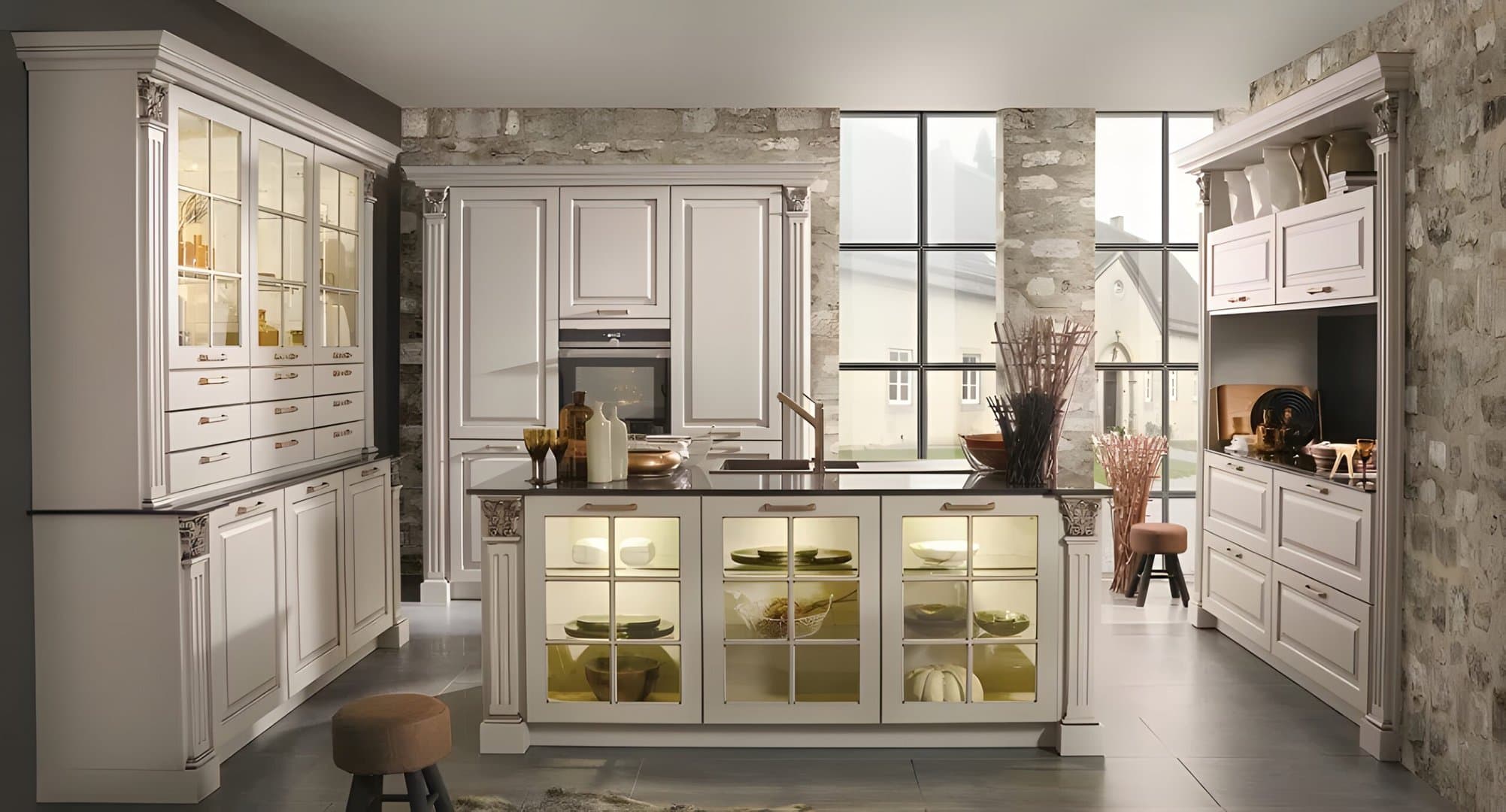
The phrase gets used loosely, so here is the specific version. Three things separate a genuinely well-built cabinet from one that only photographs well.
Materials you can rely on
It starts with the carcass, the box behind the door. German kitchen cabinets use dense, moisture-resistant board with edges banded under heat and pressure so tightly that the seam disappears and water cannot creep in. That edge banding is the first thing to fail in a low-cost kitchen. Near a sink or a dishwasher, a poorly bonded edge swells within a couple of years. A properly banded one does not. The fronts themselves run from real lacquered surfaces to ceramic and glass, each chosen to wear evenly and hold colour rather than yellow or chalk over time.
Tolerances measured in millimetres
Tolerance is the quiet hero of a good kitchen. It means how close every part lands to its intended size and position. German lines are cut and assembled to tolerances so tight that a run of twelve cabinets reads as one continuous surface, with reveal lines that stay even from the first door to the last. You feel this every day. Drawers that align, doors that sit flush, a worktop that meets the cabinet without a gap to trap crumbs. Loose tolerances are why budget kitchens look slightly off in a way most people sense but cannot articulate.
Hardware that earns its keep
Open and close a kitchen drawer a few thousand times a year and the hardware becomes the whole experience. Bauformat fits full-extension, soft-close runners as standard, so the drawer pulls all the way out and you reach the back without crouching, then closes itself the last few centimetres without a slam. The doors run on 3D-adjustable concealed hinges, which let an installer fine-tune a door in three directions long after the kitchen is in. That adjustability is exactly what you want in a coastal climate, where wood and walls move with the seasons and a door that was perfect in June may need a quarter-turn by January.
Three collections, one standard of build
One of the more practical things about Bauformat is that the engineering does not change between price levels. The carcass, the runners, and the hinges are built to the same standard across the range. What changes is the front, the finish, and the breadth of choice. There are three collections, and most Metro Vancouver projects find their home in one of them.
Baulux, the top tier
Baulux is where the most advanced surfaces live: ceramic, glass, and ultra-matte fronts. Ceramic and glass resist heat, scratches, and fingerprints in a way painted fronts cannot match, which suits a high-use family kitchen or a design-forward downtown condo where the kitchen is on permanent display in an open-plan space. Ultra-matte fronts give that deep, soft, light-absorbing finish that has become the signature of contemporary German design.
Bauformat, the widest choice
The core Bauformat collection offers the broadest range of finishes and colours of the three. This is the one for homeowners who have a specific palette in mind, whether that is a warm muted green for a Kitsilano character home, a crisp handleless white for a North Shore new build, or a wood-grain front that picks up the tone of an oak floor. The range is wide enough that you rarely have to compromise the colour to get the build quality.
Burger, the value collection
Burger is the best-value line, and the important word is value rather than cheap. It carries the full German build, the same dense carcass and quality hardware, at a more accessible price. For a rental suite, a secondary kitchen, or a first renovation on a tighter budget, Burger lets you put a genuinely German-engineered kitchen in the room without stretching past what the project can carry.
Why this matters for a Metro Vancouver home
Vancouver is a demanding place to own a kitchen. The coastal air is humid, homes swing between damp winters and dry, heated interiors, and a lot of the housing stock, from Yaletown towers to East Van character houses, has the kind of imperfect walls and tight footprints that punish a poorly built kitchen. German cabinets are engineered for exactly these conditions. Moisture-resistant boards shrug off the humidity, and 3D-adjustable hinges let the installer keep every door true as the house moves through the year.
There is a money argument too, and it is a strong one. Kitchen work remains one of the best returns in home improvement. The 2025 Cost vs. Value Report put the national return on a minor kitchen remodel at roughly 96 percent of cost recovered at resale (2025 Cost vs. Value Report), the leading interior project in the study. Build quality is what protects that figure over the long run. A kitchen that still closes softly and lines up cleanly after twenty years reads as an asset to a buyer. One that has started to sag and peel reads as a future expense.
The local cost picture sharpens the point. A standard Metro Vancouver kitchen renovation generally lands somewhere between 40,000 and 70,000 dollars (Quay Construction, 2025), and downtown and west-side projects often sit at the higher end because of labour and logistics. At that level of investment, the difference between a cabinet that lasts a decade and one that lasts two or three is not a luxury detail. It is the core of whether the money was well spent.
The quiet details that separate a kitchen that lasts
Beyond the headline features, German manufacturing shows up in the interior fittings most people never think about until they live with them. Smart interior storage turns a deep corner cabinet from dead space into usable shelving that swings out to meet you. Drawer organisers hold cutlery and utensils so nothing rattles loose. Internal drawers within a deep pan drawer give you a second tier of storage without a second cabinet.
These are not gimmicks. They are the result of a manufacturer that has spent a century watching how people actually cook and storing the lessons in the product. A well-planned German interior means you use more of the kitchen you paid for, and you reach what you need without bending, digging, or shifting three pots to find the fourth. When the local team plans your layout, this is the layer of detail that turns a good-looking kitchen into one that works hard every single day.
Frequently Asked Questions
Are Bauformat cabinets really still made in Germany?
Yes. Every Bauformat cabinet is built in Lohne, Germany, where the company has manufactured kitchens since 1917. The cabinets are then measured, planned, and installed by the local Vancouver team, so you get German factory precision with a fit tailored to your actual room.
Which collection is right for my kitchen?
It depends on your finish and budget rather than the build, because the engineering is consistent across all three. Choose Baulux for ceramic, glass, and ultra-matte fronts, the core Bauformat collection for the widest range of colours and finishes, and Burger when you want the full German build at the best value. The local team can walk you through samples to match your home.
How long should a German kitchen last in Vancouver’s climate?
A properly built and installed German kitchen is designed to perform for decades, not years. Moisture-resistant boards and sealed edges handle the coastal humidity, while 3D-adjustable hinges and full-extension runners can be tuned and maintained as the home settles, which means the kitchen keeps working and looking right well beyond the typical renovation cycle.
Does German engineering really make a noticeable difference day to day?
It does, mostly in small ways that add up. Drawers that glide fully open and close softly, doors that stay aligned through every season, surfaces that resist scratches and fingerprints, and interiors organised so you reach what you need without digging. None of it shouts, which is exactly the point.
Kitchen design keeps moving toward calmer surfaces, smarter storage, and finishes that handle real life rather than just looking good on day one. A manufacturer that has been refining the same craft since 1917 is built to keep pace with that, and a Metro Vancouver homeowner planning a renovation today is buying into a standard of engineering that will still feel current, and still work properly, long after the trends of this year have passed.
Explore more from Bauformat BC
- Decoding German Kitchen Cabinets Vs. Italian Kitchen Cabinets
- Why Choose Long-Lasting Materials for Your Kitchen Cabinets
- Modern Kitchen Design
German cabinetry, planned and built for Metro Vancouver
The kitchen is one of the highest-return rooms in a home: the 2025 Cost vs. Value Report found a minor kitchen remodel recoups roughly 96% of its cost at resale. Choosing cabinetry that lasts is central to that return, which is where German engineering earns its place. Every Bauformat kitchen is manufactured in Germany, then measured, planned, and installed by our Vancouver team, built to fit your room to the millimetre.
See the Baulux, Bauformat, and Burger collections in person at our Yaletown showroom at 1014 Homer Street, learn more about the manufacturer at bauformat.de, and meet our local team at The Bau Team.
Book a 30-minute consultation with our Metro Vancouver kitchen designers to plan a kitchen built to last.
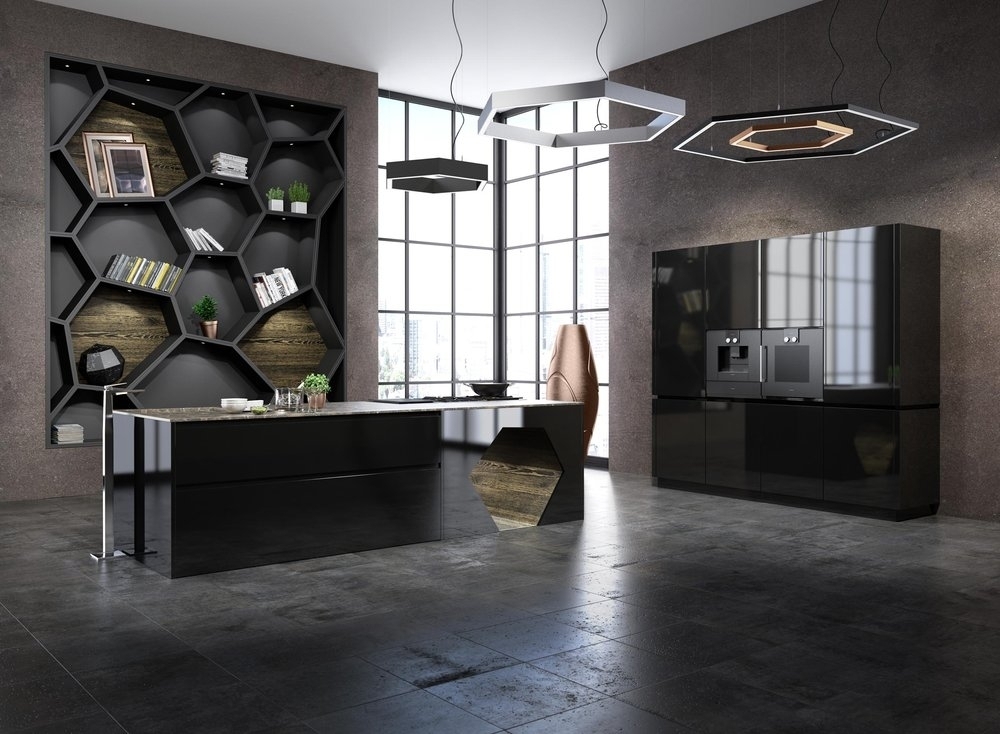
The Appeal of Black Kitchens: A Modern Design Revolution
Modern black kitchens are stylish and functional. In Vancouver, black kitchens are gaining popularity for their sleek, contemporary look and sophisticated appeal. German kitchen cabinets from Bauformat BC can transform your kitchen into a refined and functional space.
Discover the versatility of black in kitchen design. Black kitchens offer a bold statement, and when combined with the high-quality cabinetry from Bauformat BC, they create a luxurious and timeless look. This guide will show you how to balance aesthetics and functionality, ensuring your kitchen remains stylish and practical.
Explore how German craftsmanship can elevate your kitchen design, providing both beauty and efficiency. From maximizing storage space to creating a stunning visual impact, black cabinets are a perfect choice for a modern kitchen transformation.
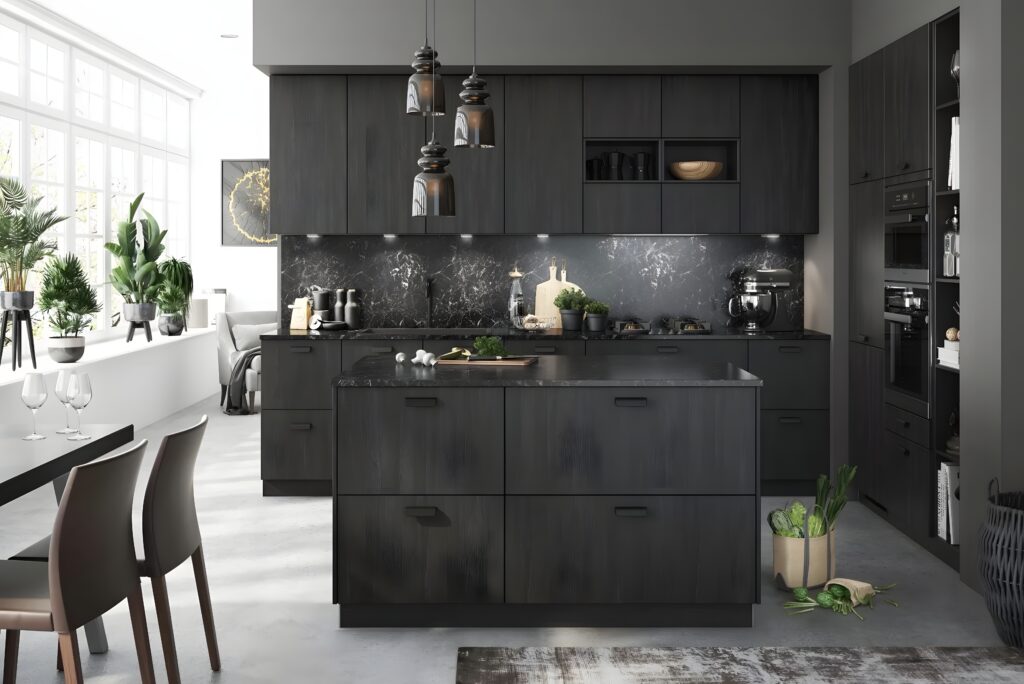
Why Choose Black for Your German Kitchen Cabinets?
Black kitchen cabinets offer a bold, sophisticated look. Opting for black German kitchen cabinets can elevate your kitchen’s aesthetic. Black is associated with luxury and modernity, making it an ideal choice for contemporary kitchens.
Choosing black cabinets allows for a versatile design that pairs well with various colours and finishes. Additionally, black remains stylish across changing trends, ensuring your kitchen always looks up-to-date.
Incorporating Matte Black Cabinets in Modern Kitchen Design
Matte black cabinets add a contemporary touch. Matte finishes on black cabinets create a sophisticated, non-reflective look that complements modern kitchen designs.
Matte black cabinets support a minimalist appeal, promoting a clean, clutter-free environment. They also offer practical benefits, as fingerprints and smudges are less visible compared to glossy finishes.
The Functionality of Black German Kitchen Cabinets
German kitchen cabinets are known for their functionality. Combining their functionality with the boldness of black creates a kitchen that is both practical and visually appealing. Bauformat BC’s cabinets are designed with precision and engineered for optimal storage and accessibility.
Innovative storage solutions maximize space and efficiency, while high-quality materials ensure durability and longevity. These features make black German kitchen cabinets an excellent choice for any modern kitchen.
Trendy Black Kitchen Designs for 2024
Black kitchen designs are evolving, with new trends emerging each year. In 2024, expect a mix of black accents with natural elements and innovative layouts for German kitchen design.
Trending design elements include the combination of black cabinets with wood or stone, creating a balanced and natural look. Open shelving is also becoming popular, adding an airy and modern feel to the kitchen.
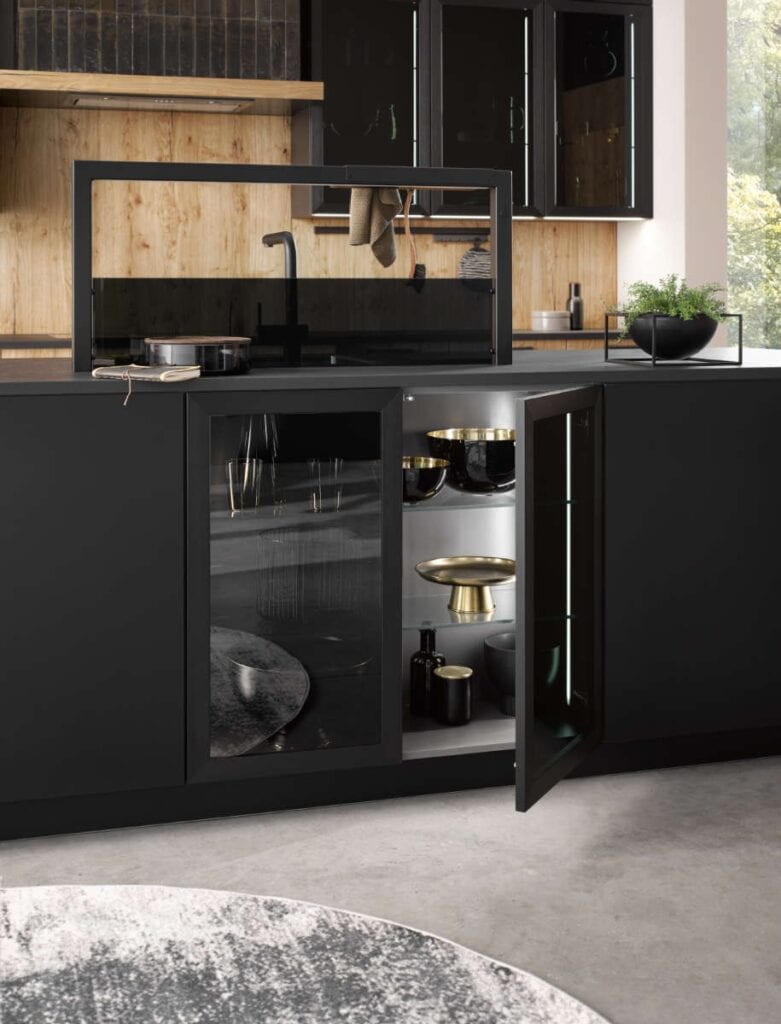
How to Pair Black Cabinets with Other Kitchen Elements
Balance your kitchen design. Pairing black cabinets with other kitchen elements requires careful consideration to ensure a cohesive look. Light countertops, metallic accents, and strategic lighting can complement black cabinets beautifully.
Light countertops create contrast and brighten the space, while metallic accents add a touch of glamour and sophistication. Proper lighting highlights the beauty of black cabinets and enhances the kitchen’s overall aesthetic.
Create a Modern Black and White Kitchen
A modern black-and-white kitchen offers a timeless and chic look. Pairing black cabinets with white elements, such as countertops and backsplashes, can achieve a striking, elegant, and contemporary contrast. Gloss finishes on cabinets and countertops enhance this modern look, adding a sleek and reflective quality to the surfaces. Quality German cabinetry, known for its durability and design, can elevate the overall feel of the kitchen.
Incorporate a Kitchen Island
A kitchen island can serve as a focal point in your kitchen. When paired with black cabinets, an island with a contrasting colour or material, such as a lighter wood or stone, can create a balanced design scheme. For a seamless look, consider a handleless kitchen design. True handleless cabinets provide a clean, uninterrupted line that enhances the modern aesthetic of your space.
Handleless Black Kitchen Cabinets: A Sleek Look
Handleless cabinets offer a modern, seamless design. Handleless black kitchen cabinets enhance the sleek, modern aesthetic of your kitchen. This design choice emphasizes clean lines and a minimalist approach.
The streamlined appearance of handleless cabinets means no protruding handles disrupt the design. Additionally, handleless cabinets are easy to clean, as there are fewer crevices where dirt can accumulate.
Showcasing German Kitchen Cabinets in a Black Kitchen
Highlight the quality and design. Showcasing your German kitchen cabinets in a black kitchen involves highlighting their design and quality. Use lighting and layout to draw attention to the craftsmanship and materials from Bauformat BC.
Strategic lighting can highlight cabinet features and finishes, while an open layout allows for better visibility and appreciation of the design. These elements work together to showcase the beauty and functionality of German kitchen cabinets.
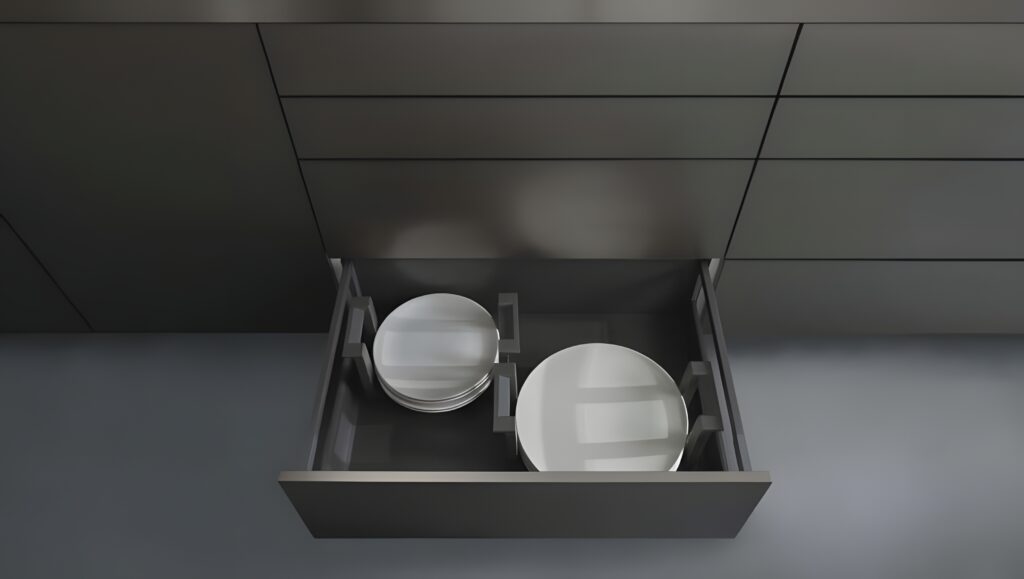
Black Cabinets in Small Spaces: Maximizing Efficiency
Optimize small kitchens with black cabinets. Black cabinets can be used effectively in small kitchens by maximizing space and creating a striking design. German cabinets from Bauformat BC are particularly suited for small spaces due to their efficient storage solutions.
Utilizing vertical storage can make the most of wall space, and integrating appliances maintains a sleek and uncluttered look. These strategies help maximize efficiency in small kitchen spaces.
Key Strategies to Maximize Efficiency:
- Vertical Storage: Install tall cabinets that reach the ceiling to utilize vertical space efficiently. This provides additional storage without taking up valuable floor space.
- Integrated Appliances: Choose built-in or under-counter appliances to keep the kitchen streamlined and less cluttered. For example, a built-in microwave or an under-counter fridge can free up counter space.
- Multi-Functional Furniture: Use kitchen islands or tables with extra storage or as additional prep space. A kitchen island with built-in drawers or shelves can provide much-needed storage in a small kitchen.
- Light Countertops and Backsplashes: Pairing black cabinets with light-coloured countertops and backsplashes can create a sense of openness and prevent the space from feeling too dark or cramped.
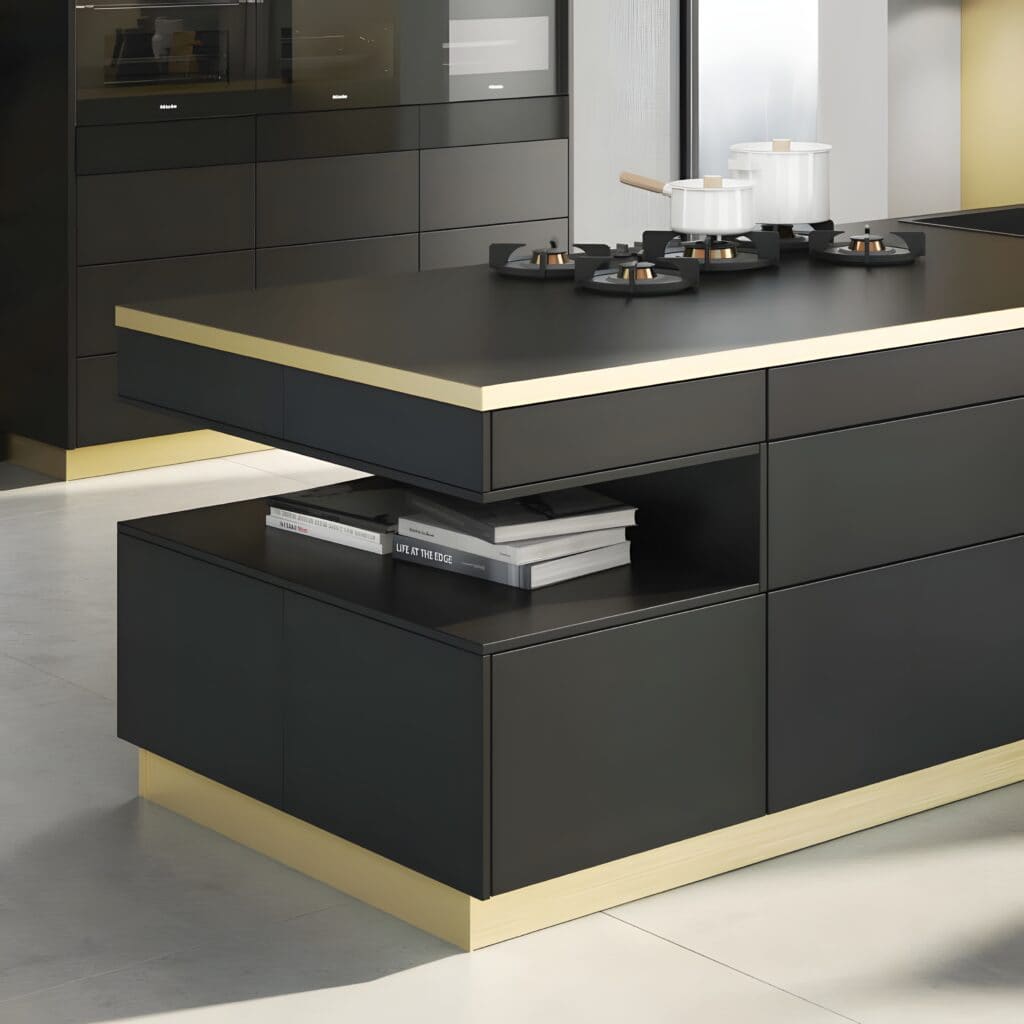
Maintaining and Cleaning Black German Kitchen Cabinets
Keep your black German kitchen cabinets looking pristine. Maintaining and cleaning black kitchen cabinets is crucial to preserving their appearance. Regular cleaning and proper maintenance can keep them looking new for years.
Using gentle cleaners prevents damage to the finish, while regular dusting helps maintain their shine. These practices ensure your black kitchen cabinets remain a standout feature in your kitchen.
Steps to Maintain and Clean Black German Kitchen Cabinets
- Regular Dusting: Dust your black cabinets regularly to maintain their shine. Use a soft microfiber cloth to avoid scratching the surface. This is especially important for cabinets with a lacquer or laminate finish, as they can show dust more readily.
- Gentle Cleaning Solution: Mix a few drops of mild dish soap with warm water. Use this gentle solution to clean the cabinet surfaces. Avoid abrasive cleaners, as they can damage the finish. For custom kitchens with shaker or handleless designs, this gentle approach helps maintain the cabinetry’s sleek appearance.
- Wipe Down with a Damp Cloth: Wipe down the cabinets with a damp cloth after applying the cleaning solution. This helps remove any soap residue. Ensure the fabric is not too wet, as excess moisture can damage the cabinets, particularly those with wood or laminate finishes.
- Dry Thoroughly: Dry the cabinets thoroughly with a clean, dry cloth to prevent water spots and streaks. This step is crucial for maintaining the strong visual appeal of black cabinets, especially in kitchen styles that feature a bold statement with black cabinetry.
- Polish for Extra Shine: Use a non-abrasive polish designed for kitchen cabinets to give them an extra shine. This step can enhance the look of your cabinets and make them a statement for your kitchen design. Quality German kitchens with black cabinets benefit from regular polishing to keep them looking stunning.
Additional Tips
- Use Black Cabinets with Light Elements: Pair black cabinets with light countertops and backsplashes to create a bold statement for your kitchen. This contrast not only enhances the design but also makes the kitchen appear more spacious.
- Integrated Appliances: Incorporate kitchen appliances that blend seamlessly with the cabinets. This maintains a cohesive look and prevents the kitchen from appearing cluttered.
- Consult Kitchen Design Experts: If you’re looking for black kitchen cabinets, speak with kitchen design experts about black kitchen cabinets. They can provide tailored advice to ensure your cabinets remain a highlight of your kitchen.
Discover the Elegance of Black German Kitchen Cabinets
Following these tips and insights, you can create a stunning black kitchen showcasing the elegance and functionality of German kitchen cabinets from Bauformat BC. Welcome to an extraordinary journey with Bauformat, where every kitchen in Vancouver is a magnum opus, a fusion of Germany’s finest engineering and your wildest culinary fantasies. Here, kitchens aren’t just built; they’re meticulously sculpted, turning your space into a vibrant stage of innovation, style, and unmatched sophistication.
Visit Bauformat BC’s showroom to explore design possibilities in person, see the quality and craftsmanship firsthand, and speak with our expert designers. Whether you want to make a bold statement with black cabinets or seek efficient storage solutions, our award-winning designs and unparalleled quality ensure your kitchen will be beautiful and functional. Experience the unmatched sophistication and innovation that only Bauformat can offer, transforming your kitchen into a true masterpiece.
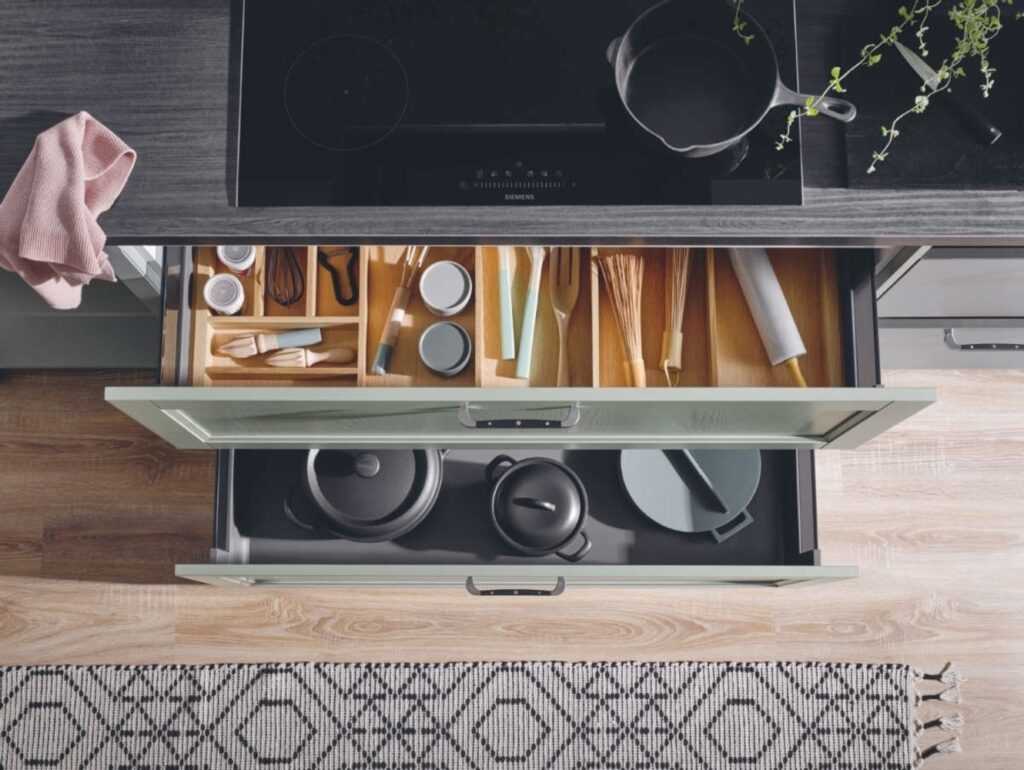
Exploring the Longevity of German Kitchen Cabinet Materials
When envisioning your dream kitchen, the materials used for cabinets play a pivotal role in merging form with function. German kitchens, celebrated for their impeccable quality, typically feature cabinets crafted from premium lumber and advanced fiberboard, promising visual allure and sturdy construction.
These materials, carefully chosen for their cost-efficiency and resilience, withstand the demands of everyday use while maintaining a sleek, inviting appearance. Discover what distinguishes German kitchen cabinetry, such as those offered by Bauformat BC, and how it can transform the culinary spaces in homes across Vancouver, embodying the elegance and durability of European kitchen cabinets.
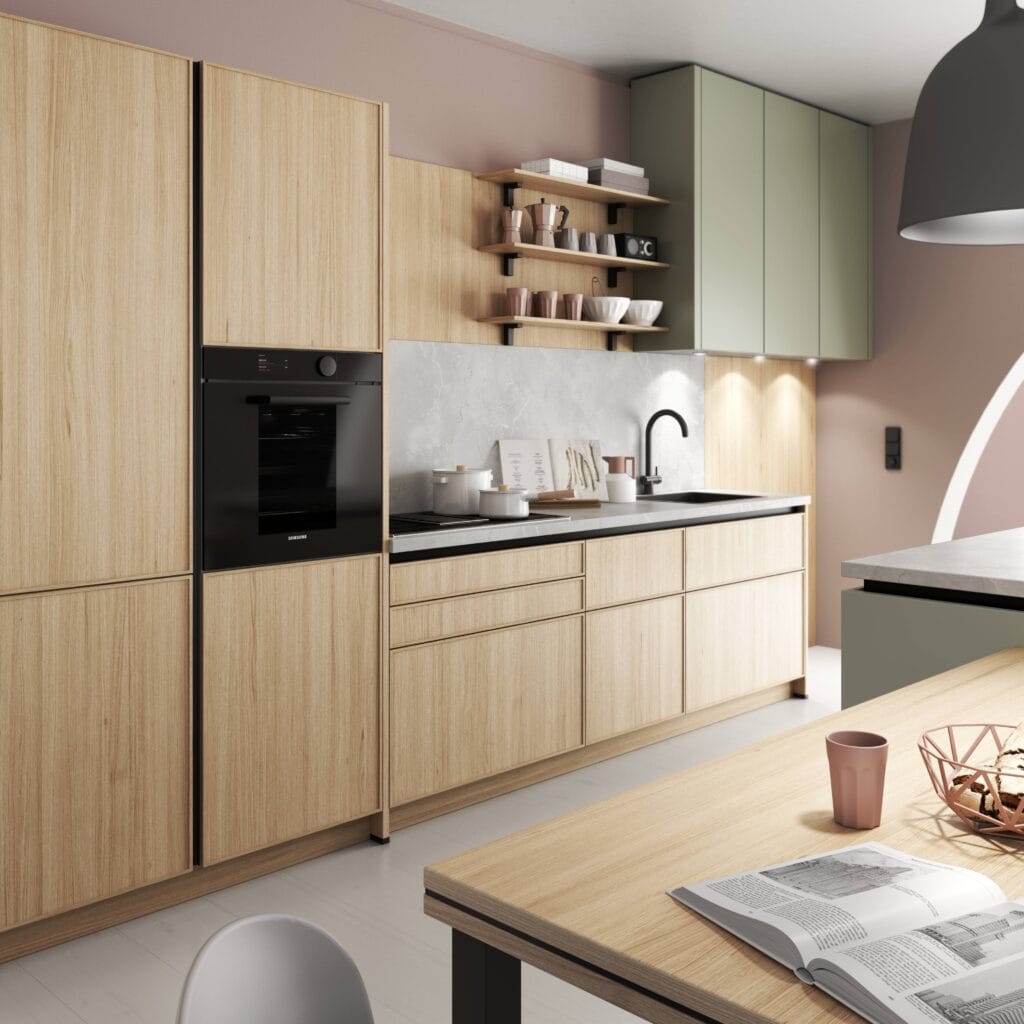
The Secret Behind German Kitchen Cabinet Durability
As one delves into the world of German kitchen cabinets, the attention to detail in craftsmanship immediately stands out, offering more than just an aesthetic delight but a promise of enduring quality. Far removed from ordinary particle board constructions, these kitchens are built to withstand the activities and challenges of daily life. This ensures your investment aligns with the budget and brings the desired robustness to the heart of your home. An intricate dance of engineering genius pairs with quality control measures to form the bedrock of durability that characterizes these handcrafted marvels. From every hinge that offers privacy, from noisy cabinets to each layer of varnish that protects like a silent guardian against spills and stains, the German precision experience is unmistakably thorough, reliable, and, above all, lasting.
Understanding the Craftsmanship
The precise attention that defines German kitchen cabinet makers often begins with their selection of materials, and melamine and lacquer often stand out as favourites. Recognized for their durability and minimal porosity, these materials provide a stable base for furniture that resists warping and maintains a consistent appearance over time.
Craftsmen employ modern and traditional techniques, incorporating FSC®-certified MDF wood fibre where flexibility or moisture resistance is key. This careful integration ensures that each cabinet meets the aesthetic standards of classic craftsmanship and embraces the resilience required for contemporary lifestyles.
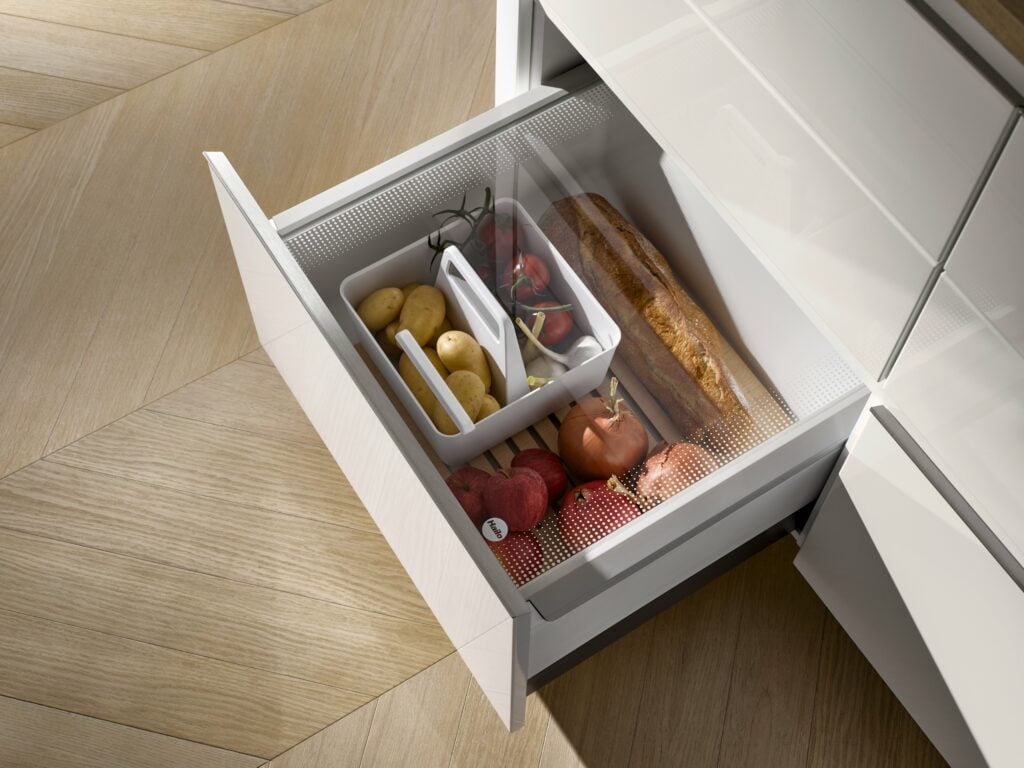
The Role of Engineering in Durability
Lacquered front surfaces ensure German kitchen cabinets resist warping and shrinking, even in fluctuating kitchen temperatures. Developed over the years, these surfaces meet the demands of spaces where moisture and heat coexist.
German engineering integrates metal components with these lacquered surfaces, creating a cohesive unit that contracts and expands gracefully. The silent smoothness of a closing cabinet door or the sturdy glide of a drawer exemplifies the high-quality craftsmanship, providing impressive functionality and longevity.
Quality Control Measures for Lasting Use
German kitchen cabinets are renowned for their reliability, achieved through stringent quality control measures. Each piece undergoes rigorous testing to meet high standards of resilience and durability, ensuring long-lasting performance and eliminating the pitfalls of lesser-quality furniture. Instead of mahogany, our cabinets feature wood veneer surfaces, which are treated with sophisticated finishes.
These finishes enhance the material’s natural beauty while providing a protective barrier. The wood veneer is sustainable and moisture, dirt, and scratch-resistant due to a premium protective lacquer. Natural colour variances may occur over time, adding unique character to each piece and ensuring it withstands the challenges of typical kitchen or bathroom environments.

The Evolution of Cabinet Materials in German Kitchens
Traditionally, solid wood has been a hallmark of German kitchen cabinets, valued for its strength and beauty. However, modern innovations have introduced alternatives with comparable durability and aesthetic appeal.
Why Wood Veneer Surfaces are Preferred
Instead of solid wood, our cabinets feature wood veneer surfaces treated with sophisticated finishes. These finishes enhance the material’s natural beauty while providing a protective barrier. Wood veneer is sustainable, moisture, dirt, and scratch-resistant due to a premium protective lacquer. Natural colour variances may occur over time, adding unique character to each piece and ensuring it withstands the challenges of typical kitchen or bathroom environments.
Integrating Advanced Techniques for Enhanced Durability
Beyond traditional materials, advancements such as powder coating offer further resilience, introducing an additional layer that battles against wear and adds a touch of modernity. German engineering also integrates metal components with these lacquered surfaces, creating a cohesive unit that contracts and expands gracefully. The silent smoothness of a closing cabinet door or the sturdy glide of a drawer exemplifies the high-quality craftsmanship, providing impressive functionality and longevity.
Maintenance Tips to Enhance Durability
Avoid using abrasive cleaners that can prematurely wear down finishes to ensure the longevity of German kitchen cabinets crafted with modern materials. Gentle, light cleaning agents and soft cloths can maintain the cabinets’ aesthetic appeal without the risk of inflicting scratches or other damage that could compromise their durability.
Regular upkeep and adherence to the guidelines outlined in the manufacturer’s warranty can keep these materials in their prime, protecting the investment and ensuring the kitchen remains inviting and enduring.
By embracing these modern materials and techniques, German kitchen cabinets continue to offer the same reliability and aesthetic appeal traditionally associated with solid wood, with the added benefits of sustainability and enhanced durability.
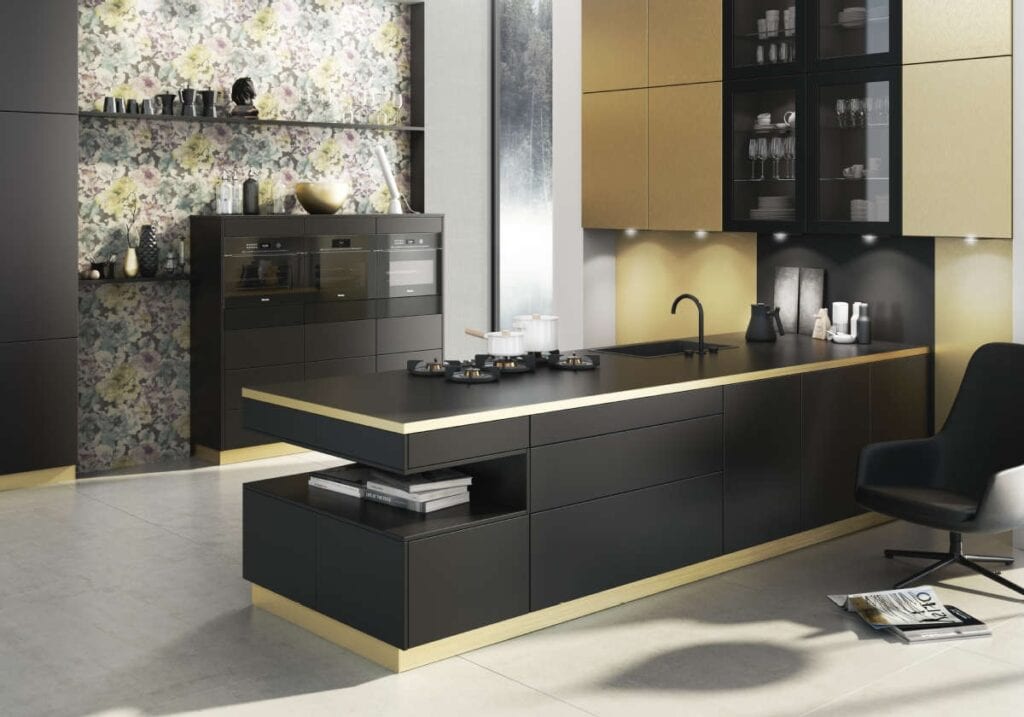
The Innovation of Laminates in German Cabinetry
While traditional solid woods have their place in German kitchen design, incorporating advanced materials like melamine, genuine lacquer, MDF wood-fibre board, and lacquer laminate introduces a remarkable balance of ingenuity and practicality. These laminates feature a dense core and a durable coating, such as melamine resin, providing wear resistance that rivals natural materials.
These materials mimic the appearance of various designs, from the classic look of hardwood to modern tile aesthetics, without the associated upkeep costs. This versatility and durability make laminates an appealing choice. In the ensuing discussion, we shall contrast the advantages of laminate against other types of cabinet surfacing and unpack how its composition contributes to the overall longevity of cabinetry.
Comparing Laminate to Other Materials
Laminate is a compelling counterpart to other materials in the kitchen cabinet surfacing landscape, offering beauty without high maintenance. Unlike thermofoil, which can peel in high heat or water exposure, laminate’s hardy composition maintains its integrity and appearance even under challenging conditions. Traditional woodworking artistry, typically involving wood and lacquer, presents a timeless aesthetic, yet laminate offers a practical alternative that resists the swelling and warping commonly caused by water contact. Advanced layering technology in laminates affords homeowners the opulence of wood-like finishes, coupled with an ease of care that natural wood surfaces struggle to match.
Benefits of Laminates for Cabinet Longevity
The grain-like textures on laminate surfaces are pleasing to the eye and remarkably steadfast against the daily wear and tear that kitchen cabinets endure. Laminates, often fortified with resin, present a sturdy barrier, repelling moisture and termite threats that could otherwise ruin wood-based materials.
Laminate’s durable design extends the life of kitchen cabinets, ensuring they remain a stunning feature of your cooking space without succumbing to common ailments that damage traditional wood. This longevity is central to why many homeowners choose laminate for their kitchen cabinetry, as it consistently maintains its original glory while warding off the environmental challenges that impact kitchen environments.
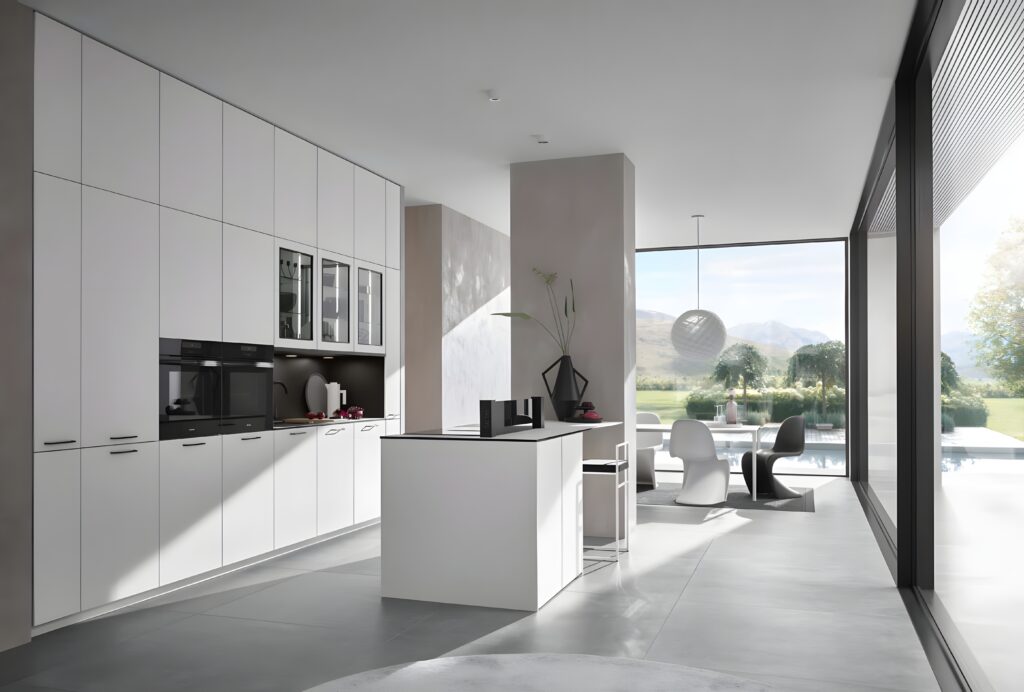
Exploring the Strength of German MDF Cabinets
The robust nature of German cabinetry is not just confined to traditional solid wood but extends to engineered varieties such as Medium Density Fiberboard (MDF). MDF’s uniform density and stability are propelled by the amalgamation of wood fibres tightly compacted with resin and wax to forge a versatile and resilient material. When crafted from robust alder or other durable woods, MDF provides a more consistent texture that readily accepts coatings and is easily sanded, enhancing its aesthetic and practical applications.
Thoughtful design that incorporates MDF can significantly improve indoor air quality, as it typically harbours fewer volatile organic compounds than conventional wood products. Durability-focused methods, like applying a robust sealant coat, also play a crucial role in safeguarding these cabinets from the inevitable wear and tear of a dynamic kitchen environment.
What Makes MDF a Durable Choice
German MDF cabinets are resilient because of top-tier manufacturing processes that meticulously fuse wood fibres with resins, providing a smooth substrate ideal for durable paint finishes. This advanced composition resists buckling and warping in environments with fluctuating humidity, maintaining its form where traditional materials might falter.
Incorporating select wood fibres, such as cherry, further fortifies MDF cabinets, binding strength with beauty. MDF’s consistency allows for the seamless integration of glass panels and other decorative elements, ensuring enduring structural integrity without compromising on design.
Preventing Wear and Tear on MDF Cabinets
Protecting MDF cabinets from daily wear becomes pivotal to maintaining their peak functionality. In the face of frequent kitchen activity, a cost-effective solution is the application of high-quality sealants that act as a defence against moisture infiltration. These sealants keep your space pristine at a fraction of the price of other materials.
Abiding by the guidelines set out in a manufacturer’s terms of service can significantly prolong the lifespan of MDF cabinets. A good maintenance regimen, respectful of the material’s characteristics, such as the use of a non-abrasive cleaner and prompt tending to spills, honours the investment and upholds the beauty of finishes, including sought-after walnut replicas, within any room while respecting your piece of mind reflected in a product’s privacy policy.
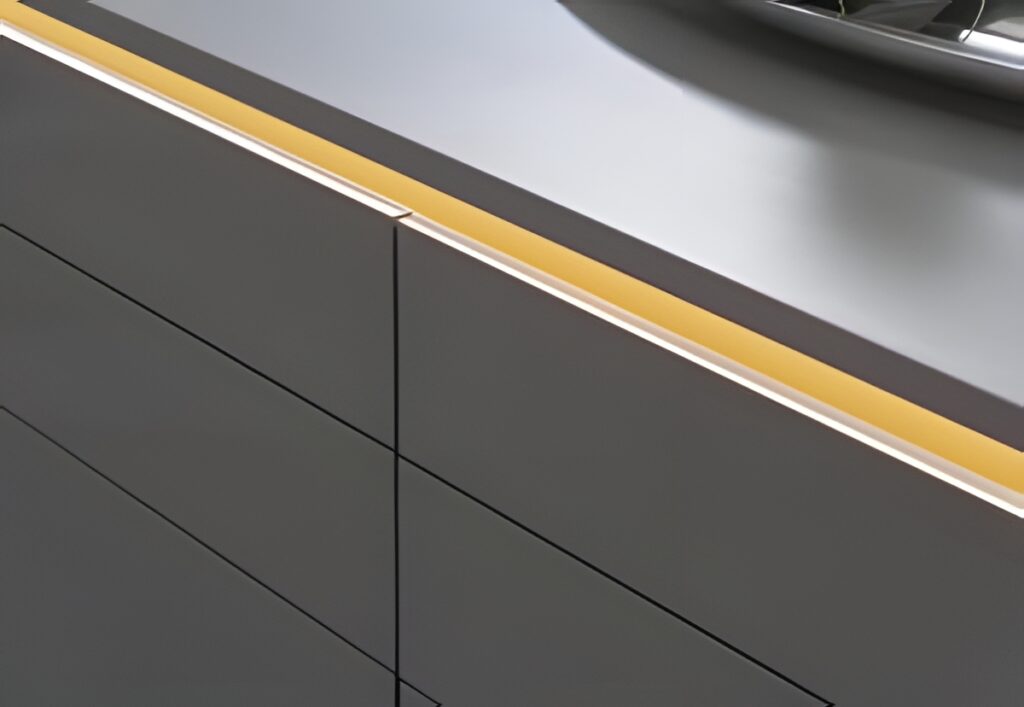
Metal Accents in German Kitchen Cabinets
Introducing metal elements into the craftsmanship of German kitchen cabinetry offers more than just visual depth; it significantly boosts the overall endurance of the structures. As designers increasingly blend modern materials such as melamine, genuine lacquer, MDF wood-fibre board, and lacquer laminate with metals like steel and slate, they create cabinets that evoke an industrial-chic allure while promising heightened durability.
Metallo + Legna, a product line from our offerings, exemplifies this fusion by combining the earthiness of wood with the sheen of metal, creating an alchemy of design inspired by nature’s palette. This section explores the symbiotic relationship between these materials, delving into how metal reinforces wood and other surfaces to enhance the functional lifespan of cabinetry.
How Metal Enhances Cabinet Durability
Metal accents enrich the visual harmony of kitchen cabinets by contrastingly complementing wood and laminate textures and fortifying resilience against daily wear. Incorporating metal into key areas, such as flooring junctions or sturdy screw fixtures, ensures that the structural integrity of cabinets is not only maintained but enhanced against potential deformities.
Moreover, metals like stainless steel resist stain absorption and prevent waste from permanent marks or smudges, upholding the cabinet’s appearance over time. These metallic inclusions act as a safeguard, providing extra protection to the cabinet’s more vulnerable components and securing the cabinet’s longevity. By integrating elements from the Metallo + Legna line, we ensure that our cabinets embody aesthetic appeal and deliver unparalleled durability.
Types of Metals Used and Their Benefits
Metals such as aluminum and zinc are frequently selected for door fixtures and sink surrounds, areas prone to water damage and constant moisture exposure. Their use ensures that essential parts of the cabinetry are shielded from the deteriorating effects of water, thus contributing to the overall longevity of the kitchen‘s appearance and functionality.
In crafting parts that might frequently encounter water, like the area under the sink, stainless steel stands out for its exceptional resistance to corrosion and moisture. This choice of material frequently surfaces in FAQs due to its well-known durability, making it a favourite among experts who aim to minimize maintenance and maximize the lifespan of kitchen cabinets.

Glass Elements in German Kitchen Design
Amidst the array of sturdy materials in German kitchen designs, glass is a unique component that offers visual sophistication and functional resilience. Far from being a fragile addition, modern glass in the kitchen cabinets is treated to withstand the high heat and activity typical of the culinary space.
Glass doors resist corrosion and contribute to the cabinet’s overall strength when combined with solid structures like plywood frames. Carefully integrated, it complements the durable wood veneer finishes, offering a sleek interface that responds easily to the tap of arrow keys for soft-opening storage options. The thoughtful inclusion of glass elements in German kitchens enhances the aesthetic appeal and fortifies the longevity of the cabinets, making maintenance simpler for homeowners.
The Use of Glass for Aesthetic and Durability
Innovative German design seamlessly integrates glass into the heart of kitchen aesthetics, enhancing the natural beauty of woodgrain with a touch of contemporary finesse. The strategic use of glass allows for stunning visual continuity in cabinetry, presenting the sturdiness of maple and other hardwoods while lightening the overall weight and feel of the design.
Moreover, the durability of glass in this context is designed to honour all rights reserved in traditional craftsmanship, fusing the graceful transparency of glass with the robust nature of German cabinet construction. This ensures that the practical demands of a kitchen space are met without sacrificing the elegance of the design.
Maintaining Glass in Kitchen Cabinets
Maintaining the sparkle of glass in kitchen cabinets is simpler than one might assume; regular wiping with a soft cloth doused in a non-abrasive cleaner keeps the glass clear and smudge-free, ensuring that the kitchenspace continues to light up under the eye‘s gaze. Such care allows the glass to reflect the rich tones of the wood stain used on accompanying drawers and doors, further highlighting the beauty of the chosen wood species within the design.
In spaces where the daily use of drawers and cabinets is inevitable, the resilience of glass surfaces proves advantageous. Vigilance in promptly addressing any spots or spills on the glass, paralleling the care for the wood elements, secures its clarity and sheen—allowing the glass to serve not just as a design feature but as a durable companion to the robust cabinet structures that catch every eye.
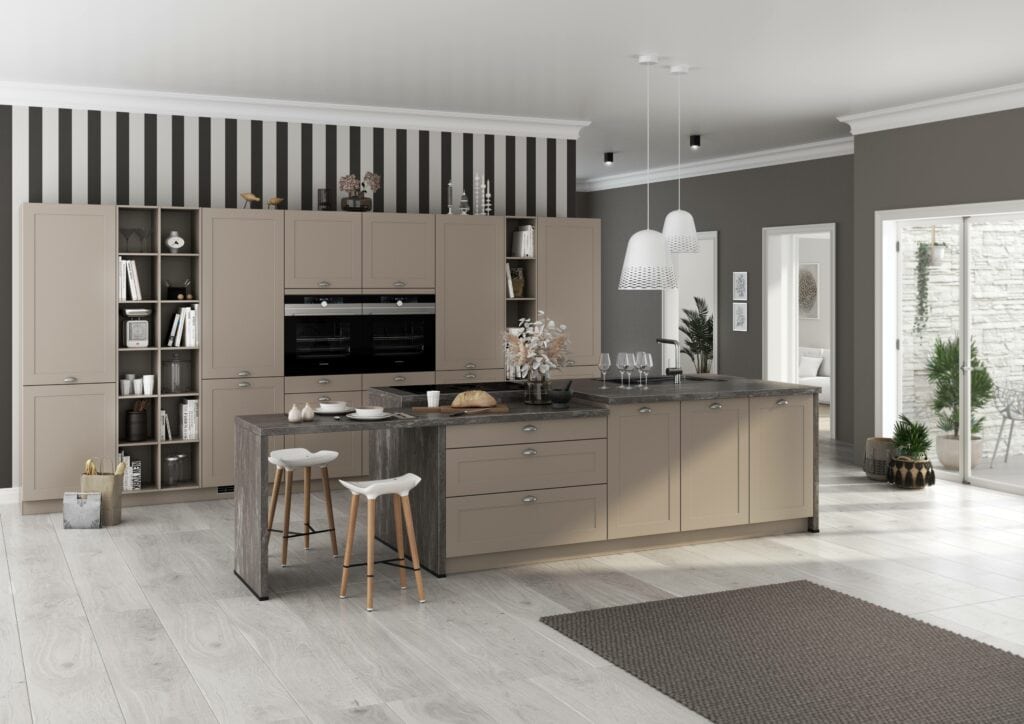
The Role of Finishes in Cabinet Longevity
The longevity of German kitchen cabinets isn’t solely attributed to their robust construction; the surface finishes play an equally significant role. Tailored to enhance both fibre integrity and taste, these finishes envelop the substrate, leaving no stone unturned in their quest to marry aesthetics with durability.
With a coat of wax or other sealants, these finishes form a defensive layer that staves off environmental damage and the rigour of daily use. This discussion will sift through the various types of finishes applied to German cabinets and elucidate on how these vital treatments extend the material’s lifespan while satisfying the discerning homeowner’s palate for style.
Types of Finishes Used in German Cabinets
German cabinet makers often apply a quartz-based finish to certain wood species, such as the resilient hickory. This finish elevates the wood’s natural patterns and serves as a firm barrier against wear and pests commonly found in kitchen environments, preserving the wood’s integrity against such natural adversaries. Another favoured finish is a premium lacquer treatment used on surfaces to enhance durability and maintain lustre.
This treatment protects the cabinetry from everyday messes and ensures the smooth functionality of all moving parts, ensuring that the cabinets’ beauty and utility endure over time. In addition to these finishes, the innovative Dekton and Alpi Series by Bauformat BC utilizes a blend of porcelain, quartz, and glass for durable surfaces. These materials provide exceptional resilience and aesthetic appeal, making them suitable for high-traffic kitchen areas.
Some surfaces incorporate a specially formulated soap treatment for a more eco-friendly option. This treatment maintains surface lustre and provides a protective barrier without heavy chemicals, aligning with modern sustainable practices and enhancing the longevity of your kitchen cabinets.
How Finishes Contribute to the Material’s Lifespan
When applied with skill, finishes bestow a shield upon the materials used in German kitchen cabinets, effectively repelling the common threats of moisture and heat. This protective film, a result of meticulous crafting, extends the life of the material at its core and the product as a whole, sustaining its structural and aesthetic integrity throughout years of use.
Cabinet finishes are not purely decorative; they are a decisive factor in material preservation. A well-selected and properly applied finish will seep into the wood’s pores, thwarting the absorption of liquids and warding off the dulling effects of sunlight. Thus, they play a pivotal part in ensuring that each cabinet remains a centrepiece in the kitchen as time marches on.

The Trend Toward Eco-Friendly Materials
The shift towards environmentally conscious living has begun to transform kitchen aesthetics and performance, with sustainable materials emerging as the heroes in modern cabinet design. The durability of these eco-friendly options rivals traditional choices, ensuring that kitchens look timeless and withstand the ebb and flow of daily life.
These innovative materials are setting new industry standards, shaping designs that are as kind to the planet as they are to the discerning homeowner’s desire for lasting quality and style.
Durability of Sustainable Materials
Eco-conscious materials have surged in popularity within the realm of kitchen innovation, and German cabinetry is no exception. These sustainable options, such as bamboo and recycled glass, are not only gentle on the environment, but their durability continues to impress, holding their own against more conventional materials in the wear-resistant test of time.
German design has embraced these eco-friendly resources, ensuring they meet the high standards of durability that consumers expect. The selected materials undergo rigorous quality checks, demonstrating robustness conducive to the dynamic kitchen environment without compromising environmental values.
How Eco-Friendly Materials Are Changing Designs
Eco-friendly materials are transforming kitchen design by combining sustainability with modern aesthetics. Wood veneer, praised for its sustainability and resistance to moisture, dirt, and scratches due to a premium protective lacquer, is a prime example, offering sleek, clean lines favoured in contemporary kitchen styles.
Bamboo, known for its rapid regrowth rate, also finds use, but wood veneer remains a top choice for its superior performance and natural beauty. The infusion of these sustainable substances into German cabinetry is reshaping design principles. Designers now prioritize the lifecycle of materials, creating kitchens that are both environmentally responsible and enduringly chic. By focusing on eco-friendly options like wood veneer, modern kitchens achieve a perfect blend of style and sustainability.
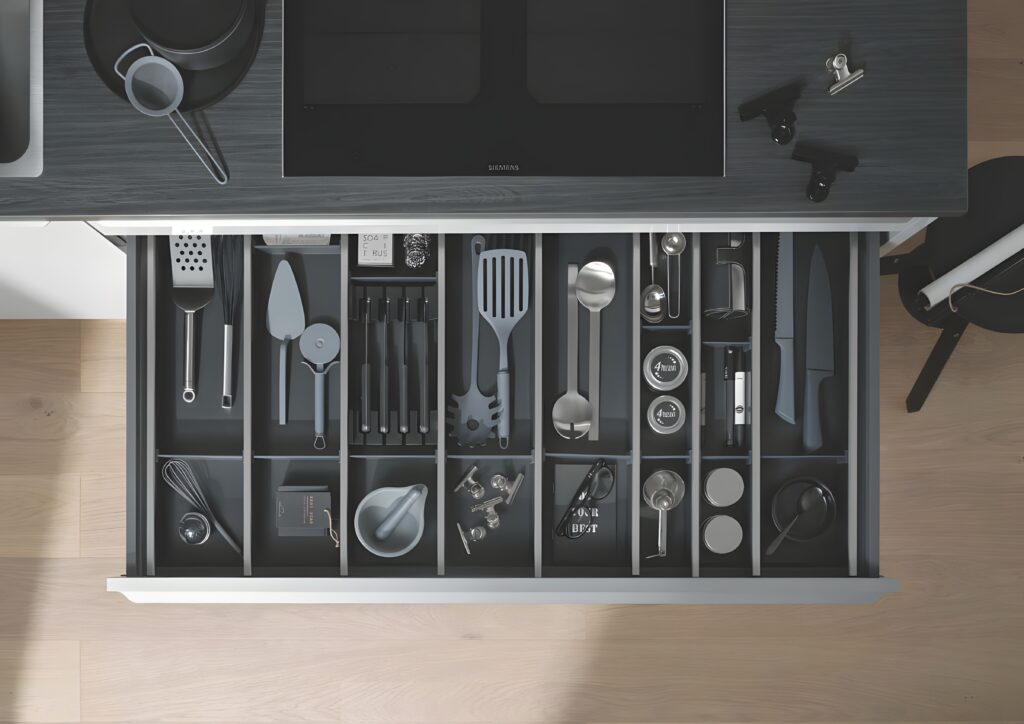
Future Trends in German Kitchen Cabinet Materials
The relentless innovation within the German kitchen cabinet industry points towards materials and design approaches that prioritize durability, setting new benchmarks for longevity. Researchers continue to push the boundaries of material science, striving to introduce advancements that bolster the inherent robustness of kitchen furnishings.
As consumers look toward the future, anticipating the next wave of German kitchen designs, they should look for groundbreaking materials and ingenious construction techniques that ensure resilience and timelessness. Brands like Bauformat BC exemplify this commitment, integrating sustainability into their production processes.
Every Bauformat kitchen is crafted through eco-friendly practices, ensuring choices that benefit both consumers and the environment. Such advancements are not merely incremental; they represent a significant leap forward in marrying form with function, resulting in spaces built to last amid the demands of modern living.
Innovations Likely to Enhance Durability
Infusing nanotechnology into cabinet material production is charting new territory in durability. By manipulating substances at the molecular level, engineers are creating surfaces that excel in repelling scratches, dents, and water damage, effectively extending the lifespan of kitchen cabinets.
Another promising development is the adaptation of smart materials that can self-heal minor scratches and thermal cracks. These advanced materials are designed to respond to environmental stimuli, potentially minimizing the need for repairs and retaining the aesthetic integrity of the cabinetry much longer than traditional materials.
What to Look for in Future German Kitchen Designs
Future German kitchen designs will adopt adaptive layouts reflecting modern lifestyles. These kitchens will employ multi-functional materials and innovative storage solutions, maximizing space and efficiency while maintaining the hallmark German aesthetic of clean lines and uncluttered elegance. Attention will also be paid to incorporating advanced technologies within kitchen surfaces and appliances, offering enhanced user experiences.
Expect to see touch-sensitive cabinets and countertops equipped with smart sensors that enhance utility and interaction, setting a new standard for convenience in kitchen design. Brands like Bauformat exemplify this design philosophy, where beauty goes beyond aesthetics. At Bauformat, every element is thoughtfully placed, and every finish meticulously crafted to ensure your kitchen is not just a space but a sanctuary of creativity and joy.
The Unmatched Durability of Bauformat BC German Kitchen Cabinets
German kitchen cabinets epitomize durability, achieved through a meticulous blend of innovative materials and advanced finishes that extend their lifespan. They seamlessly integrate multi-functional materials and engineered products, matching traditional wood in sturdiness while offering easy maintenance.
At Bauformat, the fusion of craftsmanship and technology ensures each kitchen is a masterpiece. Producing over 650 kitchens daily, our team of 1,200 experts combines artisanal skill with technological precision to create visually stunning, efficient, and durable kitchens. Eco-friendly options, like wood veneer and sustainable finishes, revolutionize design by providing sustainable yet resilient alternatives.
These meticulous construction methods and thoughtful material choices make German cabinetry a wise investment for lasting kitchen elegance and functionality. The future of kitchen design is here, combining timeless aesthetics with modern innovation to create spaces that truly stand the test of time. Experience the unmatched durability and elegance of Bauformat BC German kitchen cabinets. Contact us today to start designing your dream kitchen.
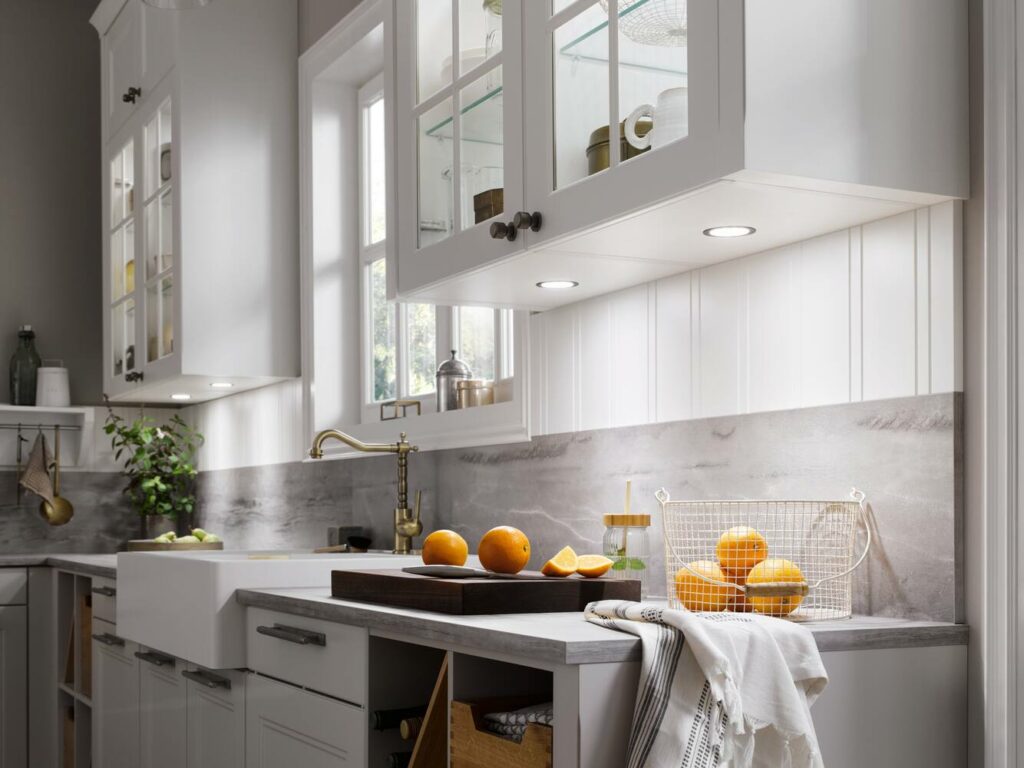
Maximize Wellness in Your Home: Top Healthy Kitchen Design Trends
Creating a kitchen that enhances health and wellness involves more than just cooking; it’s about fostering a space that encourages better nutrition and a healthier lifestyle. Healthy kitchen design trends now focus on sustainable materials and innovative appliances that elevate the environment and your well-being. By choosing non-toxic, eco-friendly finishes like bamboo, recycled glass, or low-VOC paints, you can significantly reduce your exposure to harmful chemicals, making your kitchen a safer place to prepare meals.
Smart technology is also revolutionizing modern kitchen spaces. These innovations, from appliances with built-in air purifiers to advanced water filtration systems, help create a healthier home environment. For example, refrigerators with humidity control and advanced air filtration systems ensure your food stays fresher, reducing waste and supporting healthier eating habits. Additionally, integrating German kitchen cabinets by brands such as Bauformat BC brings elegance and unmatched practicality and durability to your kitchen. By adopting these trends, your kitchen can become a central hub for promoting wellness and fostering a healthier lifestyle every day.
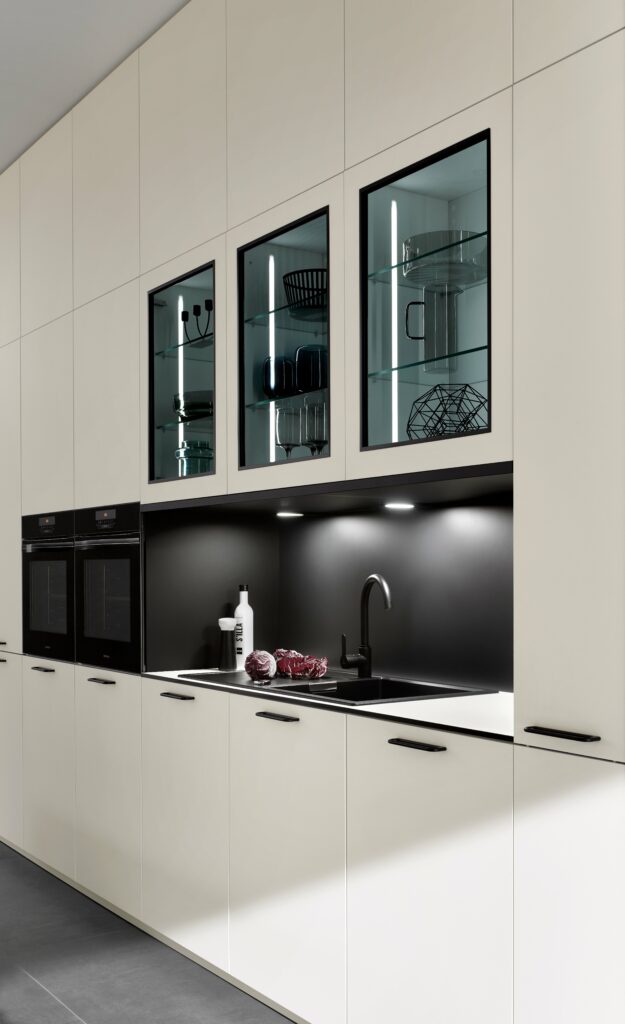
Embrace Sustainable Materials in Kitchen Design
Choosing sustainable materials is essential for a wellness kitchen. Modern kitchen designs increasingly favour wood veneer and glass laminate fronts for their blend of style and sustainability. Wood veneer captures the beauty of real wood with a resource-efficient approach, offering both warmth and elegance. Glass laminate fronts, mimicking frosted real glass, provide remarkable durability with high scratch resistance and an antibacterial coating, making them a hygienic choice for any kitchen.
Top Sustainable Materials for Your Kitchen
- Wood Veneer: Offering the beauty of real wood while being more resource-efficient, wood veneer fronts are a luxurious and eco-friendly option. They provide the warmth and elegance of traditional wood with a sustainable twist.
- Glass Laminate Front: This innovative material mimics frosted real glass but is ten times more break-resistant and 50% lighter. With high scratch resistance and an antibacterial coating, glass laminate fronts ensure durability and hygiene, making them ideal for modern kitchens.
- Bamboo: Fast-growing and renewable, bamboo is perfect for countertops and flooring. Its natural beauty and strength make it a standout choice.
- Reclaimed Wood: Using reclaimed wood for cabinetry or shelving adds character and reduces waste. Each piece tells a story and brings a unique charm to your kitchen.
- Natural Stone (Granite or Quartz): These materials are durable, easy to maintain, and resistant to bacteria. They offer both functionality and elegance, contributing to a healthier kitchen environment.
Selecting these sustainable materials ensures your kitchen is stylish and environmentally conscious, supporting your wellness goals while enhancing your home’s overall aesthetic.
Smart Appliances to Enhance Your Wellness Kitchen?
Smart appliances enhance convenience and efficiency in your kitchen. They save time and promote healthier cooking habits. For example, smart refrigerators monitor food freshness. They help you avoid spoiled ingredients and encourage a diet rich in fresh produce. Steam ovens cook food with minimal oil. They preserve nutrients and promote healthy eating. Smart faucets reduce the spread of germs with touchless technology. They ensure a cleaner cooking environment.
Investing in smart appliances is a strategic move. It attracts health-conscious consumers and enhances your brand’s appeal. Smart refrigerators and steam ovens help maintain a nutritious diet, and touchless faucets keep the environment hygienic. This investment improves functionality and appeals to health-conscious consumers. It enhances your property’s value and positions your brand as a leader in promoting wellness.
What Role Does Lighting Play in a Healthy Kitchen?
Lighting enhances a healthy kitchen by improving visibility and boosting well-being. Natural light brightens the space and offers health benefits, such as improving mood and boosting energy levels. Large windows and skylights maximize natural light, creating a vibrant atmosphere that enhances well-being.
Ambient and task lighting are crucial for functionality. LED lights are energy-efficient and provide bright, clear cooking and food preparation illumination. Placing these lights under cabinets and above countertops enhances visibility and safety, ensuring you can perform tasks precisely and reduce the risk of accidents.
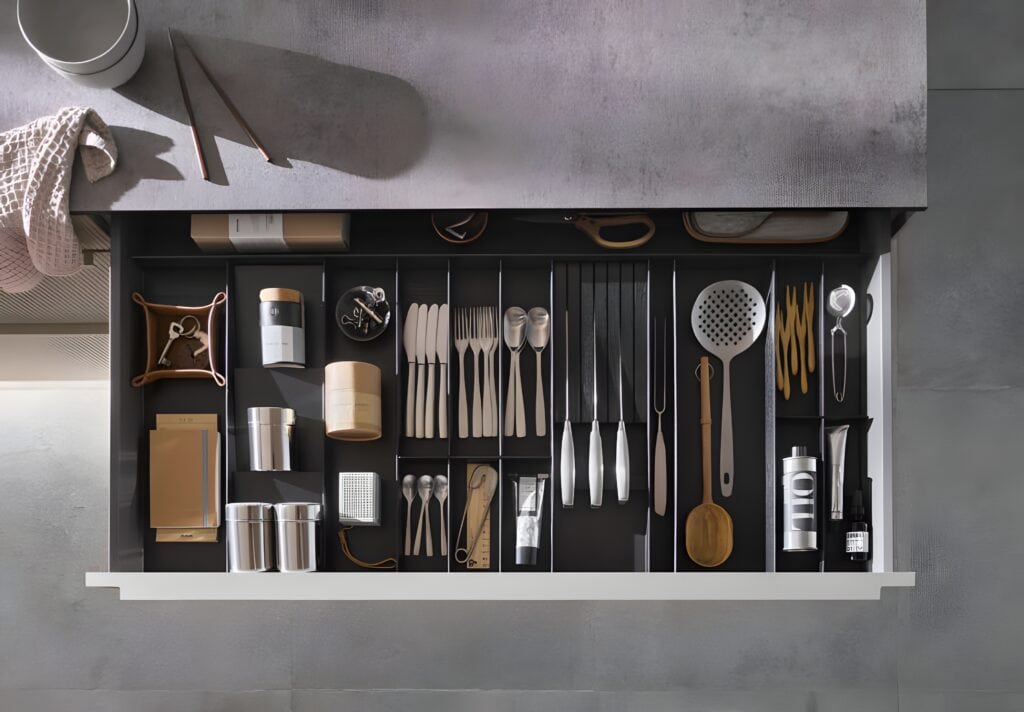
The Benefits of Open Shelving and Decluttered Spaces
Open shelving enhances a healthy kitchen design by creating a spacious, airy feel. It encourages organization and reduces clutter. Displaying healthy foods on open shelves, such as fruits and whole grains, can inspire healthier eating habits. This visual appeal beautifies your space and promotes a wellness-focused lifestyle.
Three top benefits of open shelving include:
- Improved Organization: Open shelves make it easier to see and access your kitchen items, reducing the chances of clutter.
- Enhanced Aesthetic Appeal: They create a visually appealing, open atmosphere that makes the kitchen feel larger and more inviting.
- Encourages Healthy Eating: Displaying fresh produce and whole grains on open shelves makes healthy options more visible and accessible.
A decluttered kitchen promotes a stress-free environment, making it easier to focus on preparing healthy meals. Implementing storage solutions, such as drawer organizers and pantry systems, can help keep your kitchen tidy and functional, enhancing the overall wellness of your space. These healthy kitchen design trends improve functionality and contribute to a healthier, more enjoyable cooking experience.
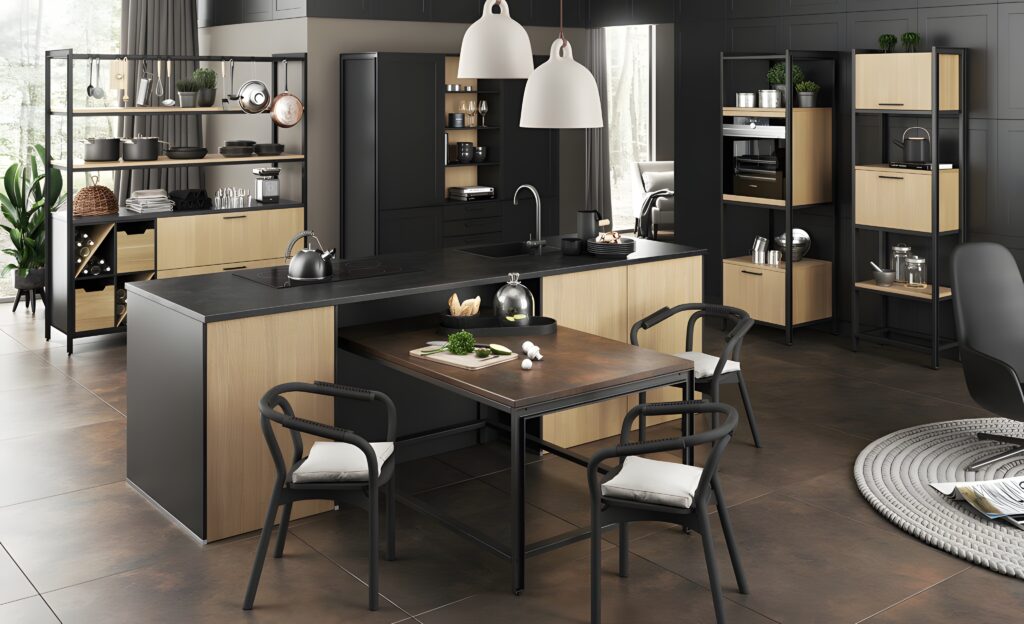
Why Is an Ergonomic Kitchen Layout Important?
An ergonomic kitchen layout minimizes strain and boosts efficiency. This design promotes a healthy cooking environment by reducing physical stress and making food preparation easier. The “kitchen work triangle” concept, which positions the sink, stove, and refrigerator within easy reach, exemplifies this approach. It minimizes unnecessary movement and enhances workflow, making cooking more enjoyable and less tiring.
Adjustable countertops and cabinets support ergonomic design by accommodating various heights and physical needs. This makes the kitchen more accessible and comfortable, promoting a healthy lifestyle. An ergonomic layout improves functionality and encourages a more pleasant and sustainable cooking experience. Interior designers recommend this approach as part of the latest kitchen trends in wellness design.
Incorporate Natural Elements
Natural elements in the kitchen enhance well-being and aesthetics. Incorporating indoor plants improves air quality and creates a calming atmosphere. Herb planters on windowsills or countertops add greenery and provide fresh herbs for cooking, promoting healthy eating habits. These design ideas tie into creating a healthy home environment.
Using natural materials like wood and stone in your kitchen design creates a warm, inviting space. Bauformat BC, recognized with the Bauformat Awards 2023 and the Blue Angel Label, exemplifies these principles. Their woods are produced and processed with low emissions, ensuring they are harmless to health. These materials connect you to nature, fostering a sense of tranquillity and well-being in your home. House plants and other natural elements make the space feel more organic. Embracing these elements enhances the aesthetic appeal and contributes to a healthier kitchen environment.
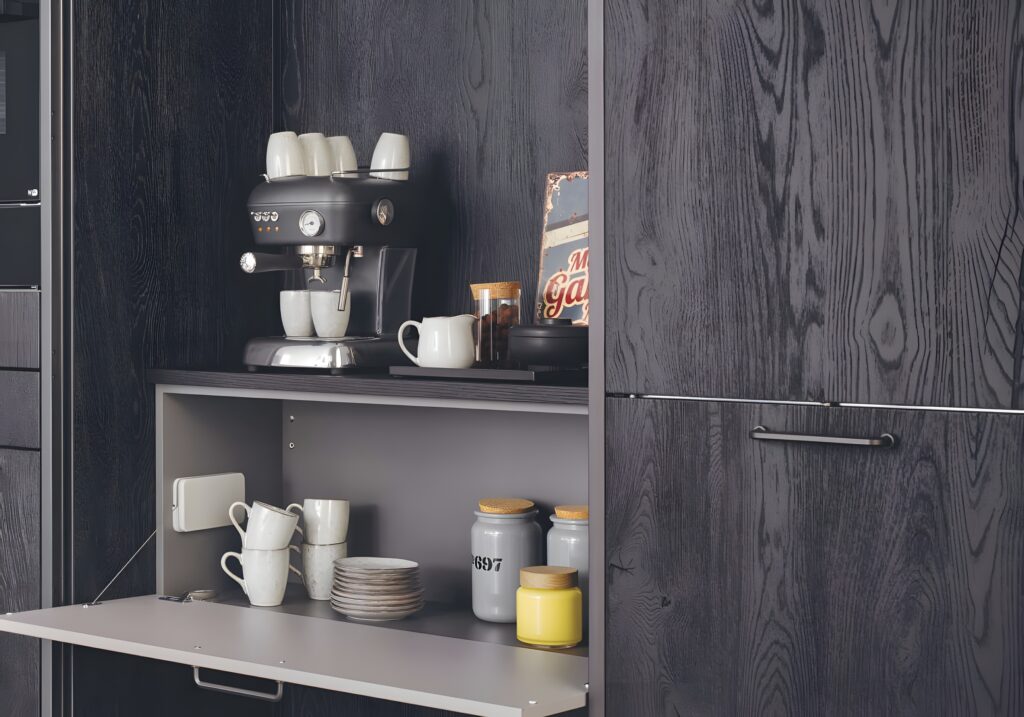
The Importance of a Dedicated Pantry Area
A dedicated pantry area optimizes storage for healthy foods. It makes maintaining a nutritious diet easier by providing ample space for stocking staples. Organizing your pantry with clear containers and labels helps you track inventory and reduce waste, promoting a clutter-free space.
A well-organized pantry ensures healthy staples, such as whole grains, nuts, and dried fruits, are always within reach. This setup fosters healthy eating habits and enhances your kitchen’s functionality and aesthetics. Dedicated pantry areas support a wellness-focused lifestyle by making accessible nutritious choices, contributing to a healthy and sustainable living environment.
Additional Integration
Homeowners can make their kitchen easier to clean and socialize by incorporating open shelving and dedicated pantry areas. Kitchen islands and banquettes create room for food prep, standing, and sitting to converse, aligning with the trend of social kitchens. Incorporating compost bins and managing food scraps reduces food waste and dependence on grocery stores, connecting your kitchen to sustainable practices and reducing landfill waste.
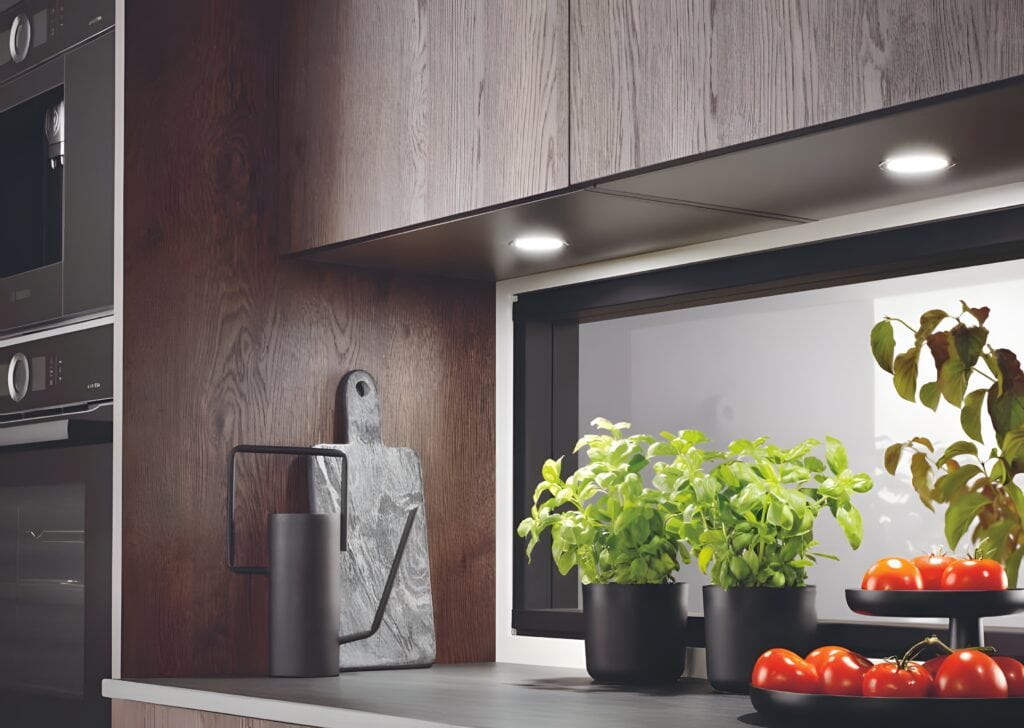
The Role of Innovative Kitchen Gadgets in Promoting Health
Innovative kitchen gadgets can make cooking healthier and more enjoyable. Devices like air fryers, slow cookers, and blenders can help you easily prepare nutritious meals. These gadgets save time and encourage healthy cooking techniques, such as steaming, blending, and slow cooking.
Investing in high-quality kitchen gadgets can inspire you to experiment with new recipes and ingredients, promoting a more varied and balanced diet. These tools are essential for a modern wellness kitchen, supporting a healthy lifestyle through convenience and innovation.
Future Trends in Wellness Kitchen Design
Wellness kitchen design trends prioritize creating healthier, more efficient, personalized kitchen spaces. Future kitchens will include energy-efficient appliances, smart home technology, and sustainable materials tailored to individual needs and preferences.
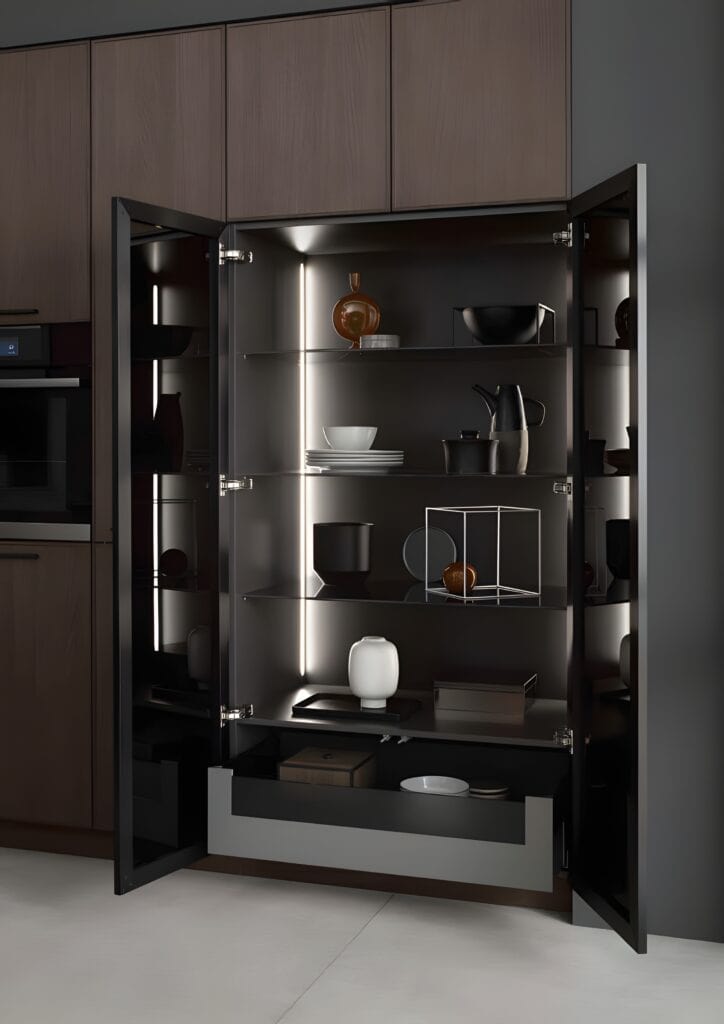
Smart and multifunctional appliances will become a significant trend.
Kitchen devices will integrate smart technology to enhance functionality and efficiency. Homeowners will commonly use Wi-Fi-enabled appliances and multifunctional units, such as combination ovens with built-in air fryers, to optimize space and simplify cooking processes.
Smart kitchen advancements align with the Internet of Things (IoT) movement. This technology improves household task management. The North American smart kitchen market is projected to grow at a compound annual growth rate (CAGR) of 19.1% from 2021 to 2028. Consumers will benefit from appliances that provide convenience and promote health. For instance, smart refrigerators will track food freshness and suggest recipes based on available ingredients. At the same time, advanced water filtration systems will provide access to clean, safe drinking water directly from the tap.
Bauformat: Pioneering Healthy Kitchen Design Trends
Healthy kitchen design trends focus on creating spaces that promote well-being, efficiency, and sustainability. Modern kitchens use eco-friendly materials, energy-efficient appliances, and ergonomic designs to support a healthy lifestyle. Bauformat BC, a leading seller of modern German kitchen cabinets, incorporates these design principles into its offerings. Their cabinets, crafted with precision and sustainability, blend aesthetics and functionality, making them an excellent choice for enhancing kitchen environments. Whether planning a kitchen remodel or designing a new kitchen, Bauformat BC ensures a kitchen designed for wellness.
Bauformat BC designs modern cabinets that go beyond mere storage solutions. The cabinets feature ergonomic layouts that reduce strain and improve accessibility. Smart storage solutions ensure everything is within reach, promoting a clutter-free environment aligned with healthy living principles. By integrating these advanced design elements, Bauformat BC helps create stylish kitchens that support a healthy, sustainable lifestyle. From countertops to backsplashes, their designs reflect the latest kitchen trends in Vancouver, providing interior design solutions that are both easy to clean and on-trend. Embracing natural elements and sustainable building practices, Bauformat BC offers decorating ideas that connect homeowners to nature and promote wellness in their cooking spaces.
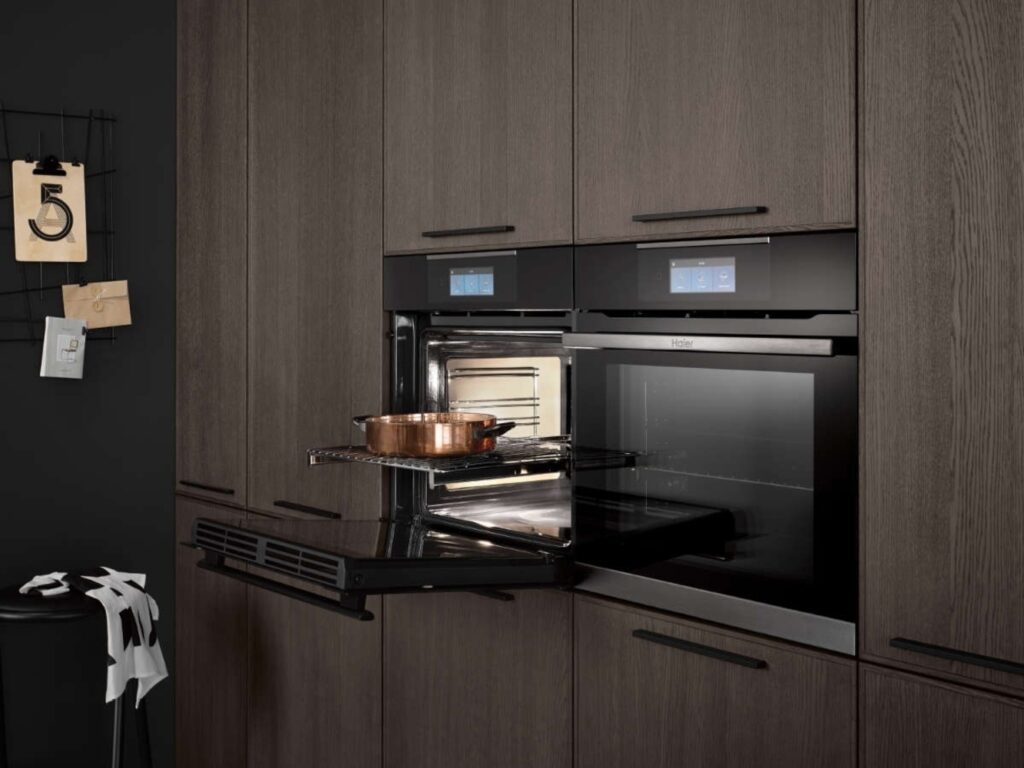
Smart Kitchen Design: Internet of Things Solutions
German kitchens set a new standard in craftsmanship, seamlessly blending high-quality materials with state-of-the-art technology. This ensures that every component, from the cabinets to the countertops, is designed for durability and peak performance. Innovative German kitchen designs integrate IoT (Internet of Things) features, offering smart storage solutions and voice-controlled appliances that elevate functionality and user experience.
Bauformat BC, a leader in modern kitchen cabinets, exemplifies this perfect marriage of quality and cutting-edge innovation. While Bauformat BC focuses on providing top-tier cabinetry that enhances the aesthetics and functionality of your kitchen, these cabinets are designed to seamlessly integrate with the latest IoT technology, ensuring your kitchen remains at the forefront of modern design.
Sustainability lies at the heart of modern German kitchens. By incorporating eco-friendly materials and energy-efficient appliances, these kitchens significantly reduce their environmental impact while promoting healthier living. Historically, German engineering has focused on precision and efficiency, a tradition that continues today. This cultural emphasis on sustainability and responsible resource use makes German kitchens highly sought after, especially in eco-conscious communities like Vancouver.
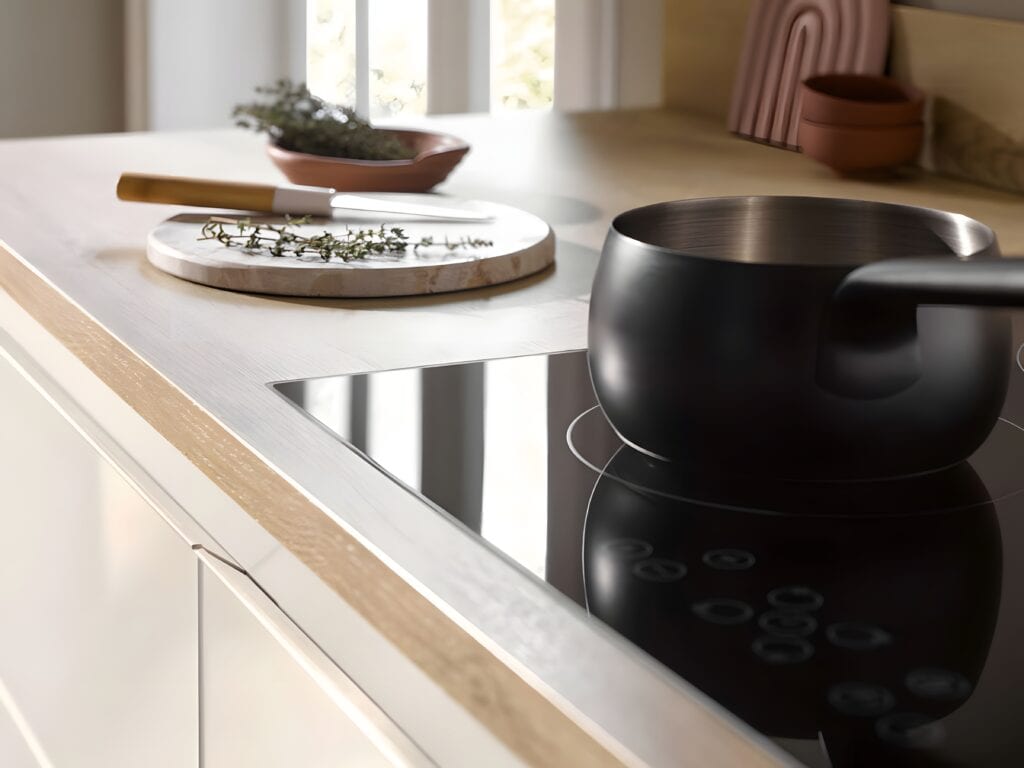
IoT-Enabled Kitchen Appliances and Devices
German kitchen cabinets and appliances now incorporate IoT-enabled devices, redefining convenience and efficiency. These include smart refrigerators, ovens, dishwashers, and countertop appliances, each designed to simplify and enhance the cooking experience. These appliances offer remote control capabilities, automated programming, and real-time monitoring, allowing homeowners to manage their kitchens easily.
The features of IoT-enabled devices in German kitchens are impressive. Smart refrigerators can track inventory, suggest recipes based on available ingredients, and even place grocery orders. Ovens can be preheated remotely and programmed to cook meals perfectly with minimal supervision. Dishwashers can adjust their cycles based on the load, ensuring optimal water and energy use. Countertop appliances, such as coffee makers and blenders, can be scheduled to prepare beverages and meals exactly when needed.
Features and Functionalities
IoT-enabled kitchen appliances offer a range of features designed to improve daily life:
- Remote Control: Manage appliances from anywhere using a smartphone or tablet.
- Automated Programming: Set appliances to operate at specific times or under certain conditions.
- Real-Time Monitoring: Receive updates and alerts about appliance status, maintenance needs, etc.
These functionalities streamline kitchen operations, making everyday tasks more efficient and allowing for greater focus on cooking creativity and enjoyment. With these advancements, German kitchens continue to lead in innovation and user-centric design.
Integration of IoT in German Kitchen Cabinets
German kitchen cabinet manufacturers are at the forefront of modern kitchen design, seamlessly blending craftsmanship with the latest technology. While not all cabinets have IoT features, many modern German kitchens incorporate IoT-enabled appliances and smart devices that fundamentally reshape kitchen interactions. This integration leads to advanced features that enhance the kitchen’s efficiency, convenience, and sustainability.
Scientific studies highlight the advantages of IoT technology in optimizing household management, reducing food waste, and improving overall kitchen functionality. For example, IoT-based appliances with built-in sensors continuously monitor and adjust temperature and humidity levels, ensuring optimal storage conditions. These sensors prevent spoilage and preserve the quality of stored items, contributing to a more efficient and environmentally friendly kitchen. By integrating these smart technologies with high-quality modern cabinets, German kitchen designs offer a perfect blend of innovation and style.
Built-in Sensors: Ensuring Optimal Storage Conditions
IoT-enabled smart cabinets with sensor-equipped monitoring systems constantly monitor and adjust temperature and humidity levels, ensuring optimal storage conditions. These sensors prevent spoilage and preserve the quality of stored items, contributing to a more efficient and environmentally friendly kitchen. Connected devices in these cabinets can communicate via a Wi-Fi network with other intelligent kitchen devices, enhancing the overall connected kitchen experience.
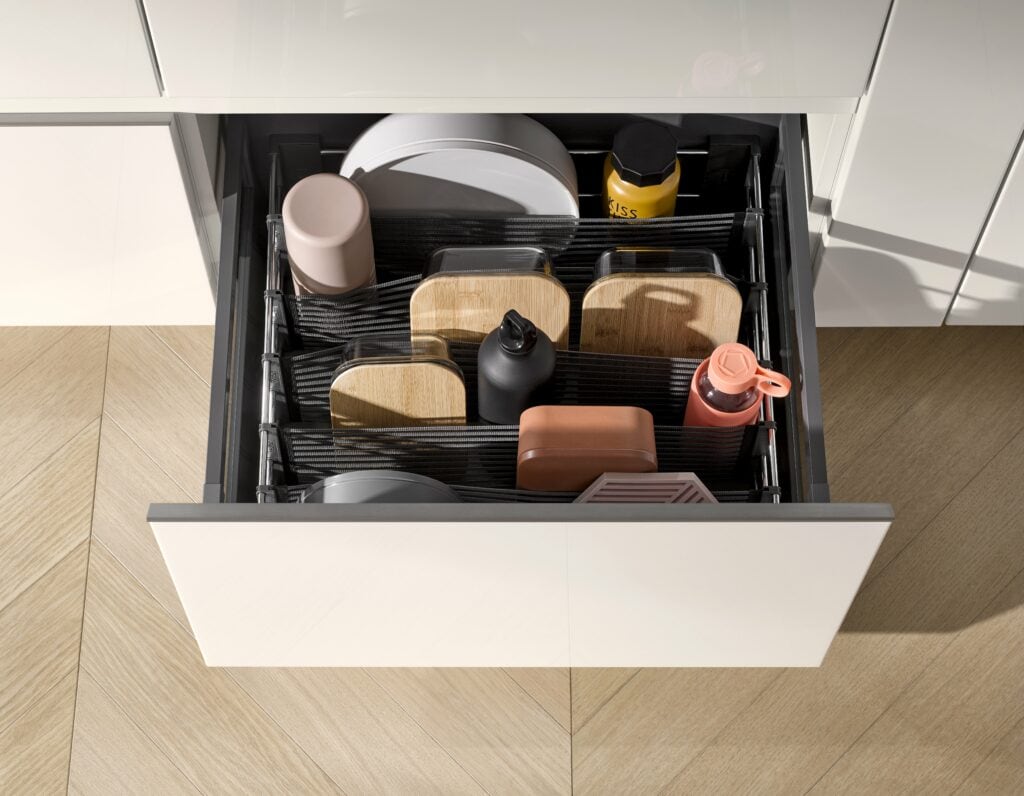
Smart Storage Solutions: Enhancing Organization and Inventory Management
The incorporation of intelligent storage solutions revolutionizes kitchen organization by using advanced tracking systems. These systems can monitor inventory levels and send notifications when items run low and need replenishment, effectively minimizing waste and streamlining grocery management. RFID technology, along with Bluetooth connectivity, helps track the number of items, ensuring you can manage your pantry efficiently, even at work.
Voice control integration adds another convenience layer, allowing users to operate home appliances and kitchen lighting hands-free. This feature is particularly beneficial when multitasking or during meal preparations, enhancing the user experience. Smart kitchen technology, like voice-activated systems, can also connect with other IoT devices in the home, such as a smart oven, smart fridge, or smart coffee machine, to increase the efficiency of the cooking process.
The adoption of IoT in German kitchen cabinets is driven by the need for smarter, more responsive home environments, providing practical solutions that align with modern lifestyles. The ability to control smart appliances remotely, monitor energy usage, and receive cooking temperature alerts without human intervention ensures that the home’s heart remains efficient and secure.
- Built-in sensors: Monitor temperature and humidity to maintain ideal storage conditions.
- Smart storage solutions: Track inventory and notify users when items need restocking.
- Voice control integration: Operate appliances and lighting hands-free for added convenience.
- IoT devices: Connect and control various home appliances to enhance smart kitchen experiences.
- Energy efficiency: Optimize energy usage and reduce waste through connected devices.
- Smart kitchen appliances: Enhance food preparation and cooking settings with IoT solutions.
Unsurprisingly, smart homes and IoT in the kitchen are making kitchens smarter and more efficient. Research has been done on how IoT solutions can transform nearly every aspect of food preparation and waste management, benefiting many sectors, including the restaurant industry and food service. Smart homes are constantly evolving, and the integration of IoT-enabled devices like smart cooking appliances is at the forefront of this transformation, ensuring the kitchen remains the heart of the home.
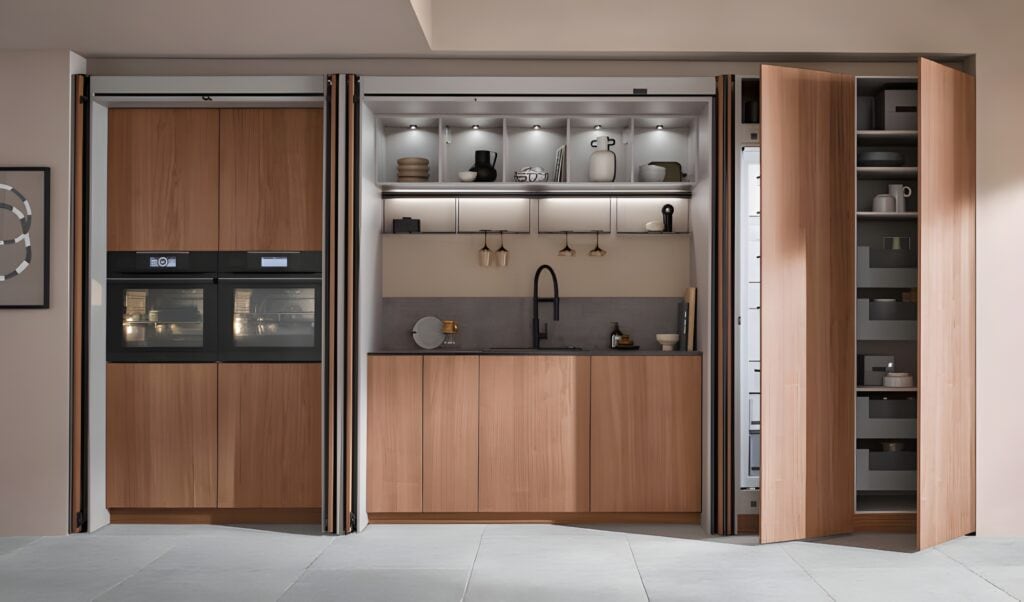
Benefits of IoT in Kitchen Design
Integrating Internet of Things (IoT) technology into kitchen design revolutionizes how we approach cooking and food preparation. By leveraging smart devices and automation, IoT-enabled kitchens offer a range of benefits that improve efficiency, enhance user experience, and promote sustainability.
Here’s how IoT transforms kitchen design and why it’s a game-changer: IoT-enabled kitchens streamline tasks and save time by automating various processes. Smart appliances like ovens, refrigerators, and dishwashers can be controlled remotely, allowing users to start cooking or cleaning even before entering the kitchen. This automation frees up time for other activities and enhances convenience, as users can tailor the kitchen environment to their preferences.
Moreover, IoT technology in kitchens promotes sustainability by optimizing energy use and reducing waste. Smart refrigerators can adjust their internal temperature based on how full they are, minimizing energy consumption. Connected ovens have been shown to reduce raw material use by up to 10% and energy use by 28%. IoT-enabled devices can also detect when food is about to expire and send notifications to users, helping to reduce food waste.
Key benefits of IoT in kitchen design include:
- Improved efficiency and time-saving
- Enhanced user experience and convenience
- Increased sustainability and energy savings
- Personalization and customization options
By integrating IoT technology into kitchen design, homeowners and chefs can create intelligent, user-friendly spaces that promote sustainability and enhance the overall cooking and living experience. As smart appliances and automation become more prevalent, the future of kitchen design looks brighter and more efficient than ever before.
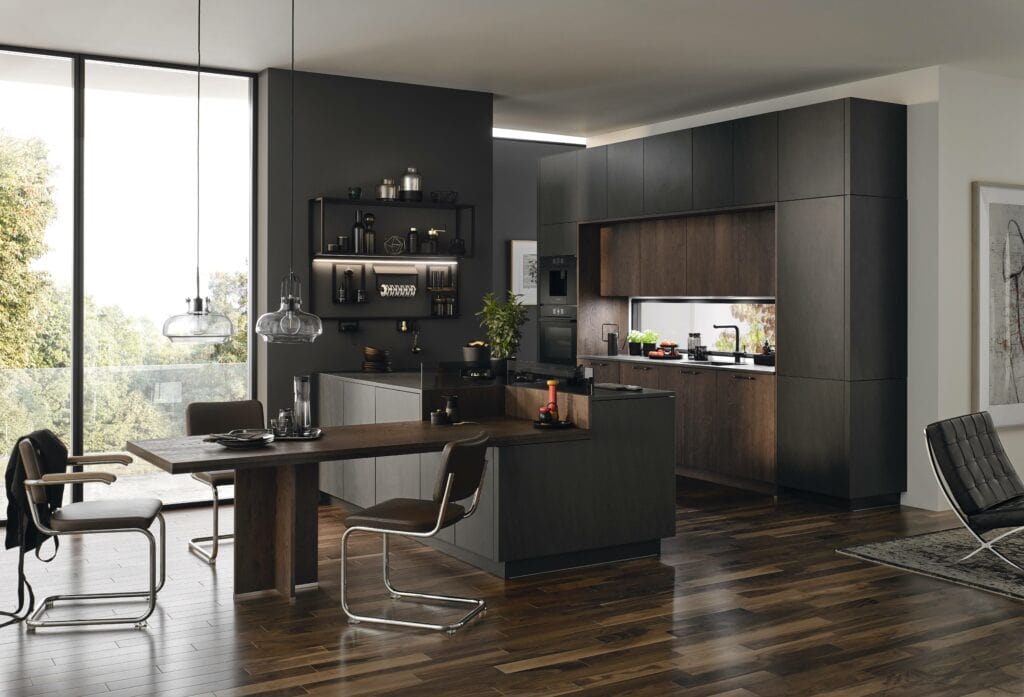
Future Trends and Innovations in Kitchen Design
The kitchen of the future is evolving with groundbreaking trends and innovations. This section delves into how artificial intelligence, sustainability, smart appliances, modular designs, touchless technology, and personalized experiences revolutionize kitchen spaces. Discover how these advancements are creating more efficient, eco-friendly, and user-centric kitchens, shaping a future where culinary spaces are not just for cooking but are intelligent, sustainable, and adaptive to individual needs.
Integration of Artificial Intelligence and Machine Learning
Artificial intelligence and machine learning will profoundly impact kitchen design. These technologies enable appliances to learn user preferences and habits, optimizing their performance. For example, intelligent ovens can adjust cooking times based on past usage, while refrigerators can suggest recipes based on available ingredients. Sensor technology and connectivity advances enhance this experience, allowing for real-time adjustments and improved efficiency. As AI becomes more sophisticated, kitchens will evolve into highly intuitive spaces that cater to individual needs.
Sustainability and Eco-Friendly Materials
Sustainability is another emerging trend. The focus on eco-friendly materials and energy-efficient systems is gaining traction. Imagine while you’re at work, you forgot to turn off your oven or kitchen appliances. IoT-enabled kitchens can reduce energy consumption through intelligent management of appliances, contributing to a more sustainable and safe lifestyle. Designers increasingly use recycled materials and design for energy efficiency, aligning with global environmental goals. These trends will make kitchens more functional, efficient, and environmentally friendly, shaping the future of kitchen design in a way that aligns with broader ecological imperatives.
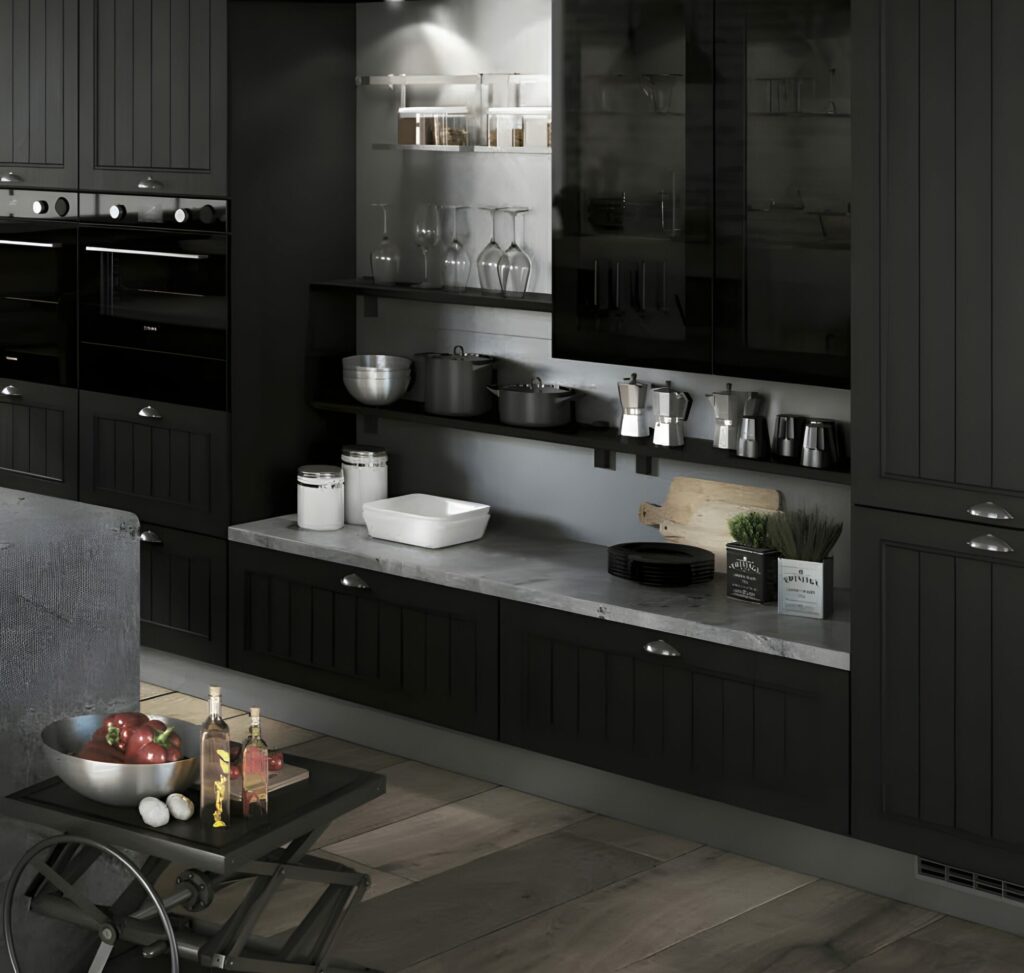
Touchless Technology and Enhanced Hygiene
In the wake of global health concerns, touchless technology is gaining prominence in kitchen design. Motion-sensor faucets, touchless trash cans, and voice-activated appliances minimize contact with surfaces, reducing the spread of germs and enhancing hygiene. These innovations not only improve cleanliness but also add a layer of convenience, making kitchen tasks more efficient and sanitary.
Personalized Kitchen Experiences
The trend toward personalized kitchen experiences is gaining momentum, allowing homeowners to create kitchens that reflect their unique preferences and lifestyles. Customizable features such as adjustable lighting, temperature-controlled storage, and tailor-made cabinetry ensure a kitchen space that is both functional and aesthetically pleasing. Homeowners can select from a wide array of options, including bespoke finishes, colours, and materials, designing a kitchen that truly feels like their own. This level of personalization enhances the overall cooking and dining experience by tailoring the kitchen to its users’ specific needs and desires.
The Baulux Series exemplifies this trend by providing modern kitchen cabinets that integrate with IoT-enabled appliances to create a highly personalized and efficient kitchen space. While Baulux focuses on sophisticated design and high-quality materials, these cabinets are designed to complement smart technology, ensuring a cohesive and functional kitchen environment. The deep, rich tones of natural wood and refined textures offered by Baulux add a touch of luxury and elegance, enhancing the overall aesthetic of IoT-integrated kitchens. By combining Baulux’s exquisite cabinetry with the latest in IoT technology, homeowners can enjoy a kitchen that is not only beautiful but also smart, responsive, and tailored to their lifestyle needs.
Bauformat Transforms Kitchens with IoT Integration
IoT in kitchen design offers transformative potential by enhancing functionality, efficiency, and sustainability. Data privacy, security, and device compatibility remain crucial, but manufacturers and designers address these challenges with robust security measures and open-source platforms. Regular maintenance and updates ensure seamless integration and optimal performance of smart appliances. Artificial intelligence, advanced sensor technology, and eco-friendly materials are key trends shaping the future of kitchen design, creating intuitive, energy-efficient spaces tailored to individual needs. Bauformat exemplifies this approach with a design philosophy emphasizing functionality and beauty, crafting kitchens that transform culinary adventures into effortless, joyful experiences.
Nestled in the heart of Vancouver, Bauformat stands as a beacon of innovation, renowned for its meticulously crafted modern kitchen cabinets and designs that seamlessly accommodate IoT technology. Their commitment to quality and cutting-edge trends makes them the premier choice for homeowners seeking the best kitchen design. Explore IoT-enabled kitchen design options to experience these benefits firsthand. Integrating these technologies into your home creates a smart, efficient, sustainable kitchen. Resources like Bauformat provide valuable insights and innovative solutions, ensuring every element is thoughtfully placed and meticulously crafted. Your kitchen will be a space and a sanctuary of creativity and joy. Embrace the future of kitchen design with IoT technology and the meticulous craftsmanship of Bauformat.
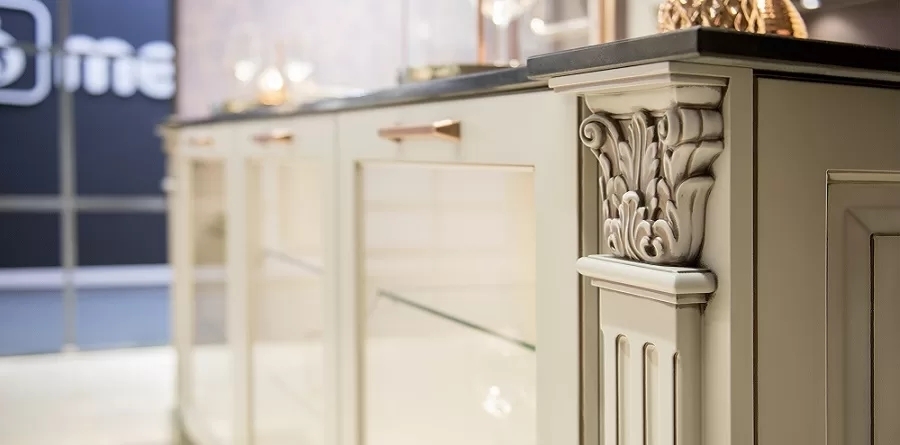
German Kitchen Cabinets: Tracing a Brief History of Craftsmanship and Style
German kitchen cabinets epitomize the marriage of innovation and artistry. Their excellence traces back to the early 20th century when Germany emerged as a leader in industrial design. Pioneers like Bauhaus championed functionality and simplicity, rejecting ornamental excess in favour of clean lines and practical layouts. This approach transformed kitchen design, emphasizing efficiency and aesthetics and influencing contemporary styles.
Technological advancements have further cemented the reputation of German kitchens. Precision engineering and high-quality materials ensure durability and performance. For instance, innovations in hardware, such as soft-close hinges and adjustable shelving, showcase Germany’s commitment to enhancing the user experience. Combined with a meticulous approach to cabinetry construction, these features have set a global standard for quality and reliability in kitchen design.
The allure of German kitchen cabinets extends beyond their functional benefits. Their timeless appeal is rooted in a philosophy that balances form and function seamlessly. Historical evidence suggests this design ethos resonates deeply with homeowners who value beauty and practicality. Brands like Bauformat BC in Vancouver continue this tradition, offering local homeowners access to these exceptional designs. By integrating Bauformat’s German craftsmanship, Vancouverites can enjoy kitchens that stand the test of time, ensuring both style and functionality for the future.
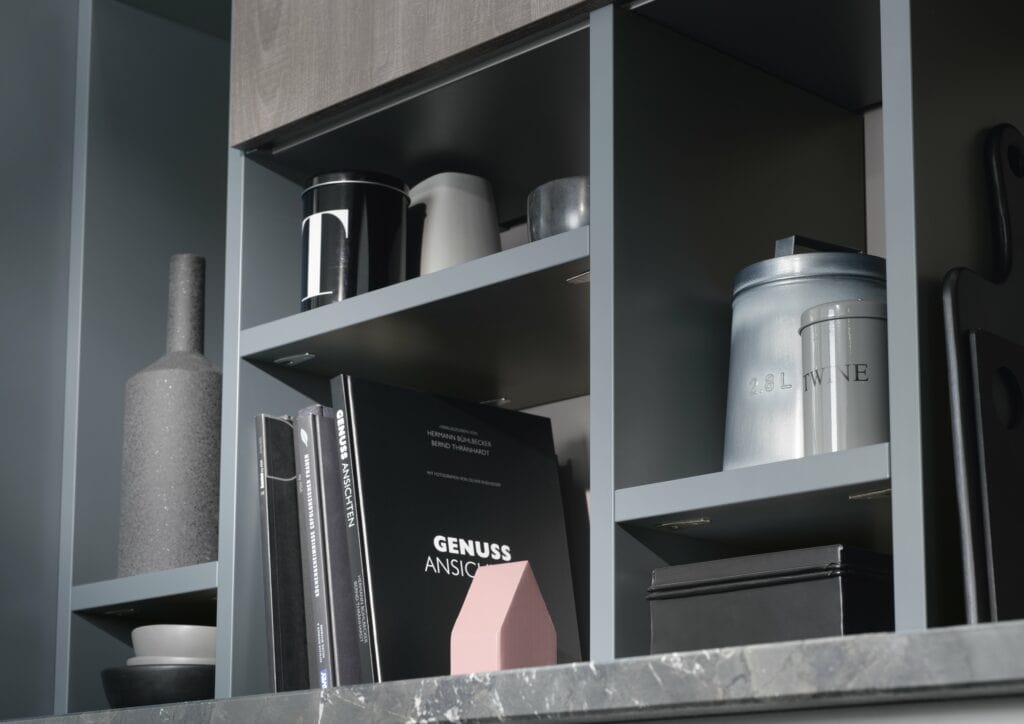
Early Beginnings: Traditional German Kitchen Cabinets
The origins of German kitchen design trace back to the early 20th century. Traditional craftsmanship and quality materials defined the industry. Early German kitchens featured wood cabinetry and intricate designs, showcasing meticulous attention to detail. These kitchens provided aesthetic appeal and ensured durability and longevity. These characteristics have stood the test of time, reflecting the enduring legacy of German kitchen design.
An influential figure in this legacy is Margarete Schütte-Lihotzky, who revolutionized kitchen design with her creation of the Frankfurt Kitchen in 1926. This was the first fitted kitchen designed to optimize space and efficiency, significantly reducing the time spent on household tasks. Schütte-Lihotzky’s design integrated practical features like built-in storage and ergonomic worktops, setting a new standard for kitchen functionality. Her work exemplified the marriage of traditional craftsmanship with innovative design principles, continuing to influence modern kitchen trends and reinforcing the prominence of German kitchen manufacturers in the global market. This evolution of German kitchen design underscores the blend of aesthetic beauty and practical functionality that many manufacturers continue to champion.
How Did Traditional German Kitchens Set the Stage?
Artisans dedicated countless hours to perfecting each piece of cabinetry. This commitment resulted in both functional and beautiful kitchens, laying the foundation for the high standards observed in modern German kitchen cabinets today. German engineering and design have consistently prioritized efficiency, making cooking more enjoyable. Brands like Bauformat BC continue this tradition, offering Vancouver homeowners access to exceptional designs that blend historical craftsmanship with contemporary innovation. This enduring commitment to quality and innovation ensures that German kitchens are preferred worldwide. With its modular kitchen systems and durable materials, German cabinetry offers a sophisticated and clutter-free living space. These German kitchen cabinets are renowned for their high-quality kitchen solutions, allowing homeowners’ kitchens to be upgraded with innovative worktops and door surfaces, creating a truly functional kitchen with a wow factor.
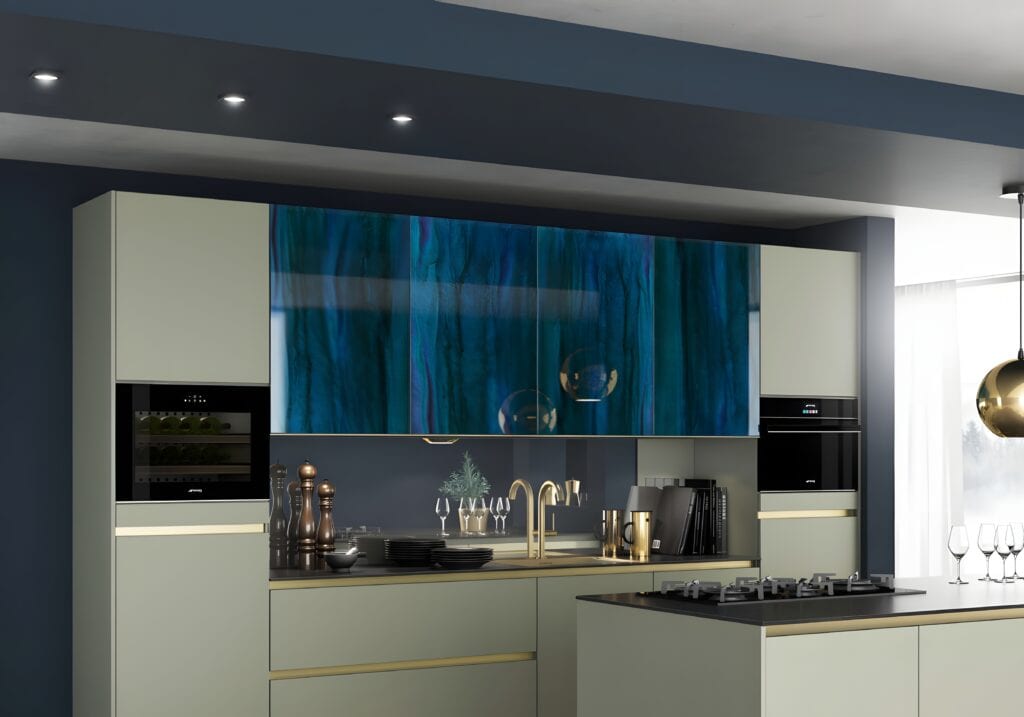
How Modern German Kitchen Cabinets Have Evolved
Modern German kitchen cabinets have evolved to meet the needs and preferences of today’s homeowners. These kitchens have become synonymous with good design and functionality, incorporating advanced kitchen appliances and design elements that cater to a contemporary lifestyle. Many German brands export their products globally, ensuring that the characteristic of German craftsmanship is accessible to a broad audience. Whether aiming to upgrade your kitchen or looking for a new one, German manufacturers offer everything you need to create a truly sophisticated and ultra-modern kitchen style.
German design emphasizes both aesthetics and practicality. Integrating innovative kitchen systems and worktops enhances the kitchen’s overall functionality. Brands like Bauformat are at the forefront of producing kitchens that are not only beautiful but also engineered for long-term use. With options that include a range of interior design styles and clutter-free solutions, German kitchens offer a blend of tradition and modernity that continues to captivate and inspire. This combination of engineering and design is what makes German kitchens a timeless choice for homeowners looking to enhance their living space.
The Rise of Modern German Kitchen Design
Why Is Modern German Kitchen Design Renowned?
Modern German kitchens are celebrated for their minimalistic aesthetics and high functionality. Precision engineering and innovative materials like lacquered surfaces and high-quality laminates enhanced appearance and durability. Bauformat’s lacquered fronts exemplify this trend, offering sophistication and durability that resonate with elegance and stand the test of time. This evolution reflects the adaptability and forward-thinking nature of German kitchen manufacturers. They have consistently embraced cutting-edge technology, integrating smart appliances and efficient storage solutions that cater to contemporary living standards. German kitchen design is synonymous with quality, efficiency, and elegance, making it a global benchmark in the industry.
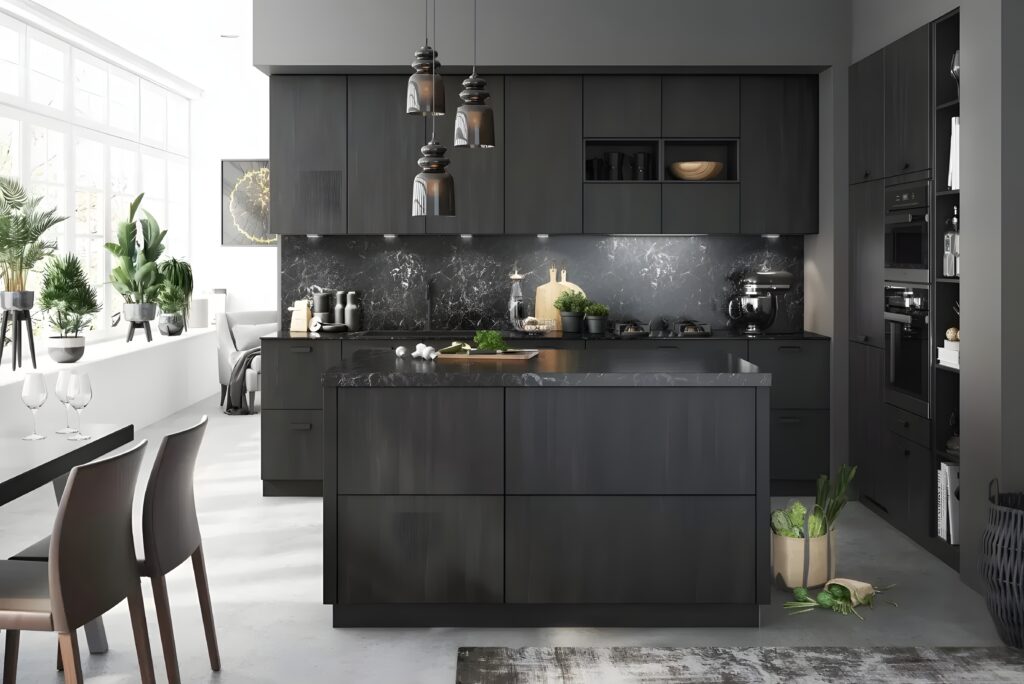
Key Innovations and Engineering Traditions
German kitchen design is defined by its commitment to quality and functionality. This tradition is built on precision engineering and high-quality materials like solid wood, stainless steel, and engineered composites. These elements ensure durability and longevity, while innovative features provide practical and ergonomic solutions.
What Defines Quality and Functionality in German Kitchens?
German kitchens are distinguished by their meticulous engineering, superior materials, and innovative features, creating a seamless blend of aesthetics and practicality.
- Precision Engineering: German kitchens are renowned for their meticulous construction methods. Every element is designed to fit seamlessly, ensuring a cohesive and well-functioning space. This precision engineering enhances the overall aesthetic and guarantees that all components work together flawlessly, providing a smooth and efficient cooking experience.
- High-Quality Materials: Using superior materials is a hallmark of German kitchen design. Solid wood, stainless steel, and engineered composites are commonly used, ensuring durability and longevity. These materials are chosen for their robustness and ability to withstand the demands of a busy kitchen, maintaining their beauty and functionality over time.
- Innovative Features: German kitchens have practical and innovative features that enhance functionality and ergonomics. Pull-out drawers provide easy access to stored items, soft-close hinges prevent slamming and ensure a quiet environment and modular components offer flexibility in design and usage. These thoughtful details contribute to a kitchen that is not only beautiful but also highly practical and user-friendly.

The Global Impact of German Kitchen Cabinets
German kitchen cabinets have profoundly reshaped global kitchen design, setting unparalleled standards for quality, functionality, and aesthetic appeal. This influence is evident in their widespread adoption across North America, Asia, and Europe. Renowned brands like Bauformat and the Baulux series boast an impressive 85% worldwide reputation and 90% international acclaim. Their seamless blend of beauty and practicality has made them a global favourite among homeowners and designers, symbolizing luxury and innovation.
How Have German Kitchen Brands Influenced Global Design?
The global proliferation of German kitchen brands has significantly shaped kitchen design trends worldwide. Bauformat and the Baulux series have become synonymous with luxury and quality, appealing to homeowners and designers across various regions. The universal allure of German kitchens lies in their perfect fusion of aesthetic beauty and functional efficiency, setting a benchmark that many aspire to achieve.
Why Are German Kitchen Cabinets Popular Worldwide?
German kitchen cabinets enjoy immense popularity in North America, Asia, and Europe, driven by their superior design and engineering. This widespread appeal has elevated German kitchen brands, setting new global standards for kitchen design. In Vancouver, approximately 60% of new kitchens feature German designs, underscoring the practical benefits and timeless elegance of German craftsmanship. These cabinets are preferred for modern kitchen spaces, exemplifying a blend of innovation and tradition.

The Future of German Kitchen Design
Emerging trends in German kitchen design emphasize sustainability, functionality, and innovation. Many German kitchen manufacturers increasingly adopt eco-friendly practices and materials as environmental concerns grow. A significant trend is the emphasis on creating durable, environmentally responsible kitchens. These new trends offer exciting possibilities for homeowners upgrading their kitchens, ensuring both style and sustainability.
How Will German Kitchens Evolve?
The evolution of German kitchen design will see further integration of smart technology, enhancing kitchen usability and efficiency. Innovations in storage solutions, ergonomic designs, and customization options will continue to elevate the kitchen’s role as the heart of the home. Homeowners’ preferences are shifting towards cohesive looks and energy-efficient appliances, which German brands are adept at providing. Options include innovative storage solutions and high-quality worktops, ensuring every brand’s product meets the highest standards. German kitchens will remain at the forefront of design and engineering excellence.
As the design has evolved, homeowners looking to upgrade their kitchen can look forward to embracing these advancements. Margarete’s vision for sustainable and innovative kitchens further drives this evolution, solidifying German kitchens as the pinnacle of modern kitchen design.
The Essence of German Quality with Bauformat Advantage
“Made in Germany” is not just a label; it’s a heritage and standard representing a commitment to excellence transcending geographical boundaries. German companies like Bauformat marry state-of-the-art technology with the finesse of skilled craftsmanship, ensuring each product is a marvel of design and the epitome of functionality. Margarete’s vision for sustainable design further enhances the appeal of these kitchens. This dedication to quality, functionality, and meticulous attention to detail underscores the lasting appeal of German kitchens. As these designs continue evolving, they promise to uphold their status as symbols of luxury and practicality, offering homeowners in Vancouver and worldwide the best in kitchen innovation and design.
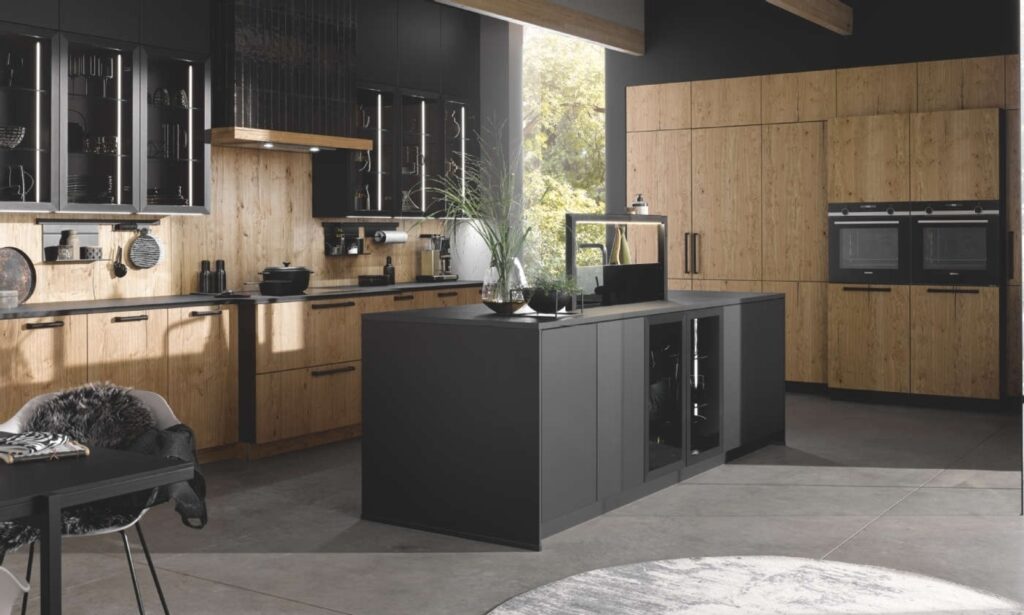
Why Aren’t Your Kitchen Cabinets Fully Utilized?
Disorganized kitchen cabinets lead to underutilization. Ineffective layouts and lack of custom storage solutions cause clutter and wasted space. Identifying and addressing common cabinet design issues can help maximize your kitchen’s storage potential, ensuring every inch serves a purpose.
Customization deficiencies also impede cabinet efficiency. Without adjustable shelves, pull-out drawers, or compartmentalized storage, cabinets become chaotic. Modern storage innovations and personalized designs can transform your kitchen into a more functional and enjoyable space.
In Vancouver, Bauformat BC offers expertise in overcoming these challenges. They specialize in blending aesthetic appeal with practical design, creating customized German kitchen cabinet solutions that optimize kitchen space. Bauformat’s innovative storage options ensure every inch of your kitchen is used efficiently, enhancing both functionality and beauty.
Common Challenges in Kitchen Organization
Our kitchens are often the heart of our homes, where families gather to cook, eat, and socialize. Maximizing storage space and keeping clutter at bay can be a constant challenge many faces. Ensuring that items are easily accessible and neatly organized can make meal preparation much smoother.

Cabinet and Pantry Storage
One common issue in kitchen organization is the lack of sufficient cabinet and pantry space to store all necessary items. This can lead to overcrowded shelves and difficulty finding what you need when you need it. Vertical storage solutions such as shelves, hooks, and hanging racks can help make the most of limited space.
Storing pots, pans, and other cookware can also present a challenge, especially for those with limited cabinet space. Investing in space-saving storage solutions like stacking pots and pans or hanging racks can help free up cabinet space and make items more accessible. Properly organizing cookware can also prevent scratches and damage, prolonging their lifespan.
Countertop Clutter and Workspace
Another challenge is keeping countertops clear of clutter and maintaining a functional workspace for cooking. It’s easy for countertops to become dumping grounds for mail, keys, and other miscellaneous items, making cooking challenging. Establishing designated areas for frequently used items and implementing a daily tidy-up routine can help keep countertops organized.
Small appliances like blenders, toasters, and coffee makers can take up valuable counter and cabinet space if not properly stored. Finding designated storage spaces for these appliances when not in use can help keep countertops clear and make cooking more convenient. Consider storing appliances in lower cabinets or on shelves to free up workspace.
Refrigerator, Freezer, and Cleaning Supplies
Maintaining an organized refrigerator and freezer is crucial for efficient meal planning and food safety. Items can easily get lost in the back of the fridge or freezer, leading to wasted food and unnecessary purchases. Implementing a rotating system, where older items are placed in front for quick access, can help prevent food spoilage and reduce waste.
One overlooked aspect of kitchen organization is maintaining a system for cleaning supplies and trash disposal. Keeping cleaning products organized and in one central location can streamline the cleaning process and make it easier to tackle spills and messes. Establishing a routine for taking out the trash and recycling can also prevent odours and overflow.

Inefficient Layouts
Traditional kitchen cabinets often come with fixed shelves and uniform compartments, leading to a one-size-fits-all approach that doesn’t fit all. Items get lost in the back, and valuable space is wasted. Bauformat challenges this norm by offering dynamic layouts that adapt to your needs, ensuring that every utensil, appliance, and ingredient has its place, optimizing space and accessibility.
Lack of Customization Options
Standard kitchen designs seldom account for the unique ways individuals use their space. Bauformat recognizes the importance of a kitchen tailored to personal habits and culinary preferences. By providing customizable cabinet solutions, Bauformat allows homeowners to design their kitchen storage to best suit their lifestyle, ensuring that every item is stored efficiently and conveniently.
The Importance of Ergonomics in Kitchen Design
When designing a new kitchen, ergonomics is one of the critical factors to consider. Proper ergonomics can significantly impact the functionality and usability of the space. This includes everything from the placement of cabinets and drawers to the layout of the countertops and appliances. For example, having soft-close doors and drawers can make it easier to access items in the kitchen without the risk of slamming fingers. Additionally, considering the height and depth of upper and tall cabinets ensures items are within reach for all household members, reducing strain while cooking or organizing.
Another important aspect of ergonomics in kitchen design is the type of cabinets and drawers used. Frameless cabinets offer more storage space and a modern look, while face frame cabinets provide a classic aesthetic. Custom cabinets can be tailored to fit the household’s needs by implementing pull-out drawers or a special drawer for pots and pans. The Baulux series from Bauformat, especially the Decorativa line, exemplifies this blend of functionality and style, transforming kitchens into sanctuaries of elegance and practicality.
When dealing with a kitchen remodel or updating old cabinets, paying attention to the quality of materials and construction is essential. Wood cabinets are durable and long-lasting, and ensuring that the cabinet doors and drawer fronts are correctly aligned and operable can prevent frustration in the long run. Investing in soft-close hinges and slides can also prevent damage to the cabinets and reduce noise in the kitchen. Ultimately, the goal of ergonomics in kitchen design is to create a space that is not only visually appealing but also practical and comfortable to use daily. The Decorativa series from Bauformat embodies this goal, merging style with substance for a kitchen that truly works for you.
Hard-to-Reach Areas
A common frustration in kitchen design is the presence of hard-to-reach areas, which make storage inefficient and can lead to unused spaces. Bauformat’s ergonomic designs ensure that cabinets are easily accessible, utilizing innovative mechanisms that bring items to you and make everything within easy reach. Additionally, Bauformat’s customizable storage solutions allow for optimizing every inch of space, ensuring that no corner or nook goes unused. By incorporating pull-out shelves, rotating carousels, and adjustable shelving, our designs maximize storage capacity and make everyday tasks in the kitchen more convenient and efficient. Bauformat accessories, such as Kitchen Drawer Inserts and Kitchen Pull-out Inserts, further enhance functionality by turning chaos into harmony with smart, stylish organization and providing seamless access with sleek organization on every slide.
Furthermore, our sleek and modern designs not only enhance the functionality of your kitchen but also elevate its aesthetic appeal. With a wide range of contemporary finishes, materials, and styles to choose from, Bauformat offers a kitchen solution that is not only practical but also visually stunning. Imagine accessories as the jewelry of your home: the final, defining touch that elevates every space from functional to fabulous. Bauformat’s Closet Inserts and Vanity Inserts transform your closet into a sanctuary of order and accent your vanity with a blend of functionality and flair. These carefully curated elements ensure that every room sparkles with personality and grace, making your home truly reflect your taste and lifestyle.
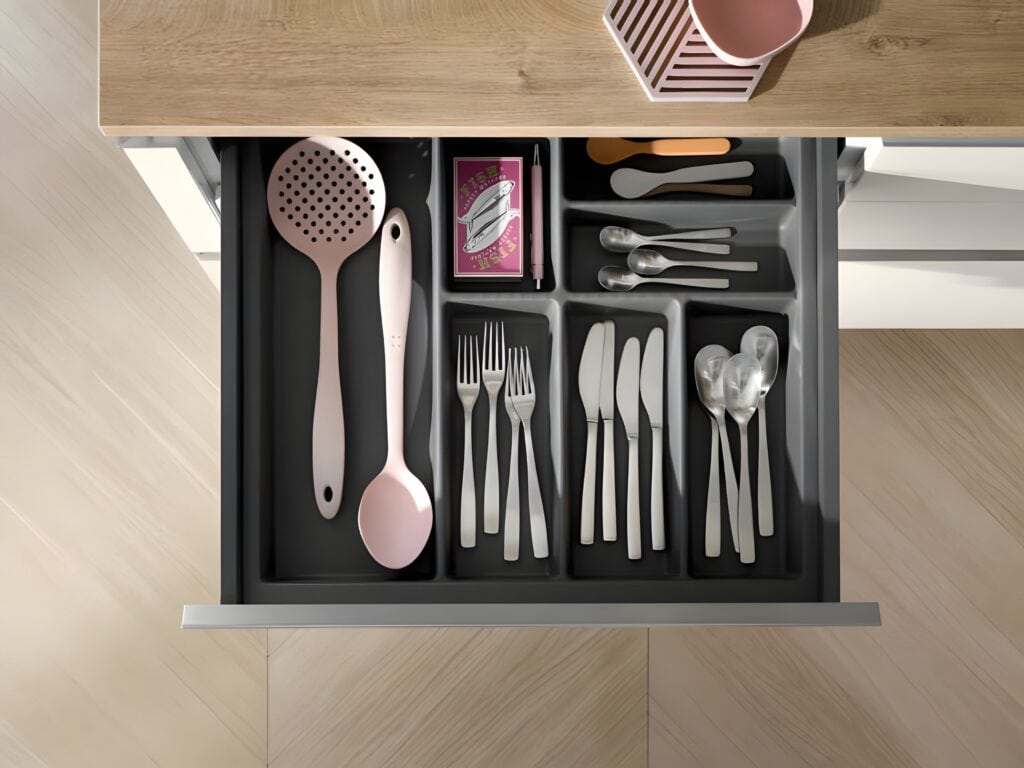
Optimizing for User Comfort
Bauformat’s designs prioritize user comfort, ensuring that kitchens are beautiful and practical. From adjustable heights for countertops to cabinets that open gently, Bauformat’s attention to ergonomics means a kitchen that adapts to you, reducing strain and making cooking a pleasure. Additionally, Bauformat’s kitchens are designed with functionality in mind, featuring ample storage space and clever organizational solutions that keep everything within easy reach.
Their high-quality materials and precision engineering ensure that their kitchens are durable and easy to clean and maintain. Bauformat also offers a wide range of customization options, allowing you to create a kitchen that perfectly suits your style and needs. Whether you prefer a sleek modern look or a classic design, Bauformat has options to suit every taste.
Innovative Storage Solutions from Bauformat
When it comes to organizing and maximizing space in your kitchen or bathroom, Bauformat offers a wide range of high-quality cabinets and storage options that enhance the look of your space and provide practical solutions for all your storage needs. Whether you are looking for pantry cabinets, base cabinets, or inset dishwashers, Bauformat has you covered. One of the key features of Bauformat cabinets is their innovative design that maximizes space and functionality. For example, their base cabinet with a bottom drawer makes organizing your kitchen easier by allowing you to pull out the entire drawer to access everything stored inside.
Bauformat cabinets often feature sleek and modern designs, with options for wood doors or high-end finishes to match any aesthetic. Their innovative storage solutions, such as pull-out shelves and drawers, make accessing your items easy and keep your space organized. The Baulux Series by Bauformat combines the simplicity of design with opulent details, offering finishes that whisper luxury and create spaces that are not just lived in but experienced.
Utilizing Corner Spaces
Corner cabinets in kitchens are often cumbersome and underutilized. Bauformat transforms these awkward spaces into functional storage areas with solutions like corner base units with wooden shelves, semi-circular or LeMans shelving, and “Space Corner” units. These innovative designs allow easy access and maximize storage capacity. The Le Mans shelving system features two trays that swing out independently, providing easy access to the cabinet’s contents.
“Space Corner” units consist of shelves that pull out and rotate, allowing you to easily reach items typically hard to access in a corner cabinet. With these units, you can maximize the storage potential of your kitchen while keeping everything organized and within reach. Bauformat also offers various other innovative storage options, including pull-out pantry units, drawer organizers, and base units designed specifically for waste management.
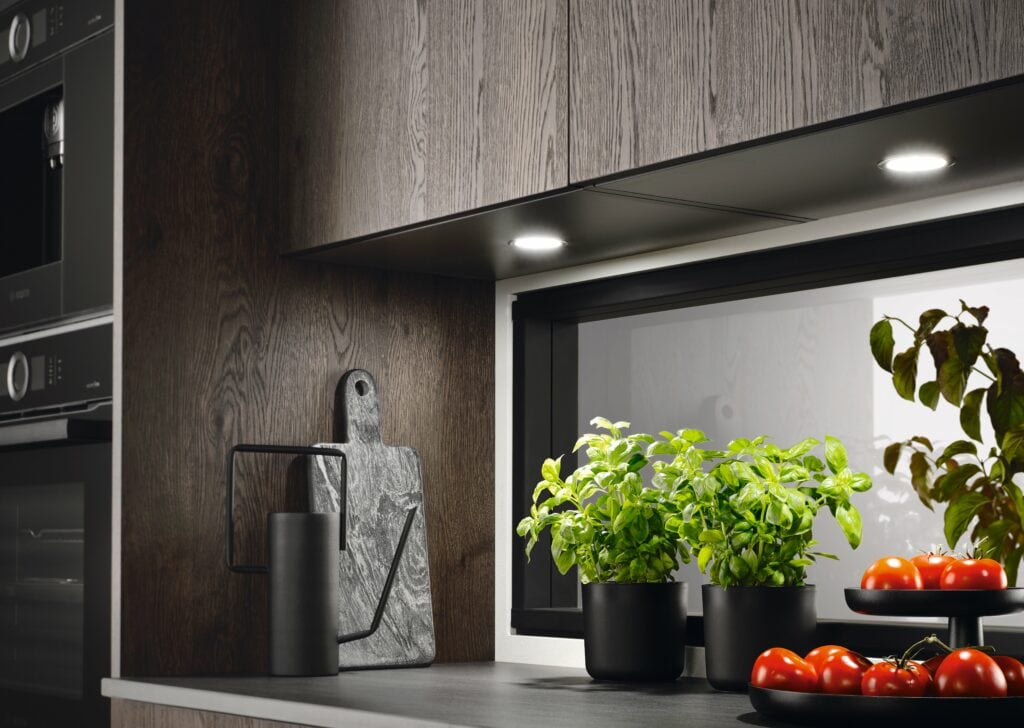
Vertical Storage Innovations
Bauformat leverages vertical space with tall pantry units and innovative pull-out systems, ensuring that even the highest shelves are easily accessible. These solutions not only make use of previously underutilized space but also help keep your kitchen organized. Using tall pantry units, Bauformat maximizes storage capacity while keeping the kitchen sleek and modern. The pull-out systems provide easy access to items without straining or reaching the back of deep shelves.
This level of organization can make meal prep and cooking more efficient, as every item is easily within reach. Bauformat’s designs help keep clutter at bay by providing designated storage areas for specific items, ensuring that your kitchen remains a functional and enjoyable space to work in.
The Impact of Modern Design Trends on Storage
The impact of modern design trends on storage, particularly in the kitchen and bath areas, has been significant in recent years. Gone are the days of bare cupboards and plain cabinets in the kitchen. Instead, homeowners are opting for sleek, stylish designs that not only enhance the overall kitchen look but also maximize storage space. When I decided to install my cabinets, I knew I wanted something to make a statement in my house kitchen.
One of the most significant modern design trends that have impacted storage in the kitchen and bath areas is the use of section cabinets. These high-end cabinets are not only beautiful to look at but also extremely practical. The cabinets in the kitchen I saw had innovative features such as pull-out shelves, lazy Susans, and specialized racks for pots and pans. This made it easy to stay organized and keep my kitchen installation clean and clutter-free.
Another trend that has had a significant impact on storage in the kitchen is the shift towards cabinets installed with easy-to-clean surfaces. I noticed many new cabinet hardware options were designed to be simple to clean, with minimal crevices where dirt and grime could accumulate. This made it much easier to keep the inside of the cabinet looking tidy and pristine. Additionally, the decision to eliminate hardware on some cabinets meant that there were no protruding knobs or handles to get in the way when accessing items stored inside.
Minimalist Designs and Hidden Storage
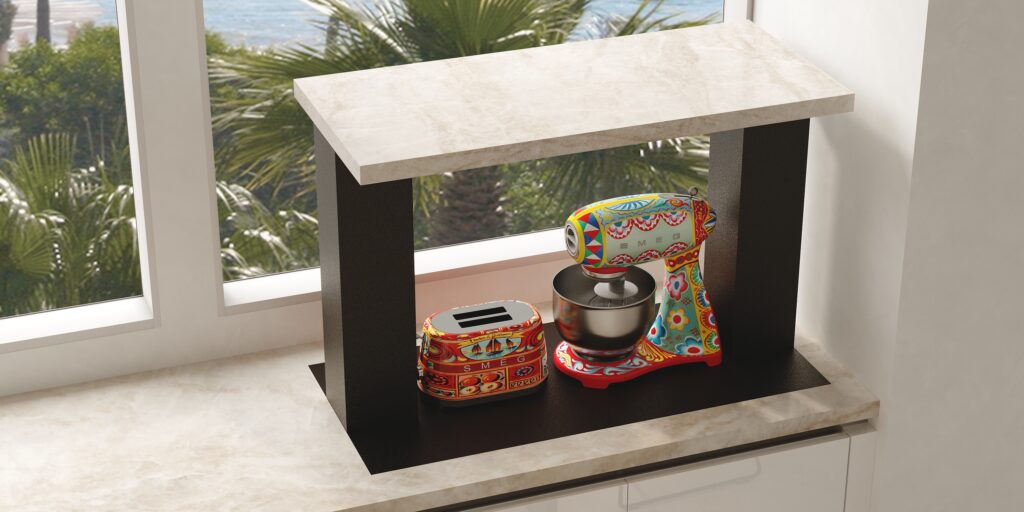
The minimalist trend has led to the popularity of hidden storage solutions, which Bauformat embraces in its kitchen designs. By focusing on sleek, uncluttered lines, Bauformat incorporates hidden compartments and integrated appliances, ensuring that storage is ample and invisible, maintaining a clean aesthetic.
Integrating Technology into Cabinetry
Bauformat is at the forefront of incorporating technology into kitchen design, from built-in charging stations to appliances that blend seamlessly into cabinetry. This integration enhances the kitchen’s functionality and ensures that modern needs are met without compromising design or space.
Making the Most of Your Kitchen Space with Bauformat
When it comes to kitchen renovations, utilizing the space efficiently is critical. With high-end cabinets from Bauformat, you can maximize every inch of your kitchen. These cabinets offer storage on the inside and allow the sides of the cabinet to be used for additional space. This means you can keep your countertop clutter-free and have everything within reach while cooking.
- Modern and Sleek Design: Essential for those who love to use the kitchen for more than just cooking. Bauformat cabinets not only look great but also function efficiently. You can put the cabinets and drawers on the island to create a central gathering point in your kitchen.
- Versatile Storage Solutions: Whether you want more storage, one drawer that holds all your utensils, or hidden storage solutions, Bauformat has options to fit your needs.
One of the best features of Bauformat cabinets is the cabinet quality. Bauformat cabinets are built to last. The drawers in the cabinet are designed to hold up well over time, even with frequent use. The bottom of the drawer is reinforced to ensure it doesn’t sag or break after years of use, as other cabinets might. This means that even if you sold that house, the cabinets would still look as good as the day they were installed.
- Durability: Bauformat cabinets are built to withstand frequent use without sagging or breaking.
- Customization: With so many drawer options inside the cabinet, you can customize your entire kitchen to fit your storage needs. From utensil drawers to spice racks, you can keep everything organized and easily accessible.
- Smooth Operation: The drawers move faster, ensuring you can get to your cooking supplies without hassle.
Why settle for less when you can have a kitchen that looks great and is highly functional? With Bauformat, you can enjoy a beautifully designed and efficiently organized kitchen for years to come.
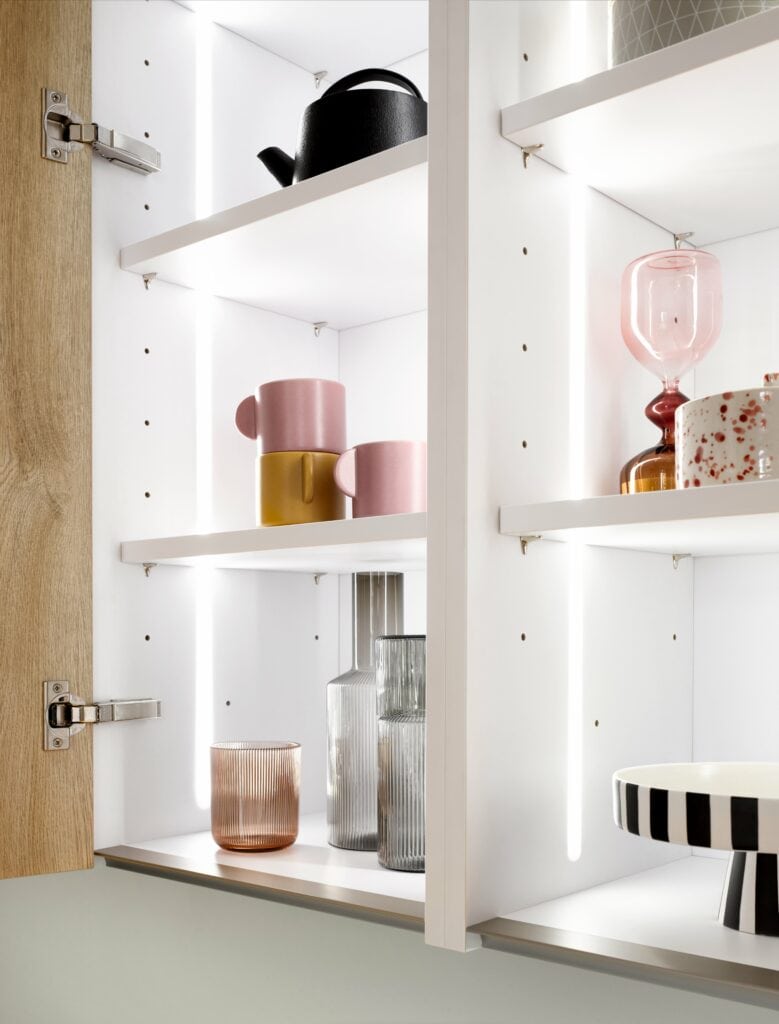
Frequently Asked Questions
How can I better utilize my kitchen cabinets?
To fully utilize your kitchen cabinets, consider using organizers like pull-out drawers, stacking shelves, and door racks to maximize storage space.
What are some ways to make the most of my upper cabinets?
Utilize the vertical space in your upper cabinets by using stackable containers, installing hooks for mugs or utensils, and adding risers for plates and bowls.
How can I organize my kitchen appliances within the cabinets?
Store kitchen appliances strategically by placing frequently used items at easy-to-reach heights and utilizing pull-out shelves or appliance garages for convenience.
What is the benefit of soft-close drawers in kitchen cabinets?
Soft-close drawers prevent slamming, reduce wear and tear on the cabinet finish, and provide a quieter kitchen environment.
How do inset cabinets differ from other cabinet styles?
Inset cabinets have doors and drawers that fit flush with the face frame, creating a clean and seamless look compared to overlay cabinet styles.
Can I customize my kitchen cabinets to fit the space available?
Yes, you can customize kitchen cabinets to fit your specific space by opting for custom sizes, adjustable shelving, and built-in storage solutions tailored to your needs.
What should I consider when redesigning my kitchen cabinets?
When redesigning your kitchen cabinets, consider maintaining the balance between aesthetics and functionality, keeping in mind your storage needs and the layout of the space.
Transforming Metro Vancouver Kitchens: The Bauformat Advantage
The essence and advantages of Bauformat kitchens, it becomes evident that the brand stands as a paragon of German engineering, quality craftsmanship, and custom design solutions, adeptly catering to the diverse and sophisticated needs of Metro Vancouver’s homeowners, designers, architects, and builders. The journey through Bauformat’s offerings reveals a dedication to innovation, functionality, and style, seamlessly blending tradition with contemporary design to create spaces that are not only visually stunning but also highly practical and durable.
Bauformat’s German heritage, a testament to over a century of precision and excellence in kitchen design, assures homeowners in Metro Vancouver of the unparalleled quality and durability inherent in every kitchen project undertaken. This commitment to excellence is reflected in the meticulous attention to detail, premium materials, and state-of-the-art construction techniques that define Bauformat kitchens, setting them apart as masterpieces of functionality and beauty.
For those embarking on kitchen remodelling projects in Metro Vancouver, Bauformat BC emerges as an invaluable partner. The brand’s expansive range of customizable storage solutions, ergonomic designs, and innovative features answer every conceivable need and preference. Whether maximizing limited space with ingenious storage options, integrating technology for enhanced functionality, or selecting from a vast array of finishes and colours for that perfect aesthetic, Bauformat BC stands ready to transform your kitchen into a space where moments are cherished, and memories are made.
In a region as dynamic and diverse as Metro Vancouver, Bauformat BC excels in meeting the specific needs of its audience, offering a kitchen remodelling experience that marries luxury with practicality. Homeowners, designers, architects, and builders looking to elevate kitchen spaces into realms of unmatched style and functionality will find in Bauformat BC a partner that understands their unique visions and is equipped to bring them to fruition with unparalleled expertise and a bespoke approach.
Bauformat BC represents the pinnacle of kitchen remodelling excellence in Metro Vancouver, offering a unique combination of German engineering, quality craftsmanship, and custom design solutions. For those seeking to blend functionality, luxury, and style in their kitchen projects, Bauformat BC is the go-to choice, promising spaces as enduringly beautiful as they are eminently practical.
| Entity Name | Description | Source |
|---|---|---|
| Design-build | A project delivery system used in the construction industry where a single entity contracts design and construction services. | source |
| Cabinetry | The craft of making storage cabinets or cupboards is a key element in kitchen design and functionality. | source |
| Hardwood | Wood from broad-leaved trees is often used for high-quality furniture, flooring, and construction due to its durability. | source |
| Carpentry | The skill of making objects, structures, or carving from wood. | source |
| Refinishing | The process of repairing or reapplying the surface finish of objects, particularly wood furniture or flooring. | source |
| Quartz | A hard, crystalline mineral composed of silicon and oxygen atoms, it is used in jewelry and as an industrial abrasive, as well as in countertops due to its durability. | source |
| Home Inspection | A limited, non-invasive examination of the condition of a home, often in connection with the sale of that home. | source |
| Countertop | A flat work surface in kitchens or other food preparation areas, bathrooms or lavatories, and workrooms is typically made from stone, wood, or synthetic materials. | source |
| Interior Design | The art and science of enhancing the interior of a building to achieve a healthier and more aesthetically pleasing environment for the people using the space. | source |
| Canada | A country in North America consisting of 10 provinces and 3 territories, known for its vast, natural landscapes and multicultural cities. | source |
| Marble | A metamorphic rock composed primarily of calcite or dolomite, known for its use in sculpture and architecture due to its beauty and durability. | source |
| Shakers | A religious sect known for its simple living, architecture, and furniture, emphasizing utility and craftsmanship. | source |
| Wood | The complex, fibrous structural tissue found in the stems and roots of trees or shrubs is used for construction and furniture. | source |
| Minimalism | An art movement and design style that emphasizes simplicity and the use of minimal elements and colours. | source |
| Brass | A metal alloy made of copper and zinc, known for its durability and workability, is used for various decorative and practical applications. | source |
| Granite | A very hard, granular, crystalline igneous rock consisting mainly of quartz, mica, and feldspar, used for countertops and monuments due to its durability. | source |
| Plywood | A material manufactured from thin layers or “plies” of wood veneer that are glued together with adjacent layers having their wood grain rotated up to 90 degrees to one another. | source |
| Aesthetics | The branch of philosophy deals with the nature of beauty, art, and taste and with the creation and appreciation of beauty. | source |
| Open Plan | An architectural and interior design concept that minimizes enclosed spaces in favour of large, open spaces that are multifunctional. | source |
