
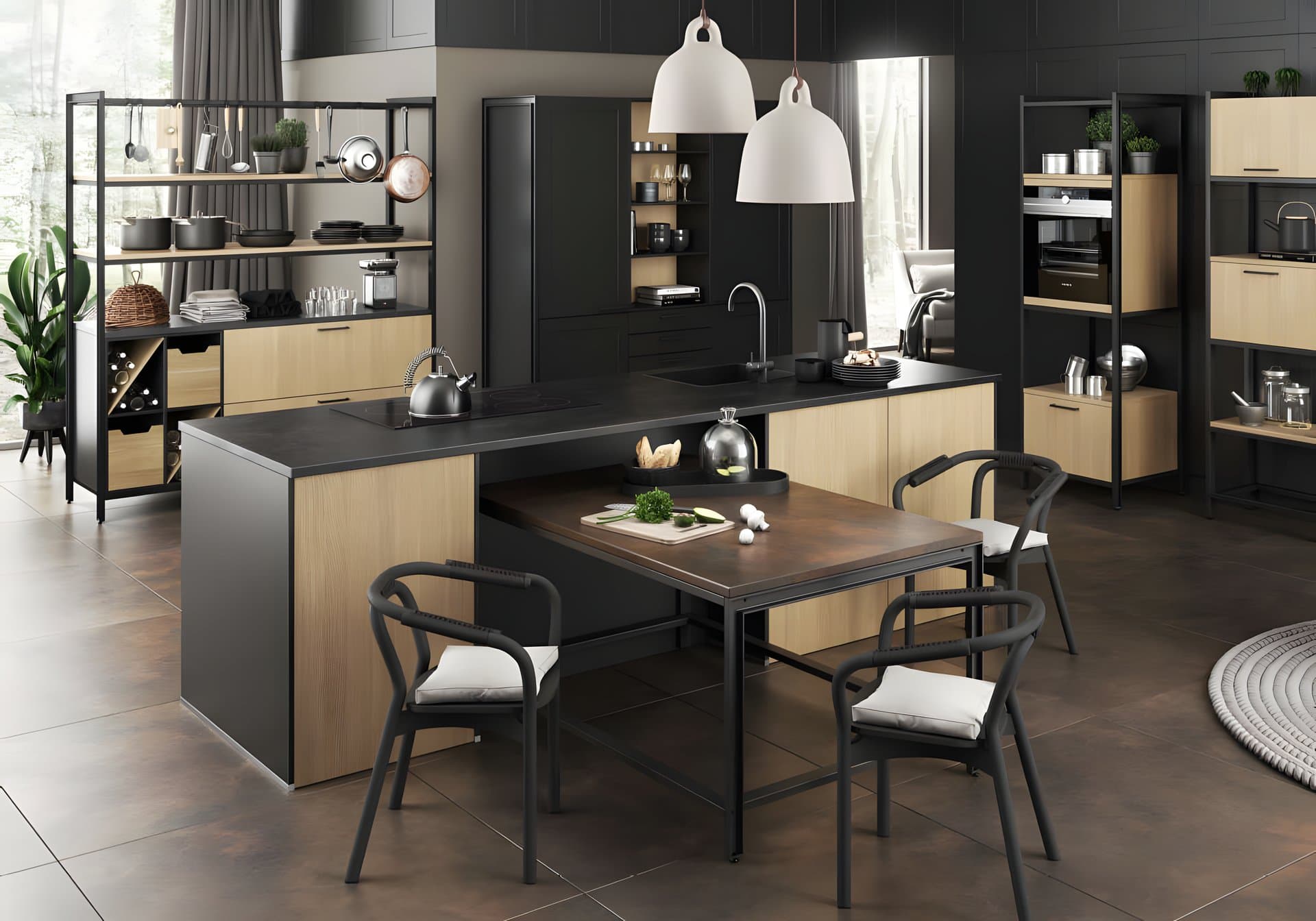
A well-built kitchen earns its keep quietly. The doors close softly, the drawers glide without a fight, and the finish still catches the morning light the way it did the day it was installed. That kind of staying power is not luck. It comes from good engineering and a bit of regular attention, and the good news is that the attention part is easier than most people expect.
Here in Metro Vancouver, our kitchens face a specific challenge: the coast brings damp air, steam from cooking lingers, and humidity can swing through the seasons. Cabinets that were measured, planned, and installed to handle real daily life will hold up beautifully when you give them simple care. This guide walks through how to keep your cabinets looking and working like new, finish by finish, with practical habits you can fold into a normal week.
Key Takeaways
- Match your cleaning method to your finish. Matte, gloss, ceramic, wood-grain, and painted surfaces each want a slightly different touch, and a soft damp cloth with mild soap handles the vast majority of jobs.
- Avoid abrasive cleaners, scouring pads, ammonia, bleach, and anything with grit. They dull and scratch finishes permanently.
- Manage moisture and steam. Coastal Vancouver humidity is the single biggest long-term threat to cabinetry, and good ventilation plus prompt wiping keeps it in check.
- Aim for an indoor relative humidity between 30 and 50 percent to keep wood stable and joints from warping (Wagner Meters, 2025).
- German hardware is built to be re-adjusted. Soft-close runners and 3D-adjustable concealed hinges can be fine-tuned over years, not replaced.
- Well-maintained quality cabinets can last 15 to 25 years or more, while moisture, heat, and daily wear are the top reasons they fail early (Diamond Kitchen and Bath, 2025).
Routine Cleaning by Finish Type
Most cabinet care comes down to one habit: wiping spills and splatters as they happen, with a soft cloth wrung out so it is barely damp. From there, the finish decides the details.
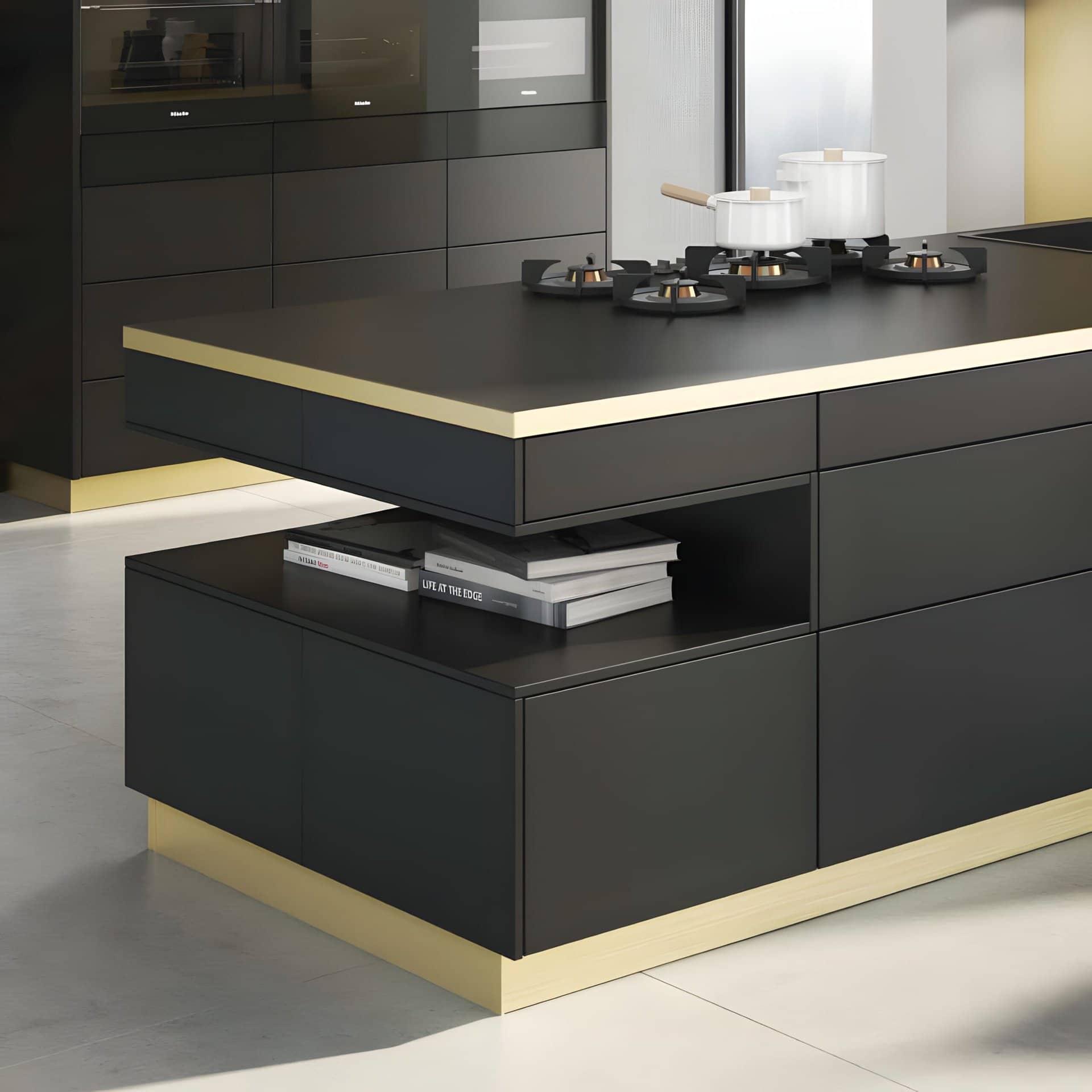
Matte and ultra-matte. Matte surfaces, including the ultra-matte options in the Baulux collection, read as soft and velvety because they scatter light. Clean them with a microfibre cloth and a little mild dish soap in warm water, then dry right away. Skip polishes and waxes, which can leave shiny patches on a surface designed to stay flat.
Gloss. High-gloss fronts look striking but show every fingerprint and water spot. Use a clean, soft microfibre cloth and a gentle soapy solution, wipe in straight lines rather than circles, and buff dry to avoid streaks. Never use anything abrasive, since even fine grit leaves visible swirl marks on a reflective surface.
Ceramic and glass. Ceramic and glass fronts, also found in the Baulux range, are among the most forgiving surfaces in the kitchen. They resist heat and scratches well, but they still appreciate a streak-free wipe. Warm soapy water or a glass-safe cleaner sprayed onto the cloth rather than the door keeps drips out of the edges and joints.
Wood-grain. Wood-grain fronts, a signature of the broad Bauformat collection, want gentle treatment and minimal standing water. Wipe along the direction of the grain, dry thoroughly, and never let puddles sit near seams or edges. An occasional check of edges and corners catches any lifting before it spreads.
Painted. Painted finishes are durable but can be marked by harsh chemicals. Stick to mild soap and water, blot rather than scrub at stuck-on spots, and avoid magic-eraser style pads, which are mildly abrasive and can rub paint thin over time.
Industry care guides recommend a consistent routine and, depending on the finish, occasional gentle maintenance to preserve sheen, since regular cleaning keeps the surface clear of grime and protects the finish over the long run (Diamond Kitchen and Bath, 2025).

Cleaners to Avoid
The fastest way to age a kitchen is to clean it with the wrong product. A few categories do more harm than good and are worth keeping away from your cabinet fronts entirely:
- Abrasive cleaners and scouring powders. The grit that scrubs a pot will scratch a cabinet finish.
- Steel wool and rough scrub pads. Same problem, with the added risk of leaving fine metal that can rust.
- Ammonia and bleach. These can discolour finishes, cloud gloss, and break down protective coatings.
- Strong solvents and all-purpose sprays with harsh chemicals. Many cut grease at the cost of the finish underneath.
- Wax build-up products on matte surfaces. They create uneven shine that is hard to undo.
When in doubt, mild dish soap and warm water on a soft cloth is the safest universal cleaner. Test any new product on a hidden spot, like the inside edge of a door, before using it across the kitchen.
Managing Moisture and Steam
This is the section that matters most on the coast. Vancouver’s damp climate means our indoor air carries more moisture than in drier parts of the country, and cooking adds steam on top of that. Wood and wood-based panels respond to humidity by expanding and contracting, and over time that movement can crack or warp joints, while prolonged damp can weaken adhesives and cause veneers to lift (Showplace Cabinetry, 2025). Once warping starts, it rarely reverses fully even after the air dries out, so prevention is everything.
A few habits keep moisture from becoming a problem:
- Run your range hood or exhaust fan while cooking and for a few minutes after, so steam leaves the room instead of settling on cabinet fronts.
- Wipe down any condensation or splashes promptly, especially around the sink, dishwasher, and kettle.
- Crack a window or run the fan when boiling, steaming, or running the dishwasher, which vents hot moist air at door height.
- Aim to keep indoor relative humidity between 30 and 50 percent. A small hygrometer makes this easy to track, and a dehumidifier helps during damp coastal stretches (Mr. Cabinet Care, 2025).
- Avoid draping wet tea towels over cabinet doors, and pull cabinetry slightly clear of leak-prone spots if you spot a slow drip under the sink.
None of this is fussy. It is mostly about ventilation and a quick wipe, which also happen to keep the kitchen more comfortable to cook in.
Protecting Against Heat and Sunlight
Heat and direct sun work slowly, so the damage they cause is easy to miss until it is done. Steam and heat rising from a kettle or pot directly beneath a cabinet can stress the finish over time, and placing hot pans against or under a cabinet surface can mark it (Diamond Kitchen and Bath, 2025). Keep heat-generating appliances like toasters and kettles pulled forward from the cabinet face, and use the range hood to carry heat away.
Sunlight is the quieter culprit. Strong, consistent light can fade and slightly shift the colour of finishes, and because the change happens evenly across exposed areas, you often notice it only when you move something and find the original shade underneath. If your kitchen gets bright afternoon sun, sheer blinds or a UV-filtering window film help keep colour true. Rotating any small items that sit on open shelving now and then avoids uneven fading lines.
Caring For and Adjusting Hardware
Hardware is where good German engineering really shows its value over the years. Bauformat cabinets use full-extension soft-close runners and 3D-adjustable concealed hinges, and the key word is adjustable. Doors and drawers are meant to be fine-tuned long after installation rather than tolerated as they drift.
For everyday care, wipe knobs and handles with a damp cloth regularly, since hands deposit oils and grime there faster than anywhere else. Tighten any handle screws that loosen with use, checking them a couple of times a year.
When a door starts to sit slightly crooked, rub against its neighbour, or show an uneven gap, that is a sign for a hinge adjustment rather than a repair. A 3D-adjustable hinge can be nudged in three directions, height, depth, and side to side, usually with a single screwdriver, to bring the door back into perfect alignment. Soft-close hinges and runners also have tension settings, so if a door closes too softly to latch or a drawer feels off, the action can be re-balanced. Because the hardware is built to be serviced this way, the right move is almost always a quick re-adjustment, not a replacement.
Keeping Drawers and Runners Smooth
Full-extension soft-close runners are one of the small luxuries you stop noticing precisely because they keep working. To keep them that way, give them a little attention now and then:
- Pull each deep drawer fully out a few times a year and vacuum or wipe away crumbs, dust, and grit from the runner channels. Grit is the main thing that makes a smooth runner feel rough.
- Wipe spills inside drawers promptly so liquids do not seep into the mechanism.
- Avoid overloading drawers beyond what they are rated for, which strains the runners and the soft-close action over time.
- Most quality runners are self-lubricating and do not need oil. If a runner ever feels stiff after cleaning, check first for a stray object or debris in the track rather than reaching for lubricant.
If a drawer starts closing unevenly, the soft-close action can usually be adjusted back to true, the same principle that applies to the hinges.
Dealing With Everyday Marks and Seasonal Checks
Everyday life leaves everyday marks, and most lift easily when you catch them early. Grease near the stove responds to mild soapy water and a soft cloth before it bakes on. Dried-on splatters soften with a warm damp cloth left to sit for a minute, rather than scraping. For scuffs on painted or matte fronts, blot and wipe gently rather than scrubbing, since pressure does more damage than the mark itself.
A short seasonal walk-through keeps small issues small. Twice a year, ideally as the seasons change and humidity shifts, take ten minutes to:
- Open and close every door and drawer, noting any that catch, rub, or sit unevenly, and adjust the hinges as needed.
- Check edges, seams, and the areas around the sink and dishwasher for any sign of moisture, swelling, or lifting.
- Tighten loose handles and hinge screws.
- Wipe down the tops of upper cabinets and the toe-kick area, where grease and dust quietly collect.
- Glance at your hygrometer and adjust ventilation or run a dehumidifier if the kitchen has been running damp.
This rhythm matters because moisture, heat, and daily wear are the top reasons cabinets wear out before their time, and most quality cabinets last between 15 and 25 years when cared for (Diamond Kitchen and Bath, 2025). A little upkeep also protects the value built into the room, since cabinets typically represent the single largest share of a kitchen renovation budget, often 30 to 40 percent of the total (Magic Window, 2025).
Frequently Asked Questions
How often should I deep clean my kitchen cabinets?
A quick wipe of spills and splatters as they happen handles most of the work. Beyond that, a thorough clean of the fronts, handles, and edges once a month keeps grease and grime from building up, and a more detailed seasonal check twice a year covers the interiors, runners, and hinges. The exact pace depends on how much you cook, but staying ahead of grease is far easier than removing it later.
What is the safest all-purpose cleaner for cabinets?
Warm water with a small amount of mild dish soap, applied with a soft microfibre cloth and dried promptly, is the safest choice across nearly every finish, from matte and gloss to ceramic, wood-grain, and painted. It cleans effectively without the risk that comes with abrasives, ammonia, bleach, or strong solvents. For any new product, test it first on a hidden surface like the inside edge of a door.
My cabinet door sits slightly crooked. Do I need a repair?
Usually not. A door that drifts out of alignment is normal over years of use, and Bauformat’s 3D-adjustable concealed hinges are designed to be nudged back into place. With a screwdriver you can adjust the door’s height, depth, and side-to-side position until the gaps are even again. It is a quick fix rather than a replacement, which is exactly what the hardware is engineered for.
Does Vancouver’s coastal humidity really affect my cabinets?
It can, which is why ventilation matters here more than in drier regions. Wood and wood-based panels expand and contract with moisture, and sustained high humidity can warp joints or lift veneers over time. Keeping indoor relative humidity in the 30 to 50 percent range, running your range hood, and wiping condensation promptly keeps coastal damp from becoming a problem.
Quality cabinetry is meant to grow old gracefully, and the habits above are what make that happen. A soft cloth, good ventilation, and the occasional turn of a screwdriver are nearly all it takes to keep doors aligned, drawers gliding, and finishes looking the way they did on day one. Cabinets engineered to be cleaned, adjusted, and maintained reward that small effort for decades, which is the whole point of building them well in the first place.
Explore more from Bauformat BC
- What Factors Should You Keep in Mind When Choosing the Perfect Kitchen Cabinets? Incorporating Bauformat into Your Selection
- How to Design Kitchen Cabinets: A Practical 2026 Guide
- Which Material Tops the List for the Ideal Kitchen Cabinet Construction?
German cabinetry, planned and built for Metro Vancouver
The kitchen is one of the highest-return rooms in a home: the 2025 Cost vs. Value Report found a minor kitchen remodel recoups roughly 96% of its cost at resale. Choosing cabinetry that lasts is central to that return, which is where German engineering earns its place. Every Bauformat kitchen is manufactured in Germany, then measured, planned, and installed by our Vancouver team, built to fit your room to the millimetre.
See the Baulux, Bauformat, and Burger collections in person at our Yaletown showroom at 1420 Marine Drive, learn more about the manufacturer at bauformat.de, and meet our local team at The Bau Team.
Book a 30-minute consultation with our Metro Vancouver kitchen designers to plan a kitchen built to last.
