
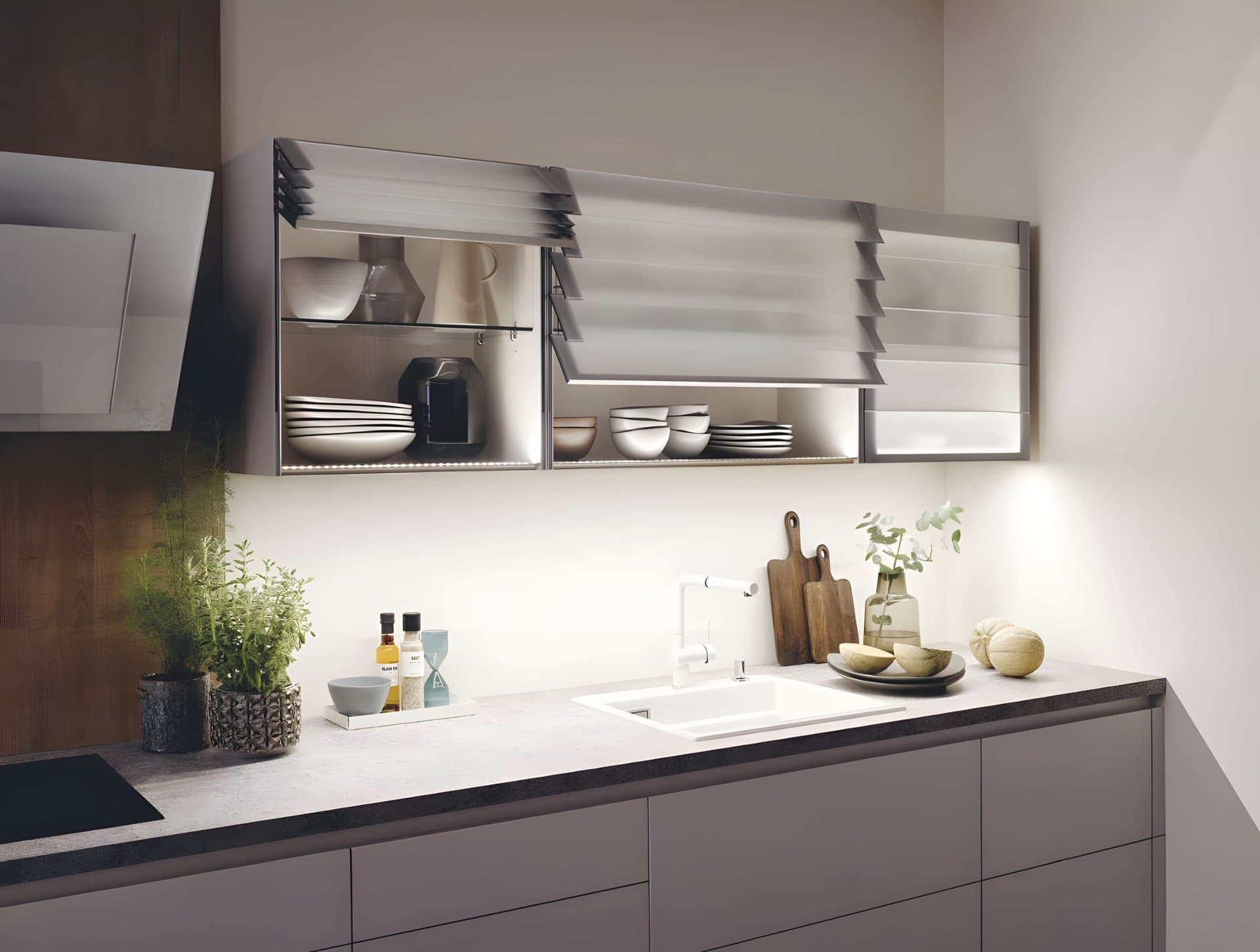
Walk through Shaughnessy, Kerrisdale, or the older blocks of Mount Pleasant and you start to notice a rhythm: panelled doors, deep trim, the kind of millwork that was meant to last a century. Metro Vancouver is full of character homes built for exactly this sensibility, and the kitchens inside them respond best to cabinetry that feels grounded and familiar rather than sharp and showroom-glossy. Traditional kitchen cabinets carry that warmth, and they do it without shouting for attention.
The challenge most homeowners run into is that traditional can tip into dated if you copy a look wholesale from twenty years ago. The good news is that the classic vocabulary, raised panels, shaker fronts, cup pulls, glass doors, has plenty of room to feel current. This guide walks through what actually defines the style, the colours and hardware that hold up, and how to keep it reading as timeless in 2026.
Key Takeaways
- Traditional cabinetry is defined by framed looks, raised-panel and shaker doors, furniture-like details, and decorative trim used in moderation.
- Transitional design, which blends traditional and modern, leads professional demand: 72 percent of respondents named it the top style for the next three years (NKBA 2026 Kitchen Trends Report).
- Shaker remains the dominant door profile, accounting for roughly 50 percent of cabinet designs observed at KBIS 2026.
- Classic palettes lean on creamy whites, soft neutrals, sage and forest greens, and deep blues, with warm neutrals favoured by 96 percent of designers for 2026.
- Knobs, cup pulls, and finishes like aged brass and oil-rubbed bronze anchor the look; glass-front cabinets and plate racks add character without clutter.
- Bauformat’s shaker and classic fronts pair the traditional aesthetic with German engineering, so the warm look comes with modern hardware underneath.
What Actually Defines Traditional Cabinetry
At its core, traditional cabinetry is about visible structure and craft. The most recognizable cue is the framed look, where each door sits within a face frame rather than floating flush against the box. That single detail reads as classic immediately, because it echoes the way fine furniture has been built for generations.
From there, the style leans on a handful of consistent ideas. Doors carry a defined profile, whether that is a raised centre panel or a recessed shaker panel. Decorative detailing shows up, but in moderation: a bead of moulding here, a turned leg there, a furniture-style toe kick that makes an island look like a freestanding piece rather than a row of boxes. Restraint is the part people miss. A traditional kitchen that piles on every flourish at once starts to feel like a period set rather than a room you cook in.
In Vancouver’s character homes, these furniture-like elements do real work. An older house often has quirks, uneven walls, odd ceiling heights, a chimney chase that cannot move, and traditional cabinetry absorbs those quirks gracefully. A run of panelled uppers with a furniture base on the island makes a 1920s kitchen feel intentional rather than patched together.
Classic Door Styles: Raised Panel and Shaker
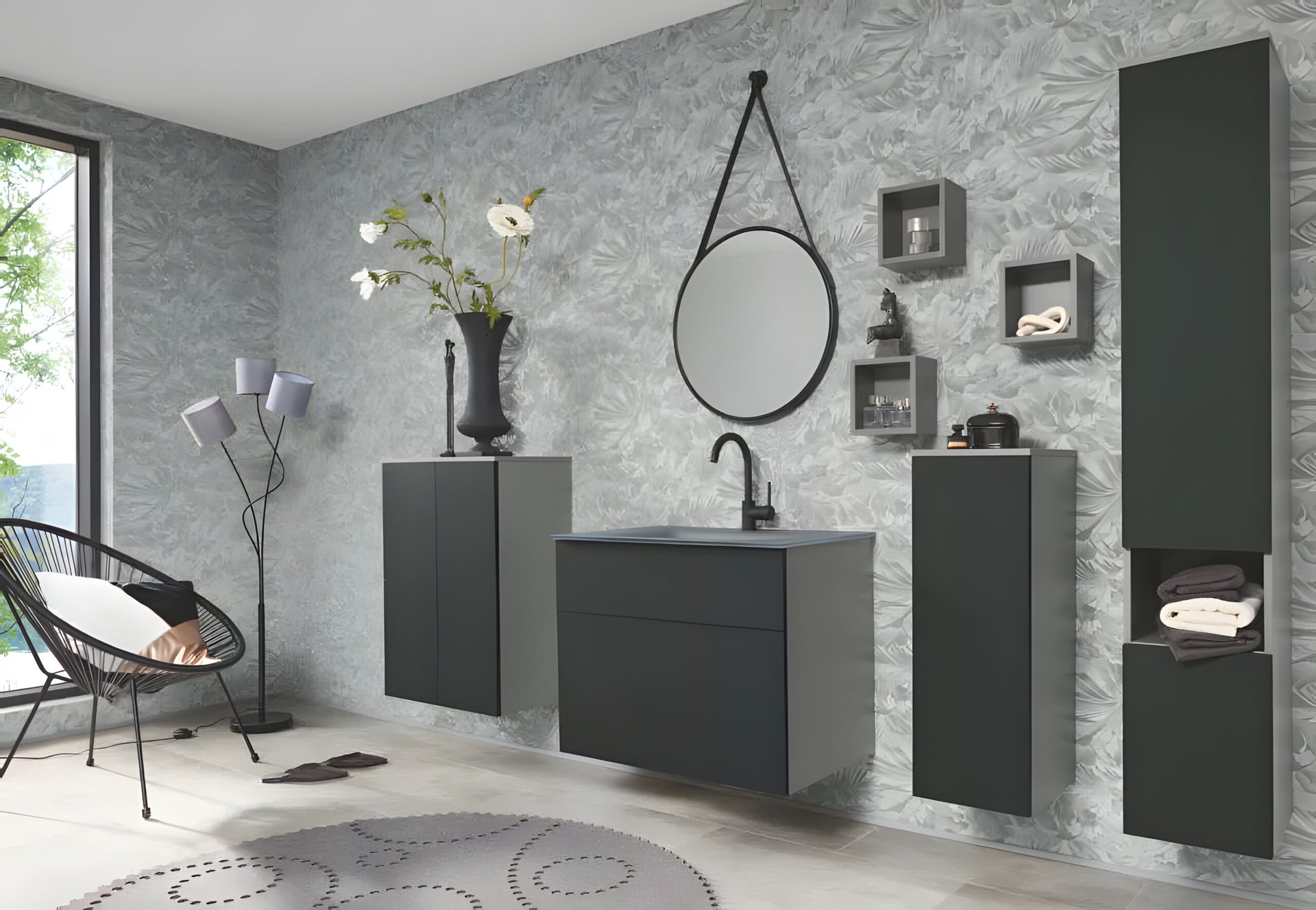
Two door styles carry most of the traditional weight. The raised-panel door, with its profiled centre that sits slightly proud of the frame, is the more ornate of the two. It catches light along its edges and gives a kitchen a sense of depth and formality, which suits larger character homes and dining-adjacent kitchens beautifully.
The shaker door is the workhorse, and it is not going anywhere. Its clean recessed panel and square edges sit comfortably between classic and contemporary, which is exactly why it dominates. Shaker accounted for roughly half of the cabinet designs observed at KBIS 2026, and white shaker in particular continues to lead showroom requests. The appeal is its flexibility: the same door reads as farmhouse with a cup pull and cream paint, or as transitional with a slim profile and a matte black knob.
That flexibility matters because transitional design, the blend of traditional and modern, tops professional demand right now, with 72 percent of kitchen and bath pros naming it the most popular style for the next three years (NKBA 2026 Kitchen Trends Report). Bauformat’s shaker and classic fronts sit right in this sweet spot. You get the familiar panelled face, and a noticeable move toward slimmer shaker proportions on the 2026 show floor means you can lean traditional or transitional without changing the bones of the design.
Classic Colour Palettes That Hold Up
Colour is where a traditional kitchen either ages gracefully or starts to feel stuck. The palettes that endure are the ones drawn from nature and from the materials of older homes themselves.
Creamy whites and soft off-whites are the backbone. The stark, bright white of a decade ago has cooled off, replaced by warmer ivories and gentle greiges that flatter the wood floors and warm light common in Vancouver’s heritage houses. Warm neutrals are the safe centre of gravity: 96 percent of designers named mushroom, taupe, warm greige, and creamy whites among the most popular 2026 choices (ProCraft Cabinetry, 2026).
For colour with staying power, greens and blues lead. Sage, olive, and deeper forest tones connect a kitchen to the gardens and greenery that define the city, and green is the favourite non-neutral, expected to lead palettes by 86 percent of designers, with blue close behind at 78 percent (ProCraft Cabinetry, 2026). Deep blues, from soft slate to true navy, give an island or a run of lowers a quiet, grounded weight. Natural wood tones round out the traditional palette, especially on islands, open shelving, or a furniture-style hutch, where warm grain softens a room full of painted fronts.
A practical approach for a character home: keep the perimeter in a creamy neutral, then introduce one classic colour, a sage, an olive, a navy, on the island or a single bank of cabinets. That two-tone move feels current and stops the kitchen from reading as one flat wash of white.
Classic Hardware: Knobs, Pulls, and Finishes
Hardware is jewellery for cabinetry, and on a traditional kitchen it does an outsized amount of styling for very little cost. The classic combination is knobs on doors and cup pulls on drawers. Cup pulls, those half-moon bin pulls, are one of the most traditional cues you can add, and they instantly suggest old-house provenance.
Finish is where you steer the room. Aged or unlacquered brass brings warmth and a touch of formality, and it has come roaring back from its earlier reputation as dated. Oil-rubbed bronze and pewter feel softer and more rustic, suited to a country or farmhouse direction. Polished nickel sits in the middle, refined without being cold. The rule that keeps a traditional kitchen from feeling fussy is consistency: pick one finish for hardware and try to echo it in faucets and light fixtures so the room reads as composed.
Underneath that classic-looking hardware, the mechanics should be thoroughly modern, and this is where the build quality earns its keep. Bauformat fits full-extension soft-close runners and 3D-adjustable concealed hinges, so a drawer with a heritage-style cup pull still glides out fully and closes without a slam. The classic face hides hardware that has been engineered in Germany since 1917, which is the part a guest never sees but the cook appreciates every day.
Glass Fronts, Plate Racks, and Trim Details
The details are what separate a generic kitchen from a genuinely traditional one. Glass-front cabinets are the most useful of them. A pair of glazed uppers breaks up a solid wall of doors, adds depth, and gives you a spot to display dishware or glassware. Mullioned glass, with its grid of dividers, reads more formal and classic; a single clear pane reads more transitional. Either way, glass fronts lighten a heavy traditional run and bring in a furniture-cabinet feel.
Plate racks are another period detail worth considering, especially in a character home where open, accessible storage suits the way the kitchen was originally meant to work. A built-in plate rack above a counter or flanking a window turns everyday dishes into part of the decor.
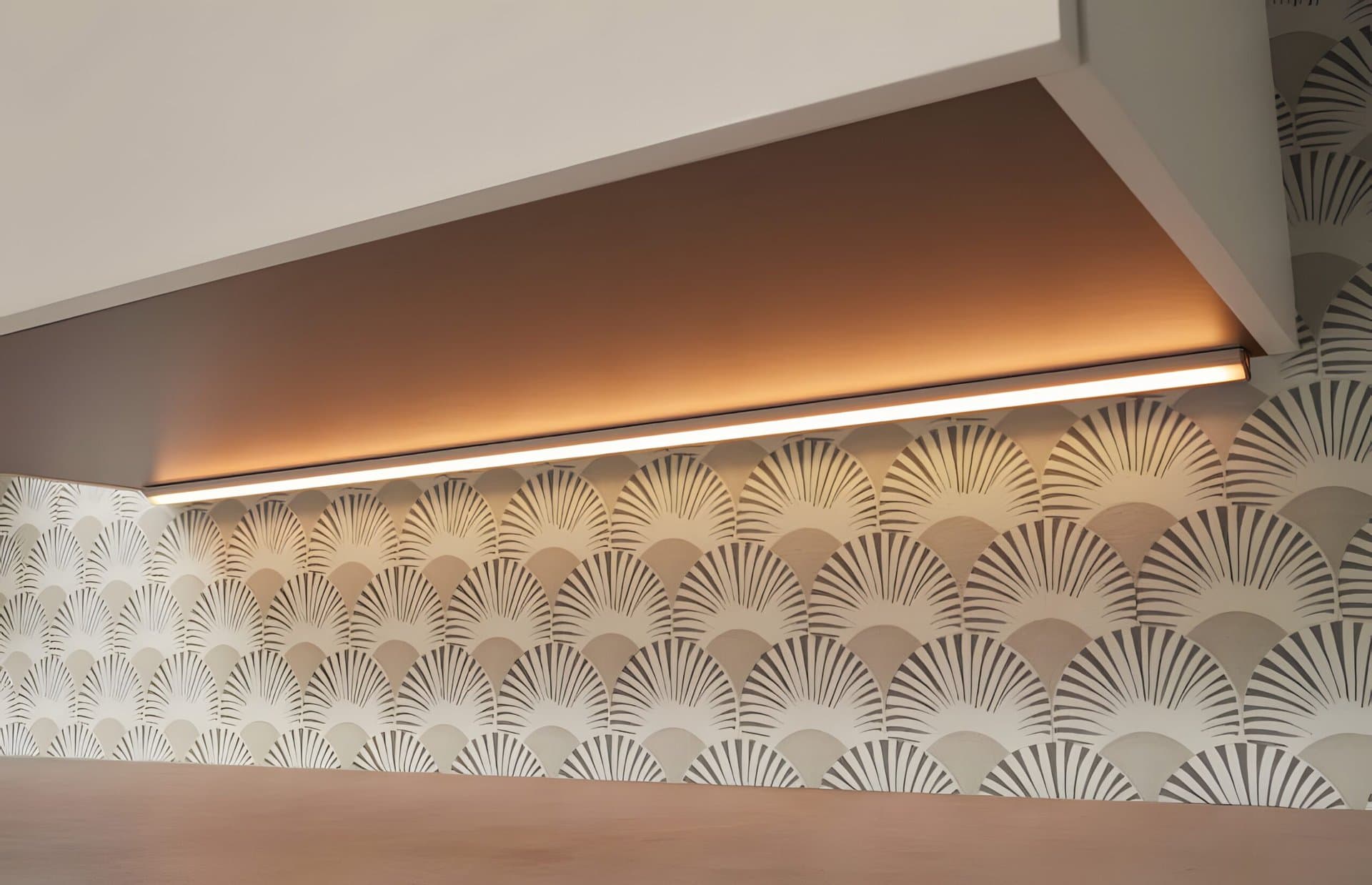
Then there is the trim. Crown moulding at the top of the uppers gives cabinetry a finished, architectural cap and ties it into the existing millwork of an older house. Light rail moulding under the uppers hides task lighting and softens the line where cabinet meets counter. Decorative legs, valances over a sink window, and a furniture base on the island complete the look. The discipline, again, is moderation: choose two or three of these moves rather than all of them, and let the trim feel like part of the house rather than an add-on.
Keeping Traditional Feeling Current in 2026
The line between timeless and dated is mostly about editing. A few choices keep a traditional kitchen firmly in the present.
Simplify the door profile. A slim shaker or a clean raised panel reads fresher than a heavily ornate one, which is exactly why slimmer shaker proportions were so visible at KBIS 2026. Lean into warm rather than stark colour, since creamy whites and warm neutrals have replaced the cold bright white that now signals an older renovation. Introduce one confident colour through a green or blue island rather than splashing it everywhere. Mix metals with restraint, pairing a warm brass with a darker accent instead of matching every fixture to a single shiny chrome.
It is also worth thinking about resale, since smart, restrained kitchens pay back well. Minor kitchen remodels delivered roughly a 113 percent return nationally in the 2025 Cost vs. Value Report, while major upscale remodels recouped far less. The takeaway for a traditional kitchen is reassuring: you do not need to over-build to get the look. Quality fronts, classic hardware, and good trim, kept tasteful, do more for both daily living and resale than a maximalist renovation. In a market like Metro Vancouver, where character homes already carry a premium, cabinetry that respects the house tends to hold its value.
Frequently Asked Questions
What is the difference between traditional and transitional kitchen cabinets?
Traditional cabinets lean fully into classic cues: framed doors, raised panels, ornate trim, and furniture-like detailing. Transitional cabinets keep some of that warmth, often a shaker door and classic hardware, but pair it with cleaner lines and simpler trim for a look that bridges old and new. Transitional is currently the most in-demand style among design professionals, which is part of why slim shaker fronts have become so popular.
Are white traditional kitchens going out of style?
White is not going anywhere, but the shade has shifted. Stark, bright white has cooled in favour of creamy whites, soft ivories, and warm off-whites that feel less clinical and flatter the wood tones and natural light common in older Vancouver homes. A warm white perimeter with one classic accent colour reads as current rather than dated.
What hardware looks best on traditional cabinets?
The classic pairing is knobs on doors and cup pulls on drawers. For finishes, aged brass, oil-rubbed bronze, pewter, and polished nickel all suit the style. The most important rule is consistency: keep one finish across your hardware and echo it in your faucet and light fixtures so the kitchen feels composed rather than busy.
Do traditional cabinets work in a small kitchen?
Yes. The trick is restraint. Choose a slim shaker door, a light creamy colour, and a single pair of glass-front uppers to add depth without weight. Skip the heavier trim and ornate detailing that can overwhelm a compact room, and let crown moulding and good hardware carry the classic feel.
Traditional cabinetry endures because it was never really about a trend. It is about structure, warmth, and craft, the same qualities that make Metro Vancouver’s character homes worth restoring in the first place. Choose a classic door, a palette drawn from nature, hardware with a little patina, and a few well-placed details, then resist the urge to add more. Built well and edited carefully, a traditional kitchen looks at home the day it goes in and still looks right decades later.
Explore more from Bauformat BC
- Uncover the appeal of top traditional small kitchen styles perfect for petite spaces!
- Ultimate Guide to Elevating Your Kitchen Layout with Timeless & Classic Design Ideas
- Why Are Shaker Style Kitchen Cabinets So Popular?
German cabinetry, planned and built for Metro Vancouver
The kitchen is one of the highest-return rooms in a home: the 2025 Cost vs. Value Report found a minor kitchen remodel recoups roughly 96% of its cost at resale. Choosing cabinetry that lasts is central to that return, which is where German engineering earns its place. Every Bauformat kitchen is manufactured in Germany, then measured, planned, and installed by our Vancouver team, built to fit your room to the millimetre.
See the Baulux, Bauformat, and Burger collections in person at our Yaletown showroom at 1420 Marine Drive, learn more about the manufacturer at bauformat.de, and meet our local team at The Bau Team.
Book a 30-minute consultation with our Metro Vancouver kitchen designers to plan a kitchen built to last.
