
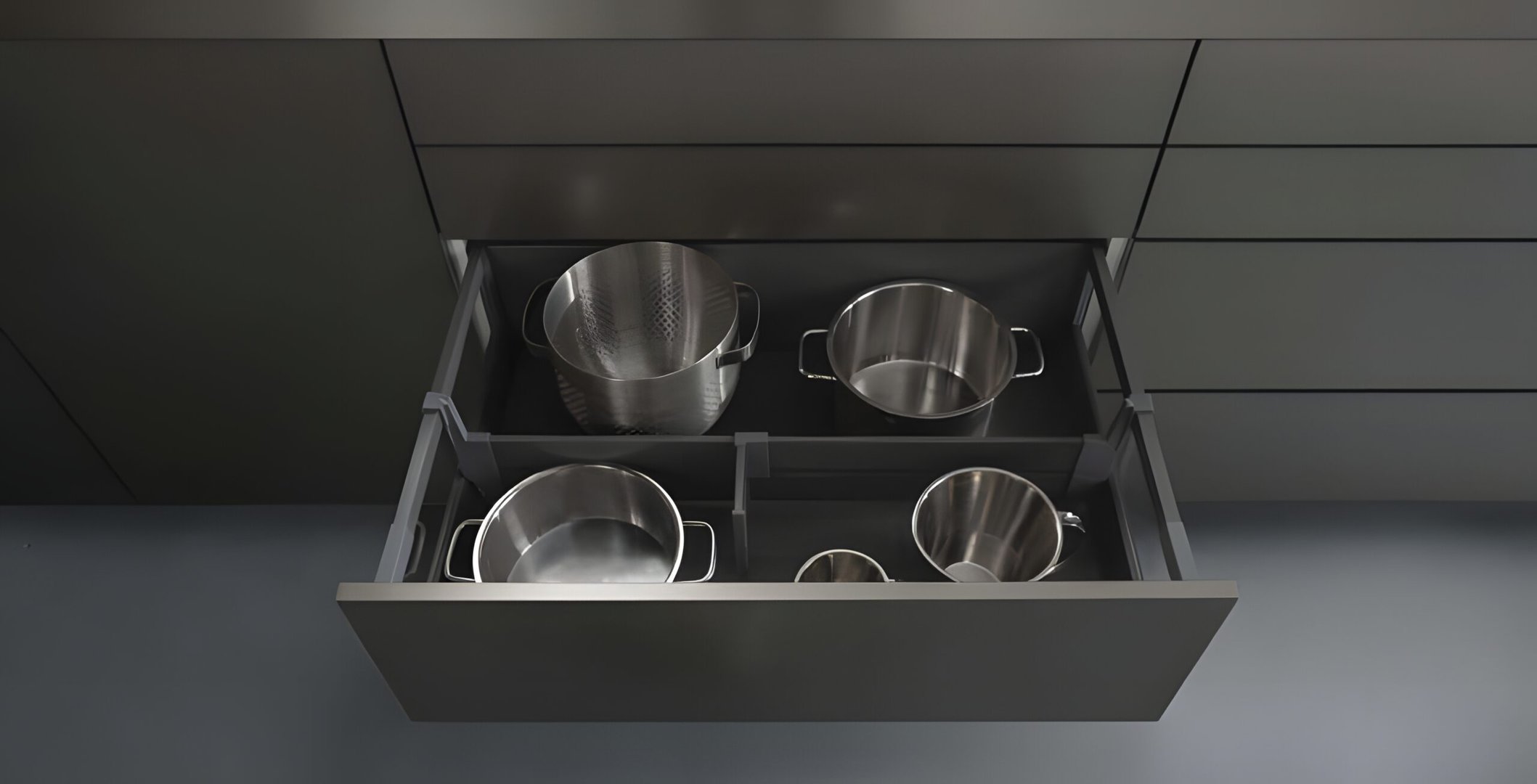
There is a quiet kind of frustration in a kitchen that works fine but feels tired. The layout suits you, the appliances run, the sink sits where you want it, and yet every time you walk in you notice the dated door fronts or the hardware that has gone dull at the edges. The instinct is to think the only fix is a full gut renovation, complete with months of dust, takeout dinners, and a budget that climbs higher every week.
It does not have to go that way. A refresh focuses on the surfaces and details you actually see and touch every day, and it leaves your sound cabinet boxes, plumbing, and walls exactly where they are. The result reads as a brand new kitchen at a fraction of the cost and disruption. This guide walks through what to change, what to keep, and how to sequence the work so an easy kitchen makeover stays both affordable and genuinely easy.
Key Takeaways
- A minor kitchen remodel that keeps the boxes and updates fronts, counters, and hardware returned an average of 113 percent at resale in 2025, while a major upscale remodel recouped only 36 percent (2025 Cost vs. Value Report).
- Refacing or replacing only your cabinet doors and fronts typically costs 30 to 70 percent less than tearing cabinets out and replacing them (Kitchen Cabinet Guys, 2025).
- A full mid-range kitchen renovation in Metro Vancouver averages around 45,000 dollars, while a basic refresh runs roughly 15,000 to 25,000 dollars (Vancouver General Contractors, 2026).
- Keeping existing boxes and swapping only fronts and hardware is usually the strongest move for return on investment (Kitchen Cabinet Kings, 2026).
- The smart order of work is fronts first, then hardware, then counters and backsplash, finishing with paint and lighting.
Why a Refresh Beats a Full Gut Job
The numbers make the case better than any sales pitch could. A minor kitchen remodel with mid-range finishes added an average of 32,141 dollars to a home’s sale price in 2025 and returned about 113 percent of its cost, taking the top spot for return on investment among interior projects for the second year running. A major remodel with upscale finishes added more in raw dollars but recouped only 36 percent (2025 Cost vs. Value Report). Spending less, in other words, often returns more.
That gap matters everywhere, but it lands especially hard in Metro Vancouver. Trades here charge 80 to 120 dollars an hour or more, above the national range, and labour alone accounts for 35 to 45 percent of a renovation’s total cost (Vancouver General Contractors, 2026). A full mid-range kitchen renovation in the region averages around 45,000 dollars, while a basic refresh sits closer to 15,000 to 25,000 dollars (Vancouver General Contractors, 2026). When skilled labour is this expensive, the projects that avoid demolition, drywall repair, and plumbing reroutes are the ones that protect your budget.
A refresh also protects your sanity. A gut renovation pulls the heart of your home out of commission for weeks or months. Replacing surfaces while the structure stays put keeps the disruption measured in days, not seasons. You keep cooking, the dust stays contained, and you avoid the cascade of surprises that comes the moment a wall opens up.
New Doors and Fronts Do the Heavy Lifting
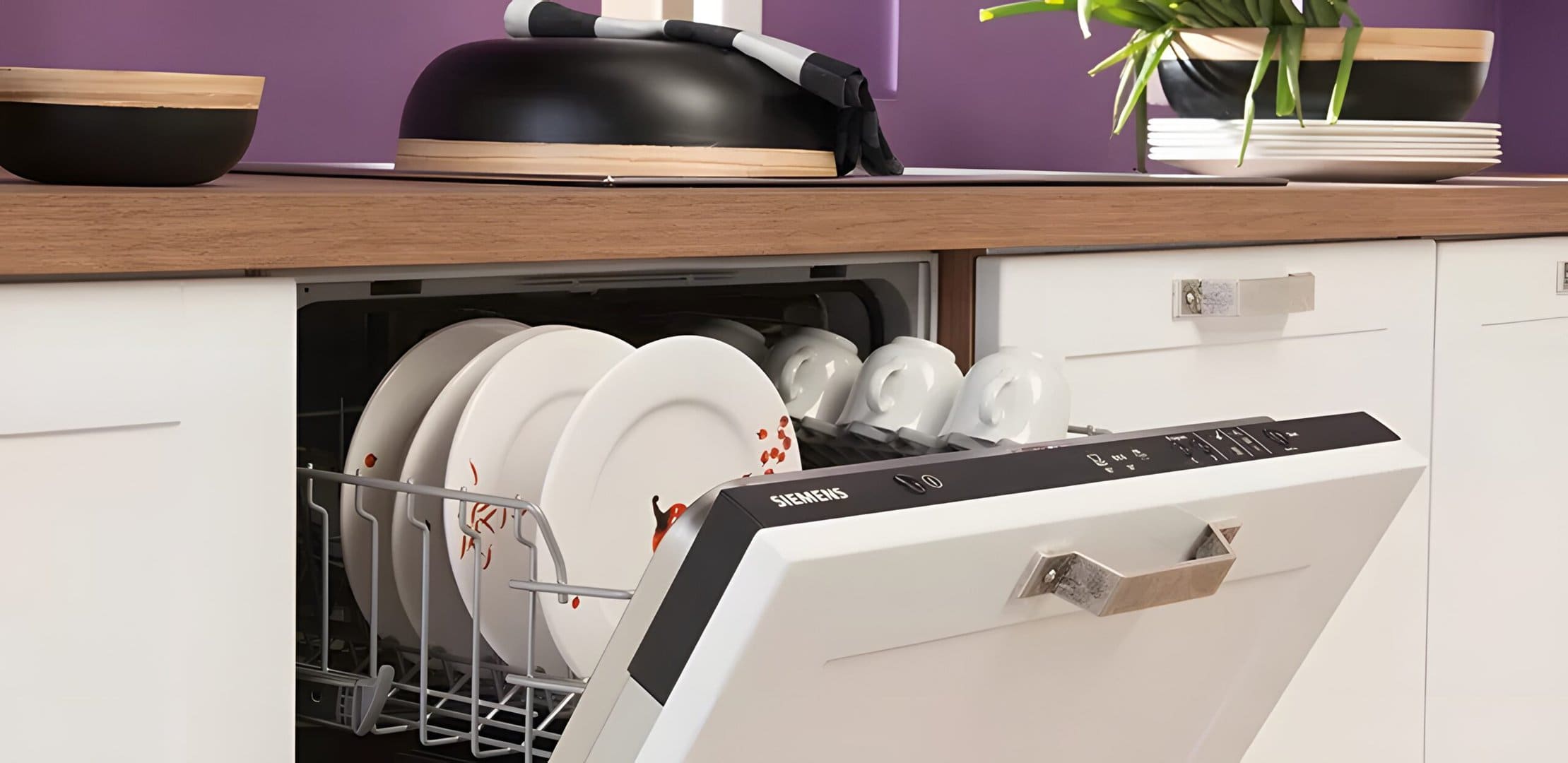
If you change one thing, change the fronts. Doors and drawer fronts are the largest visible surface in any kitchen, so swapping them transforms the room more than any other single update. The cabinet boxes behind them, the carcasses, do the structural work and almost never need replacing if they are sound. You are paying for the part you see, not the part you do not.
The savings are substantial. Replacing or refacing fronts rather than tearing out and rebuilding cabinets typically costs 30 to 70 percent less (Kitchen Cabinet Guys, 2025), and keeping the boxes while updating fronts and hardware is usually the single strongest choice for return on investment (Kitchen Cabinet Kings, 2026). It is the rare update that costs less and returns more at the same time.
This is where the choice of fronts becomes the whole project. Bauformat, built in Germany in the town of Lohne since 1917, offers its fronts across three collections so you can match the look you want to the budget you have. The Bauformat collection carries the widest choice of fronts, from handleless slabs to textured woodgrains and warm matte neutrals, the palette 96 percent of designers named as the dominant direction for the year ahead (NKBA 2026 Kitchen Trends Report). Baulux leans into a refined, design-forward feel, and Burger delivers the best value when the goal is a clean, current look without overspending. The fronts are measured, planned, and installed by the local Vancouver team, so the fit is exact rather than approximate.
Hardware Is the Smallest Change With the Biggest Reach
Hardware is the jewellery of a kitchen. New pulls and knobs cost very little, install in an afternoon, and shift the entire character of the room. If your current handles are small, dated, or mismatched, replacing them is the highest-impact dollar you can spend.
The current direction favours longer bar pulls, often in brushed nickel, matte black, or brushed gold, with fluted and mixed-metal options adding texture and depth (Sweeten, 2026). The trick is to let the hardware carry some personality while keeping the fronts calm, so the two work together rather than competing.
Hardware is not only about looks, though. The way a drawer glides and a door closes is what makes a kitchen feel well made every single day. Bauformat fits full-extension soft-close runners, so drawers pull all the way out and ease shut without a slam, and 3D-adjustable concealed hinges, which let the installer fine-tune every door to sit perfectly level even in an older home where nothing is quite square. That quiet, precise feel is the part of German engineering you notice long after the new colour stops surprising you.
Counters and Backsplash Set the Tone
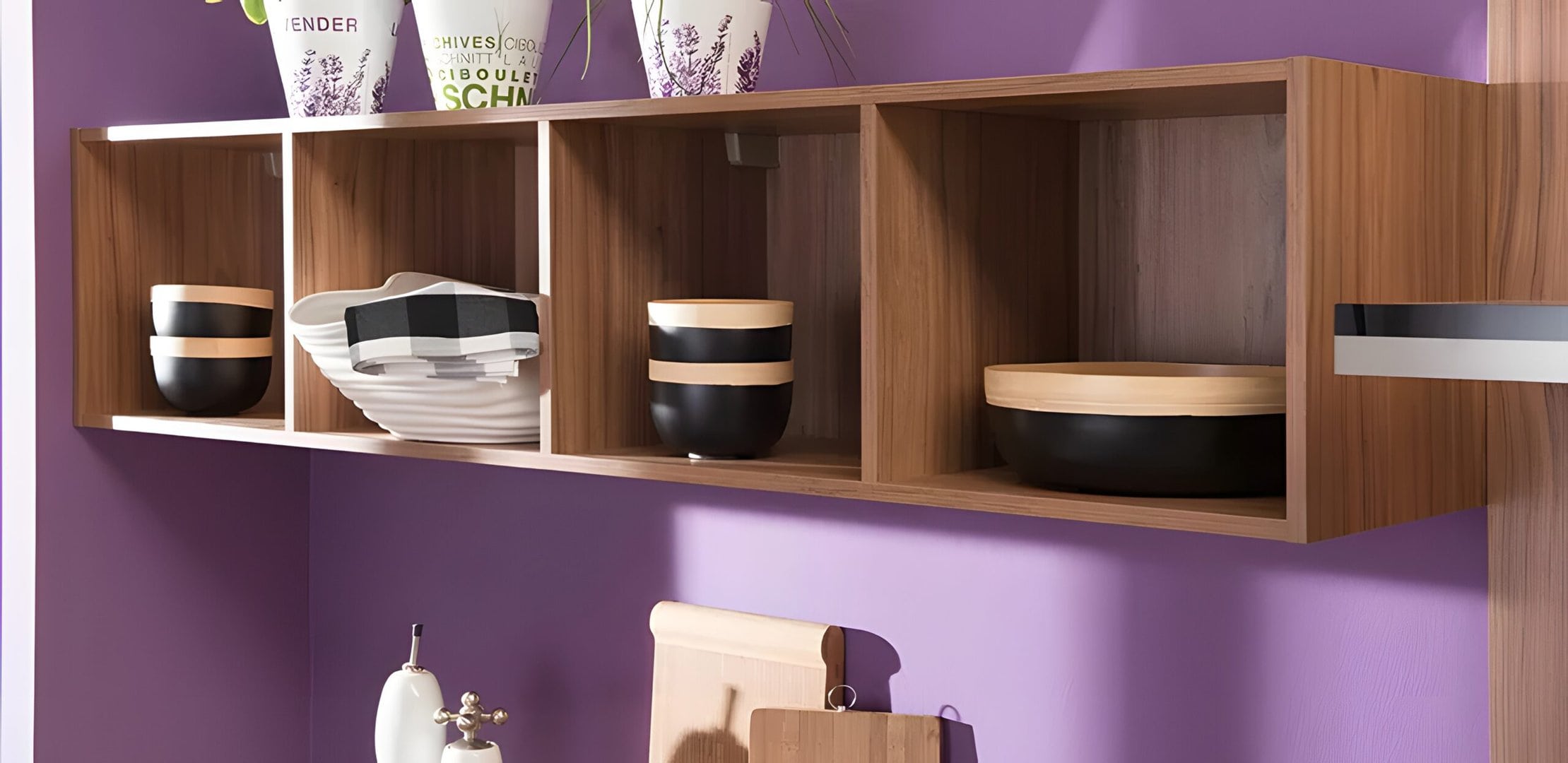
After the fronts, the countertop is the next surface your eye lands on. A new counter in stone or a durable engineered surface instantly modernizes a kitchen, and because you are replacing a top rather than relocating it, the work is straightforward. The plumbing stays put, the sink drops back into the same spot, and the cabinets underneath carry on as they were.
The backsplash is the counter’s natural partner. A fresh run of tile between the counter and the upper cabinets is a contained, affordable project that ties the new fronts and counter together. Because the area is small, you can choose a material with a little more interest, a handmade-look tile or a warm zellige, without the cost spiralling the way it would across a whole floor.
The pairing matters more than either piece alone. A simple counter with a characterful backsplash, or a bold counter with a quiet backsplash, reads as designed and intentional. Two busy surfaces fighting for attention rarely do. When you choose them together rather than separately, the kitchen looks composed instead of assembled.
Paint and Lighting Finish the Story
Paint is the most affordable update in the kitchen, and it does more than freshen the walls. The right wall colour pulls the new fronts, counter, and backsplash into one coherent scheme, and in Metro Vancouver, where grey skies are a fact of life for much of the year, a warmer neutral helps a kitchen feel bright even when the light outside is flat. If your kitchen has a small soffit or a feature wall, paint is a low-risk place to add a little depth.
Lighting is the update people most often skip and most often regret skipping. Swapping a single dated ceiling fixture for something current changes the room’s whole mood, and adding under-cabinet LED strips does more for the way a kitchen functions than almost anything else, lighting the counters where you actually work rather than casting your own shadow onto the cutting board. Both are modest jobs an electrician can handle quickly.
Layering matters here too. A kitchen lit by one overhead source feels flat and clinical. A kitchen with a ceiling fixture, under-cabinet light, and perhaps a pendant or two over an island feels warm and considered. Because these are finishing touches, they are also where a refresh earns its polish, the difference between a kitchen that looks updated and one that looks genuinely new.
Sequencing and Budget: What to Do First
The order you tackle a refresh in is not arbitrary, and getting it right keeps both the disruption and the spending under control. Start with the change that does the most, then work toward the finishing touches.
- Fronts first. New doors and drawer fronts are the foundation of the whole look, so settle this choice before anything else. Everything that follows is chosen to complement it.
- Hardware second. With the fronts decided, the right pulls and knobs follow naturally, and you can match metal and style to the new doors rather than guessing.
- Counters and backsplash third. These are the next most visible surfaces and the next biggest line item, so they come after the look is set but before the finishing work.
- Paint and lighting last. Paint goes on cleanest after the dustier work is done, and lighting is the final layer that ties the room together.
On budget, the honest approach is to decide what bothers you most and spend there. If the fronts are the problem, put the money into fronts and hardware and keep the existing counter another year. If the counter is the eyesore, lead with that. A refresh gives you that freedom because each piece stands on its own, which is exactly why it stays affordable. In a market where a full renovation averages around 45,000 dollars (Vancouver General Contractors, 2026), the ability to do the high-impact 60 percent and skip the rest is what makes the project achievable rather than aspirational.
Frequently Asked Questions
Will new doors and fronts really make the kitchen look new?
Yes, more than any other single change. Doors and drawer fronts are the largest visible surface in the room, so swapping them onto sound cabinet boxes reads as a new kitchen while costing 30 to 70 percent less than replacing the cabinets entirely (Kitchen Cabinet Guys, 2025). With a fresh counter and hardware alongside, most people cannot tell the boxes are original.
How long does a kitchen refresh take compared to a full renovation?
A refresh is measured in days, not months. Because you are changing surfaces rather than moving walls, plumbing, or wiring, there is no demolition or drywall repair to slow things down. A front swap, new hardware, a counter, and lighting can come together in a fraction of the time a gut renovation demands, and you keep using the kitchen through most of it.
Is a refresh a good investment if I plan to sell?
It is one of the best. A minor mid-range kitchen remodel returned about 113 percent of its cost at resale in 2025, the top interior project for return on investment, while a major upscale remodel recouped only 36 percent (2025 Cost vs. Value Report). Buyers respond to a kitchen that looks current, and a refresh delivers that look without the spend that erodes your return.
Can I keep my existing cabinets if they are older?
In most cases, yes. As long as the boxes are structurally sound and not water-damaged, they are a perfect base for new fronts and hardware. Bauformat’s 3D-adjustable concealed hinges are built to fine-tune each door to sit level, which is a real advantage in older Metro Vancouver homes where the cabinets and walls have settled over the years.
A kitchen does not need to be torn apart to feel new again. By focusing on the surfaces and details that shape how the room looks and works, a refresh delivers the transformation you are after without the months of upheaval or the budget that comes with a full renovation. In a region where every hour of skilled labour carries a premium, choosing the smart, low-disruption path is not a compromise. It is the most sensible way to fall in love with your kitchen all over again.
Explore more from Bauformat BC
- Budget-Friendly Guide to Achieving a Streamlined Kitchen Makeover
- How to Plan a Successful Kitchen Renovation in 2026
- Bauformat: Germany’s Elite Kitchen Cabinet Craftsmen
German cabinetry, planned and built for Metro Vancouver
The kitchen is one of the highest-return rooms in a home: the 2025 Cost vs. Value Report found a minor kitchen remodel recoups roughly 96% of its cost at resale. Choosing cabinetry that lasts is central to that return, which is where German engineering earns its place. Every Bauformat kitchen is manufactured in Germany, then measured, planned, and installed by our Vancouver team, built to fit your room to the millimetre.
See the Baulux, Bauformat, and Burger collections in person at our North Vancouver showroom at 1410 Marine Dr Unit 205, learn more about the manufacturer at bauformat.de, and meet our local team at The Bau Team.
Book a 30-minute consultation with our Metro Vancouver kitchen designers to plan a kitchen built to last.
